I’ve always been a bit of a spontaneous traveler. The idea of meticulously planning every single minute of a trip, booking every bus and every guesthouse weeks in advance, always felt a little… stifling. I like to wander, to let serendipity guide me, to follow a whisper of curiosity down a dusty road. And Ghana, oh Ghana, is the perfect place for such an approach. It’s a country that rewards exploration, that unfolds its treasures to those willing to be a little flexible, a little open-minded. So, for anyone like me, who prefers to embrace the thrill of the unplanned, here’s my guide to experiencing Ghana without a single booking.
Accra, the capital, can seem daunting at first. It’s a sprawling metropolis, a vibrant tapestry of sights, sounds, and smells. But fear not, my fellow free spirits! The real magic of Accra lies not in its pre-packaged attractions, but in the raw, pulsating energy of its everyday life. You can dive headfirst into this energy without a reservation in sight.
Discovering Local Markets
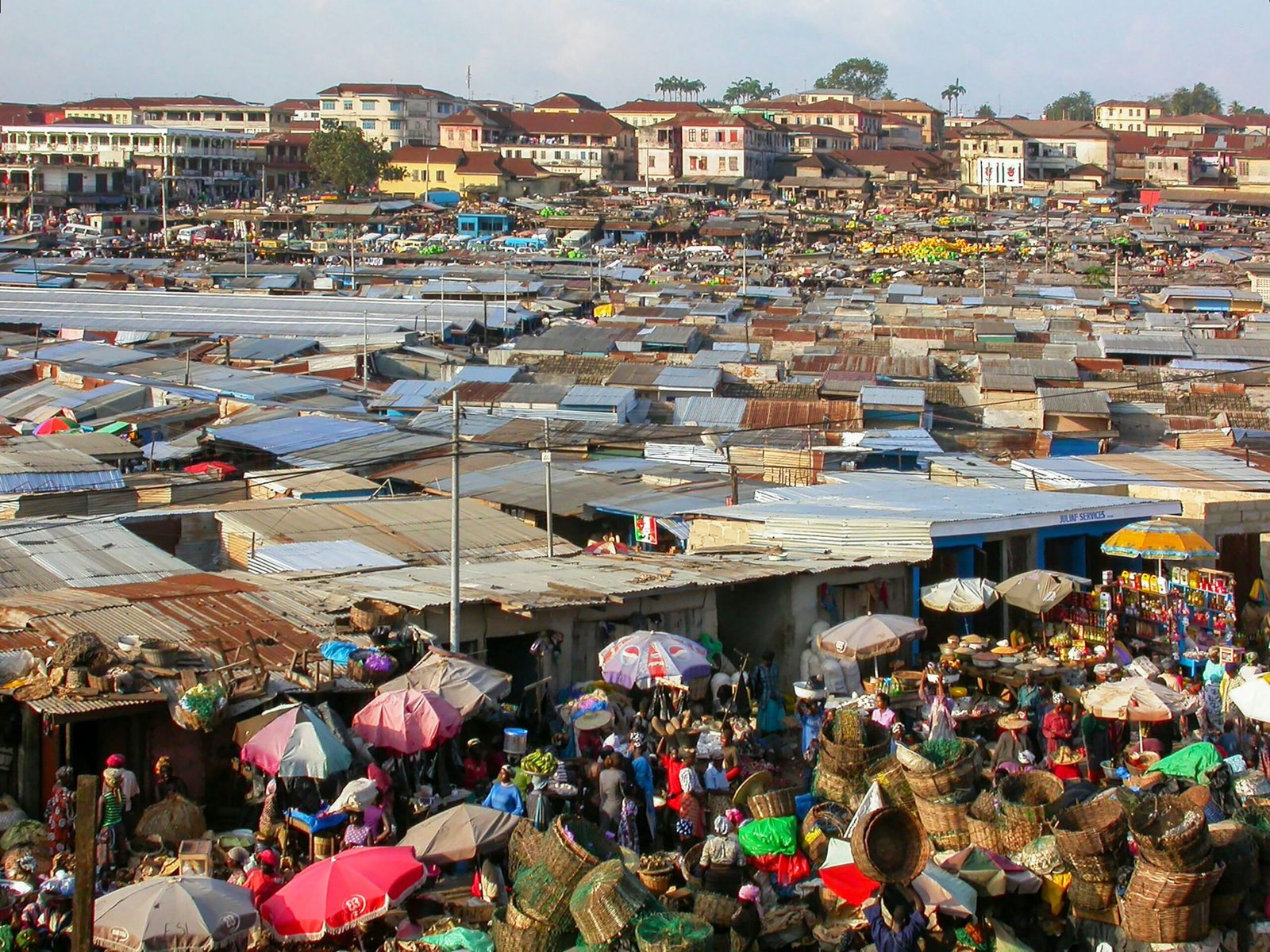
Forget sterile shopping malls. Accra’s markets are where the city truly comes alive. I always start with the Makola Market. It’s an assault on the senses in the most wonderful way. The sheer volume of goods, the cacophony of vendors calling out their wares, the kaleidoscope of colours from vibrant fabrics and mountains of fresh produce – it’s intoxicating. I’ll happily spend hours just weaving through the narrow aisles, observing the transactions, perhaps picking up a few colourful beads or some fragrant spices. There’s no need to book a guided tour here; just let your feet lead you. I often find myself captivated by the artisans selling intricate wooden carvings or the women skillfully arranging towering pyramids of plantains. Don’t be afraid to haggle – it’s part of the experience, a friendly dance of negotiation.
Then there’s the Arts Centre. While it does have stalls selling souvenirs, it’s also a hub for local artists. I’ve stumbled upon incredible painters and sculptors displaying their work, and had some truly engaging conversations with them about their creative process. Sometimes, just being present and showing genuine interest can open doors to impromptu demonstrations or even the chance to commission a small piece on the spot.
Soaking in the Atmosphere of Osu
Osu, particularly Oxford Street, is a testament to Accra’s evolving urban landscape. It’s a buzzing district, alive with restaurants, bars, and shops. While some establishments might benefit from a reservation on a busy Saturday night, I’ve always found a way to experience its charm without one. I love to simply walk the street, absorbing the atmosphere. The mix of modern boutiques and traditional Ghanaian clothing stores is fascinating. I’ll often grab a spontaneous street food snack – perhaps some irresistible fried plantain or a savory kelewele – from a roadside vendor. The sheer variety of cuisines available in Osu means you can almost always find a table, even if it’s not your first choice. It’s about embracing the ‘what’s available’ mentality. I once ended up at a tiny, unassuming place serving incredible jollof rice, simply because it was the first place that caught my eye.
Engaging with Street Art and Local Life
Accra is increasingly adorned with vibrant street art. I love wandering through different neighbourhoods, particularly Jamestown, and discovering these colourful murals. There’s no map for this kind of exploration; it’s purely about exploration. I’ll often strike up conversations with locals who are hanging out, sitting on stoops, or playing football in the street. Their insights into their community, their stories, and their recommendations for hidden gems are far more valuable than any guidebook. I’ve been invited for a cup of tea, shown secret alleyways adorned with art, and learned about the history of neighbourhoods I would have otherwise just passed through. This kind of unscripted interaction is the heart of spontaneous travel.
If you’re looking for budget-friendly activities while exploring Ghana, you might find the article on “Things to Do in Ghana Under $50” particularly helpful. This resource offers a variety of affordable options that allow you to experience the rich culture and stunning landscapes of the country without breaking the bank. For more information, check out the article here: Things to Do in Ghana Under $50.
The Timeless Allure of Cape Coast and Elmina
Heading west along the coast brings you to two historically significant towns: Cape Coast and Elmina. These places resonate with a profound and often somber history, but they also possess a captivating beauty and a resilient spirit that can be experienced without the need for advance bookings.
Exploring the Castles Independently
The Cape Coast Castle and Elmina Castle are UNESCO World Heritage sites, and for good reason. Their history as slave forts is deeply moving. While guided tours are available and highly recommended for historical context, I personally prefer to absorb the atmosphere at my own pace. I’ll purchase my entrance ticket at the gate and then wander through the courtyards, the dungeons, and the ramparts, letting my imagination fill in the historical gaps. The sheer scale of these structures and the weight of their past are palpable. Standing at the ‘Door of No Return’ in Elmina Castle is an experience that requires no booking, just introspection. I find that by allowing myself to simply be present, to touch the cold stone, to gaze out at the ocean, I connect with the history on a deeper, more personal level.
Wandering Through Fishing Villages
The fishing communities surrounding Cape Coast and Elmina are incredibly picturesque. Elmina Fishing Harbour is a riot of colour and activity, with brightly painted pirogues bobbing in the water and fishermen mending their nets. I can spend hours here, watching the daily rhythm of life unfold. There’s no need to book a fishing trip or a boat tour; simply being on the shore, observing the skilled men at work, and breathing in the salty air is an experience in itself. The fishermen are often happy to share a smile or a nod, and sometimes, if they’re not too busy, they’ll even explain their techniques. I’ve learned so much just by standing on the docks, observing.
In Cape Coast, the smaller fishing communities along the coastline offer a similar, albeit more tranquil, experience. I enjoy walking along the beach, watching the waves crash against the shore, and observing the local fishermen bringing in their catch. The simplicity and authenticity of these scenes are incredibly grounding.
Discovering Local Eateries
Both Cape Coast and Elmina offer a fantastic array of local eateries where you can enjoy fresh seafood and traditional Ghanaian dishes. I never book a table; instead, I’ll wander through the streets, looking for the busiest, most authentic-looking spots. The aroma of grilled fish and simmering stews often draws me in. I’ve discovered some of the most delicious meals by simply following my nose and my instincts. Whether it’s a roadside stall serving spicy grilled tilapia or a small restaurant offering fufu and groundnut soup, the culinary experiences are plentiful and readily accessible.
The Natural Wonders of Kakum National Park

Just a short journey from Cape Coast lies Kakum National Park, a haven of biodiversity. While some might book canopy walk tours in advance, experiencing the park’s natural beauty without reservations is entirely possible and deeply rewarding.
The Thrill of the Canopy Walkway
The Canopy Walkway is undoubtedly the main attraction, and yes, you can purchase your tickets on arrival. This suspended bridge system, high above the rainforest floor, offers a unique perspective on the park’s ecosystem. I love the thrill of walking across these swaying bridges, spotting exotic birds and monkeys in their natural habitat. There’s no need to rush; you can take your time, pausing to admire the views and listen to the symphony of the jungle. It’s an exhilarating experience that doesn’t require any advance planning. The park staff are usually very accommodating, and you can easily join a group or walk at your own pace once you’ve paid your entry fee.
Hiking the Forest Trails
Beyond the Canopy Walkway, Kakum National Park offers a network of well-maintained hiking trails. I enjoy lacing up my boots and exploring these paths independently. The trails lead you through dense rainforest, past ancient trees, and alongside fascinating flora and fauna. It’s a chance to immerse yourself in the tranquility of nature, to breathe in the fresh, humid air, and to disconnect from the outside world. I’ve encountered incredible insects, vibrant butterflies, and the occasional glimpse of larger mammals. The park rangers are often available to offer advice on the trails, and you can easily find maps at the entrance. It’s about enjoying the journey, the sounds of the forest, and the feeling of being truly surrounded by nature.
Encountering Local Communities
On the outskirts of the park, you’ll find small communities that often have strong ties to the forest. While organized tours might visit these villages, I prefer to seek them out on my own. A friendly conversation with a local vendor or a farmer can lead to insights into their way of life, their relationship with the environment, and perhaps even an invitation to share a cup of palm wine. These are the serendipitous encounters that make spontaneous travel so rich.
The Tranquility of the Volta Region

For a change of pace, I often venture inland to the Volta Region, a place of rolling hills, lush landscapes, and serene lakes. This region offers a different kind of Ghanaian experience, one that is inherently relaxed and doesn’t demand meticulous planning.
Discovering Wli Waterfalls
The Wli Waterfalls, often referred to as the ‘highest waterfall in West Africa,’ are a truly magnificent sight. You can easily access the falls by hiking from the nearby village. I enjoy the trek through the surrounding forests, often accompanied by a local guide who can point out interesting plants and wildlife. The approach itself is part of the experience, building anticipation for the dramatic reveal of the cascading water. Once there, you can swim in the cool, clear pool at the base of the falls, or simply sit and marvel at the power and beauty of nature. There’s no need to book a specific time slot; the falls are there, waiting to be discovered.
Exploring Lake Volta
Lake Volta, one of the largest man-made lakes in the world, offers a sense of vastness and tranquility. While organized boat trips are available, I often find immense pleasure in simply finding a quiet spot along the shore and watching the fishing boats glide across the water. I’ve also stumbled upon small villages where locals are happy to take you out on a smaller, more personal boat trip for a nominal fee, arranged on the spot. It’s about the spontaneous interaction and the shared appreciation for the serenity of the lake. The sunsets over Lake Volta are particularly spectacular and can be enjoyed from any vantage point without a booking.
Visiting Tafi Atome Monkey Sanctuary
The Tafi Atome Monkey Sanctuary is a unique place where you can interact with sacred Mona monkeys. While there’s an entrance fee and guides are available, the experience is largely unscripted. I enjoy walking through the village and the surrounding forest, observing these playful creatures in their natural habitat. The guides are knowledgeable and can offer insights, but the joy comes from the unhurried interactions and the surprising proximity you can achieve. It’s a delightful experience that doesn’t require extensive pre-planning.
If you’re planning a trip to Ghana and looking for exciting activities that don’t require advance bookings, you might find it helpful to explore budget-friendly accommodations as well. For insights on where to stay without breaking the bank, check out this article on best budget stays. It offers a variety of options that can enhance your travel experience while allowing you to enjoy all the spontaneous adventures Ghana has to offer.
The Cultural Tapestry of Kumasi
Kumasi, the capital of the Ashanti Region, is a city steeped in history and tradition. While the Manhyia Palace Museum might require an entrance fee, the essence of Kumasi can be experienced through its vibrant culture, which is readily accessible without bookings.
Immersing in Kejetia Market
Kejetia Market is often described as the largest open-air market in West Africa, and it truly lives up to its reputation. It’s an exhilarating, sprawling labyrinth of stalls selling everything imaginable. From textiles and crafts to electronics and household goods, it’s a microcosm of Ghanaian commerce. I love getting lost in its energy, observing the intricate trading networks, and soaking in the sheer buzz of activity. You can spend days here and still discover something new. The beauty of Kejetia is its accessibility; just walk in and let the market engulf you. I often find myself captivated by the fabric stalls, mesmerized by the intricate patterns and vibrant colours.
Experiencing Ashanti Culture at Local Events
The Ashanti people have a rich cultural heritage, and their traditions are often celebrated through local events and festivals. While major festivals like Homowo might require planning, smaller, more informal gatherings or traditional ceremonies can often be stumbled upon. I’ve learned to keep my ears open for drumming and dancing, or to ask locals about upcoming events. These spontaneous cultural immersions, witnessing traditional dances or hearing captivating storytelling, are incredibly enriching and require no prior booking. The warmth and hospitality of the Ashanti people mean that often, if you show genuine interest, you’ll be welcomed.
Exploring Traditional Craft Villages
The Ashanti Region is known for its skilled artisans, particularly in areas like Adinkra cloth printing and Kente weaving. While there are organized tours, I prefer to find these craft villages organically. A chat with a local in Kumasi might lead me to a small village where I can witness the intricate process of Kente weaving firsthand. I can observe the weavers at work, perhaps purchase a beautiful piece directly from them, and learn about the symbolism and history behind their craft. These encounters are far more meaningful when they arise from serendipity rather than a pre-booked itinerary.
Ghana, in my experience, is a country that invites you to shed your expectations and embrace the present moment. It’s a place where the most profound discoveries often come when you’re least expecting them, when you allow yourself the freedom to wander, to observe, and to simply be. So, pack your curiosity, leave your rigid itinerary behind, and prepare to be captivated by the spontaneous beauty of Ghana.
FAQs
What are some activities to do in Ghana without booking in advance?
Some activities to do in Ghana without booking in advance include visiting the Cape Coast Castle, exploring the Kakum National Park, shopping at local markets like Makola Market, and trying street food in Accra.
Can I visit the W.E.B. Du Bois Center in Ghana without booking in advance?
Yes, you can visit the W.E.B. Du Bois Center in Ghana without booking in advance. The center is open to visitors during regular operating hours.
Is it possible to take a walking tour of Jamestown in Accra without booking in advance?
Yes, it is possible to take a walking tour of Jamestown in Accra without booking in advance. There are local guides available in the area who can provide tours on a walk-in basis.
Are there any cultural festivals in Ghana that can be attended without booking in advance?
Yes, there are cultural festivals in Ghana such as the Homowo Festival and the Chale Wote Street Art Festival that can be attended without booking in advance. These festivals are open to the public and do not require advance reservations.
Can I explore the Mole National Park in Ghana without booking a safari in advance?
Yes, you can explore the Mole National Park in Ghana without booking a safari in advance. Visitors can pay the park entrance fee and hire a guide upon arrival to explore the park and spot wildlife.