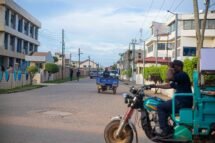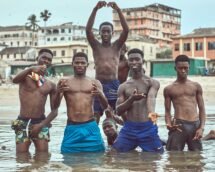

I’ve always been fascinated by Ghana. It’s a country that hums with history, vibrates with vibrant culture, and offers a natural beauty that’s often overlooked. My recent trip there was an eye-opener, a chance to delve deeper than the bustling capital of Accra and discover the incredible experiences that lie beyond its familiar embrace. While Accra is undoubtedly a fantastic starting point, it’s in the rest of Ghana that I truly found its soul. So, if you’re planning a visit, or even just dreaming of one, let me share some of the most unforgettable things I did that took me far beyond the city limits.
Ghana’s history is a profound and often somber one, particularly concerning the transatlantic slave trade. Visiting the historical sites dedicated to this period is an essential and deeply moving experience, offering a vital understanding of the nation’s past and its enduring impact. But Ghana’s history stretches back much further, encompassing powerful kingdoms and rich cultural traditions that are still very much alive.
Stepping Back in Time at Cape Coast Castle
Cape Coast Castle is a place that will forever be etched in my memory. As I walked through its imposing stone corridors, I felt the weight of centuries of history pressing down on me. This UNESCO World Heritage site was one of the largest slave castles built by Europeans in West Africa, and the stories it holds are both heartbreaking and incredibly important to hear.
The Door of No Return
Standing before the “Door of No Return” was a moment of profound silence. This is where enslaved Africans were forced onto ships, never to see their homeland again. The sheer scale of human suffering that occurred within these walls is almost incomprehensible. Our guide, with a voice full of respect and sorrow, recounted the brutal realities of enslavement, from the dungeons where men and women were held to the governor’s quarters, a stark contrast in luxury. Walking through the dungeons, the cramped conditions and lack of light were almost palpable, a chilling testament to the inhumanity of the trade.
The Museum and Beyond
Beyond the harrowing chambers, the castle also houses a museum that provides further context about the history of the Gold Coast and the slave trade. It’s a place for reflection and learning, offering a space to process the immense historical weight of the location. I spent hours just absorbing the information, trying to comprehend the complex narratives of resilience, resistance, and survival that are intertwined with this dark chapter. Visiting Cape Coast Castle is not just about witnessing history; it’s about bearing witness, about understanding the foundations of modern Ghana and its place in the global narrative.
Elmina Castle: A Mirror to the Past
Just a short distance from Cape Coast, Elmina Castle presents another poignant encounter with Ghana’s history. It’s the oldest European structure in sub-Saharan Africa, and its story is equally compelling. While Cape Coast Castle was primarily built by the British, Elmina Castle was originally constructed by the Portuguese.
The Oldest European Building South of the Sahara
Its age is immediately apparent, with its weathered ramparts and ancient architecture. Walking through Elmina, I felt a sense of the immense historical shifts that have taken place on this very spot. The castle has served many purposes over its centuries of existence, from a trading post for gold and ivory to, tragically, a holding point for enslaved Africans.
Contrasting Fortifications and Human Suffering
Like Cape Coast, Elmina’s layout is designed for defense, with cannons still pointing out towards the sea. Yet, within these formidable walls, the same devastating stories of human suffering unfolded. The dungeons here are equally unsettling, and the sheer density of people who were held within these spaces is overwhelming. I found myself contemplating the lives that were lived and lost here, the hopes and dreams that were extinguished. The juxtaposition of the impressive fortifications and the unimaginable human tragedy they witnessed is a powerful reminder of the complexities of history.
If you’re planning a trip to Ghana and looking for activities beyond the bustling capital of Accra, you might also be interested in exploring accommodations that enhance your travel experience. For instance, finding the perfect place to stay can significantly impact your journey. To discover some fantastic options, check out this article on top hotels near the Eiffel Tower, which, while focused on Paris, offers insights into selecting ideal lodging that can complement your adventures, whether in Ghana or elsewhere.
Immersing Myself in Nature’s Grandeur
Ghana’s natural beauty is a revelation. From dense rainforests to serene coastlines and volcanic landscapes, the country offers a diverse range of environments that are perfect for exploration and rejuvenation. Escaping the urban buzz and venturing into these natural wonders was a highlight of my trip.
The Canopy Walkway at Kakum National Park
Kakum National Park is a true ecological gem, and the star attraction for me was undoubtedly the Canopy Walkway. This incredible network of suspension bridges allows you to walk high above the rainforest floor, offering a unique perspective on the diverse flora and fauna that call this forest home.
Walking Among the Giants of the Forest
As I stepped onto the first bridge, my heart thumped with a mix of excitement and a healthy dose of trepidation. The bridges sway gently as you walk, and the sheer height can be dizzying, but the views are absolutely breathtaking. I was walking among the crowns of ancient trees, some of which are hundreds of years old. The dense canopy created a dappled light, and the air was thick with the scent of damp earth and vibrant foliage.
Spotting Wildlife from Above
The walkway provides an unparalleled opportunity to spot wildlife that might otherwise remain hidden. While I didn’t see any of the larger mammals, I was thrilled to observe various species of birds flitting through the trees, colourful butterflies dancing in the sunlight, and countless fascinating insects. Our guide pointed out medicinal plants and explained the intricate ecosystem of the rainforest. It’s an experience that connects you directly to the pulse of the forest, a truly awe-inspiring way to appreciate nature.
Exploring the Volta Region: A Landscape of Water and Wonder
The Volta Region, in eastern Ghana, feels like a different country altogether. It’s characterized by its rolling hills, lush vegetation, and spectacular waterfalls. It’s a region that invites exploration and promises moments of pure tranquility.
Wli Falls: Ghana’s Tallest Waterfall
Wli Falls, located near the Togo border, is a majestic sight. It’s the highest waterfall in Ghana, and the trek to reach it is part of the adventure. The path winds through the forest, and the increasing sound of rushing water builds anticipation.
The Hike to the Falls
The hike itself is relatively easy, but it’s the reward at the end that truly matters. As you round the final bend, the sheer force and beauty of Wli Falls are overwhelming. The water cascades down from a great height, creating a misty spray that cools the air and nourishes the surrounding vegetation. There’s a smaller upper falls, which is also beautiful, but the main falls are simply spectacular. I couldn’t resist dipping my feet into the refreshing pool at the base of the falls, a welcome respite from the tropical heat.
The Bat Colony
What makes Wli Falls even more unique is the large colony of fruit bats that reside in the caves behind the falls. While I didn’t see them during the day, our guide explained their presence and the fascinating role they play in the ecosystem. Visiting Wli Falls is an immersive experience in Ghana’s natural beauty, a place where the raw power of water meets the serenity of the rainforest.
Mount Afadja: Climbing Ghana’s Highest Peak
For the more adventurous, Mount Afadja (also known as Mount Aduada) offers a rewarding challenge. As the highest point in Ghana, the climb is not for the faint of heart, but the panoramic views from the summit are simply unparalleled.
The Trek to the Summit
The trek is steep and can be quite strenuous, especially in the heat. However, the experience is immensely satisfying, with the ever-changing landscape providing constant visual interest. Our guide was encouraging and knowledgeable, sharing insights into the local flora and fauna along the way. The higher we climbed, the more the landscape opened up, offering glimpses of the surrounding valleys and villages.
Unrivalled Views and a Sense of Accomplishment
Reaching the summit was an incredible feeling of accomplishment. The views stretched out in every direction, a vast expanse of green hills and distant plains. It was a moment of pure awe, a chance to truly appreciate the scale and beauty of Ghana’s landscape. Standing on the highest point in the country, I felt a profound connection to the land and its people.
Discovering Vibrant Cultural Hubs Beyond the Capital

Ghana is a country steeped in rich traditions and diverse ethnic groups, each with its own unique customs, art forms, and ways of life. Venturing beyond Accra allows for a deeper understanding and appreciation of this cultural mosaic.
The Ashanti Region: Heart of the Golden Kingdom
The Ashanti Region, with its capital in Kumasi, is central to Ghana’s history and culture, particularly the legacy of the mighty Ashanti Empire. It’s a region that embodies the spirit of Ghanaian tradition and craftsmanship.
Manhyia Palace Museum
The Manhyia Palace Museum in Kumasi offers a fascinating glimpse into the history of the Ashanti monarchy. The palace itself, the official residence of the Ashanti King, is a beautiful and architecturally significant building.
Royal Artifacts and Stories
Inside, the museum displays a wealth of royal artifacts, including traditional regalia, weaponry, and personal items of past Asantehenes. Our guide, with immense pride, recounted stories of the empire’s rise, its conflicts, and its enduring influence. It was a powerful way to understand the historical context of the region and the reverence still held for the Ashanti stool. The exhibits were meticulously curated, offering a tangible connection to the past.
The Village of Adanwomase: Kente Weaving
One of the most iconic symbols of Ghanaian culture is Kente cloth, a vibrant and intricately woven fabric with deep symbolic meaning. I had the incredible opportunity to visit the village of Adanwomase, renowned for its Kente weavers.
Witnessing the Art of Kente Creation
Here, I watched skilled artisans meticulously weave these beautiful textiles on traditional looms. The process is incredibly labor-intensive and requires immense precision and artistry. Seeing the threads transform into stunning patterns, each with its own significance, was mesmerizing. The weavers explained the meaning behind different colors and motifs, adding another layer of appreciation for this art form.
Hands-on Experience and Souvenirs
Some of the weavers even allowed me to try my hand at the loom, a humbling experience that highlighted the expertise required. I left Adanwomase with a newfound respect for Kente cloth and a beautiful piece to commemorate my visit, a tangible reminder of the skill and dedication of these artisans.
The Northern Savannah: A Different Rhythm of Life
Heading north reveals a landscape and culture distinctly different from the south. The vast savannah stretches out, dotted with traditional villages and a slower pace of life that is incredibly captivating.
Larabanga Mosque: An Architectural Gem
The Larabanga Mosque, located in the Savannah Region, is a testament to the enduring influence of Islam in Ghana. This ancient mud-brick mosque is one of the oldest in West Africa and possesses a unique architectural style.
Ancient Mud-Brick Architecture
Its construction, using traditional techniques of mud and straw, is a wonder to behold. The intricate geometric patterns and the imposing minaret stand out against the vast savannah landscape. Our guide explained the history of the mosque, its spiritual significance to the local community, and the ongoing efforts to preserve its unique structure. The building itself feels alive with history.
A Spiritual Oasis
Visiting Larabanga felt like stepping back in time. The serenity of the place, coupled with its historical importance, created a deeply spiritual atmosphere. It’s a place of quiet contemplation and a beautiful example of indigenous architectural ingenuity.
Mole National Park: Wildlife Encounters
For wildlife enthusiasts, Mole National Park offers the chance to see some of Ghana’s most iconic animals in their natural habitat. It’s the largest wildlife reserve in the country and a crucial area for conservation.
Safari Adventures
Embarking on a safari drive through Mole was an exhilarating experience. We spotted herds of elephants, baboons, antelopes, and a variety of bird species. The guides are incredibly knowledgeable about the park’s ecosystem and the behaviour of the animals, making the experience both educational and exciting.
Walking Safaris and River Exploration
Beyond the vehicle safaris, Mole also offers guided walking safaris, which allow for a more intimate encounter with the bush. We also took a boat trip on the Mole River, offering a different perspective on the park and the opportunity to see aquatic life. The vastness of the park and the abundance of wildlife were truly impressive, a stark contrast to the urban environments I had left behind.
Experiencing Coastal Charm and Maritime History

While Accra has its own coastline, the beaches and fishing communities further along the coast offer a different, more relaxed, and historically significant experience. The Atlantic coast of Ghana holds stories of trade, migration, and the rhythms of daily life tied to the ocean.
Busua Beach: Relaxation and Surfing
Busua Beach, in the Western Region, is a popular spot for both relaxation and water sports. It’s a beautiful stretch of golden sand, lined with palm trees, and known for its laid-back atmosphere.
Sun, Sand, and Serenity
The waves here are perfect for beginner surfers, and I even managed to catch a few short rides with the help of a local instructor. Even if surfing isn’t your thing, Busua is an ideal place to unwind, soak up the sun, and enjoy the sound of the waves. The vibe is infectious – people are friendly, and the pace of life is wonderfully slow.
Local Fishing Villages and Cuisine
Exploring the nearby fishing villages offered a glimpse into the daily lives of the local community. The fresh seafood is exceptional, and I enjoyed some of the most delicious grilled fish I’ve ever tasted, often caught that very morning. The beach bars offer a perfect spot to watch the sunset with a refreshing drink in hand.
Fort William and the Ankasa Nature Reserve
Further west, the area around Dixcove and Ankasa offers a blend of historical intrigue and pristine natural beauty. Fort William, a less-visited but historically significant fort, provides a quiet contemplation of Ghana’s maritime past.
Whispers of the Past at Fort William
Fort William, perched on a hill overlooking the sea, offers a more intimate historical experience than the larger castles. It was built by the British and served as a lookout point and a defense against potential attacks. Walking its ramparts, I could almost hear the echoes of soldiers and traders from centuries past. The views from the fort are spectacular, stretching out across the ocean and the coastline.
The Untamed Beauty of Ankasa Nature Reserve
Nearby, Ankasa Nature Reserve is a haven for biodiversity, a lush rainforest that meets the sea. It’s a protected area where you can explore diverse ecosystems, from dense jungle to coastal mangroves.
Hiking Through Pristine Rainforest
Hiking through Ankasa is an immersive experience in nature. The trails wind through ancient trees, past vibrant flora, and offer opportunities to spot various bird species and other wildlife. The air is fresh and humid, and the sounds of the forest are all around you.
Coastal Walks and Unique Ecosystems
The reserve also offers coastal walks, where the rainforest dramatically meets the ocean. This unique intersection of environments creates a special habitat for a variety of species. It’s a place of raw, untamed beauty, a perfect escape for those seeking a deeper connection with Ghana’s natural wonders.
If you’re planning your trip to Ghana, exploring activities beyond Accra can truly enrich your experience. While you may find a variety of attractions in the capital, discovering the hidden gems in other regions is equally rewarding. For instance, you might want to consider your accommodation options to enhance your stay, and you can find some great suggestions in this article about the best cheap hotels in Ghana. From the stunning landscapes of the Volta Region to the historical sites in Cape Coast, there’s so much to see and do that will make your visit unforgettable.
Embracing the Rhythms of Ghanaian Life
Beyond the specific attractions, what truly enriches a journey through Ghana is the opportunity to engage with its people and embrace its vibrant daily life. This involves more than just sightseeing; it’s about participating, observing, and learning.
Experiencing Local Markets
Markets are the beating heart of any Ghanaian town or city. They are not just places to buy goods; they are vibrant social hubs, a sensory overload of colours, sounds, and smells.
The Sensory Symphony of a Ghanaian Market
From the bustling Makola Market in Accra to smaller, more regional markets, each one offers a unique experience. I loved navigating the narrow aisles, surrounded by piles of colourful fabrics, fresh produce, aromatic spices, and an endless array of everyday items. The friendly banter of the vendors, the calls to action, and the sheer energy of the place are intoxicating.
Haggling and Culinary Discoveries
Haggling is part of the fun, a respectful dance between buyer and seller. It’s also in the markets that I discovered incredible street food – spicy kelewele (fried plantain), aromatic waakye (rice and beans), and refreshing local juices. These culinary encounters are as much a part of the cultural experience as visiting a historical site.
Engaging with Local Communities
The warmth and hospitality of the Ghanaian people are legendary, and making an effort to connect with local communities outside of the tourist hubs offers invaluable insights.
Learning from Artisans and Craftsmen
Beyond the Kente weavers, I sought out opportunities to learn from other artisans – potters, wood carvers, and bead makers. Their skills, passed down through generations, are a testament to the enduring cultural heritage of Ghana. Participating in a workshop or simply observing their craft provides a deeper appreciation for their artistry.
Sharing Meals and Stories
The most memorable moments often come from informal interactions. Sharing a meal with a local family, attending a community event (if invited), or simply striking up conversations with people on the street allows for a genuine understanding of their lives, their joys, and their challenges. These exchanges are the true souvenirs of a journey through Ghana.
Witnessing Traditional Festivals and Ceremonies
Ghana is rich in traditional festivals, often tied to harvest seasons, religious observances, or historical commemorations. If your timing allows, witnessing one of these vibrant events is an unforgettable experience.
A Celebration of Culture and Community
These festivals are a riot of colour, music, and dance. Elaborate costumes, traditional drumming, and spirited performances showcase the diverse cultural heritage of different ethnic groups. They are deeply communal affairs, bringing together families and communities to celebrate their traditions and their shared identity.
Respectful Observation and Participation
Attending a festival requires sensitivity and respect. It’s important to understand the customs and to ask permission before taking photographs. If opportunities arise to participate respectfully, whether through dancing or sharing food, seize them. These celebrations offer a profound insight into the living traditions of Ghana, a testament to their enduring vitality.
My journey through Ghana, beyond the vibrant energy of Accra, was an exploration of history, nature, and culture that left an indelible mark on me. From the somber halls of slave castles to the breathtaking heights of rainforest canopies and the rhythmic pulse of traditional villages, Ghana offers a world of experiences waiting to be discovered. It’s a country that invites you to slow down, to connect, and to be utterly captivated by its enduring spirit. I left with a heart full of memories and a deep longing to return.
FAQs
1. What are some popular activities to do in Ghana beyond Accra?
Some popular activities to do in Ghana beyond Accra include visiting the Cape Coast Castle, exploring the Kakum National Park, and experiencing the vibrant culture in Kumasi.
2. What are some historical sites to visit in Ghana?
Some historical sites to visit in Ghana include the Cape Coast Castle, Elmina Castle, and the W.E.B. Du Bois Center in Accra.
3. What are some outdoor activities to enjoy in Ghana?
Some outdoor activities to enjoy in Ghana include hiking in the Tafi Atome Monkey Sanctuary, exploring the Mole National Park, and relaxing on the beaches of Busua and Kokrobite.
4. What cultural experiences can be found in Ghana?
Ghana offers a variety of cultural experiences such as visiting the Ashanti Kingdom in Kumasi, attending traditional festivals like the Homowo festival, and exploring the craft villages in the Ashanti region.
5. What are some unique experiences to have in Ghana?
Some unique experiences to have in Ghana include taking a canopy walk in the Kakum National Park, visiting the Paga Crocodile Pond, and exploring the Larabanga Mosque, one of the oldest mosques in West Africa.