
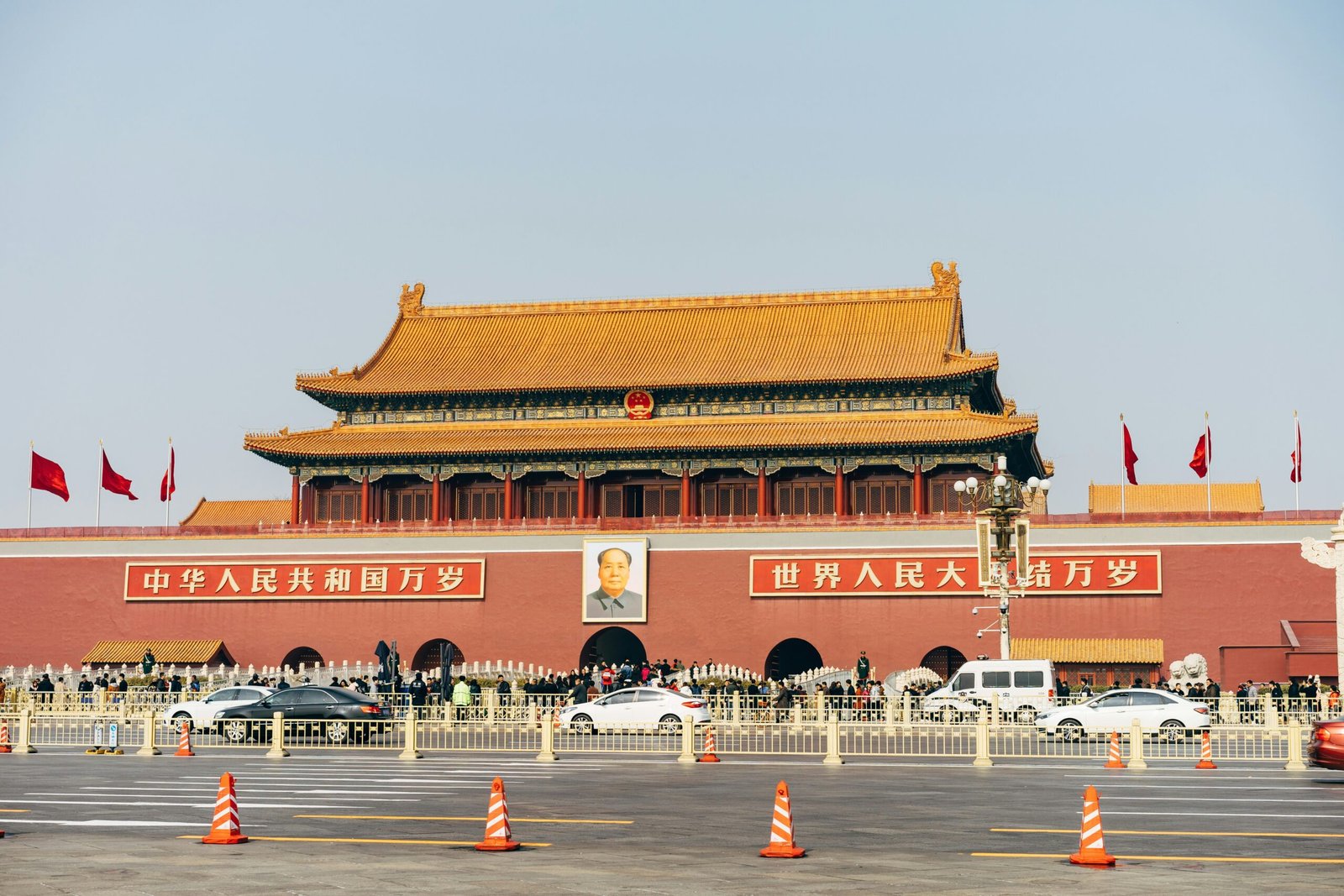
Many people dream of experiencing China’s rich culture and vibrant cities, but the perceived cost can often be a barrier. The good news is that living in China on a budget is not only possible but can be a surprisingly comfortable and enriching experience if you know a few key strategies. The core idea is to embrace local living, make smart choices about accommodation and food, and be mindful of your transportation and entertainment expenses. It’s less about extreme deprivation and more about intelligent decision-making that allows you to stretch your yuan further without sacrificing the quality of your stay.
Smart Accommodation Choices
Your biggest expenditure in China will likely be accommodation, so making savvy choices here is crucial for budget living. Avoiding Western-style hotels and opting for more local options can save you a significant amount.
Choosing Your City Wisely
Not all cities are created equal when it comes to cost of living. Tier 1 cities like Beijing, Shanghai, Shenzhen, and Guangzhou will naturally have higher rents. If your work or studies don’t strictly require you to be in these hubs, consider Tier 2 or even Tier 3 cities.
- Tier 2 Cities: Think Chengdu, Hangzhou, Nanjing, Xi’an, Chongqing. These cities offer a great balance of modern amenities, cultural experiences, and significantly lower living costs, especially for rent. You’ll still find plenty of opportunities and a good quality of life.
- Tier 3 Cities and Beyond: While less common for expats, these cities offer the absolute lowest costs. However, they might come with fewer English speakers, a narrower range of international amenities, and potentially fewer job opportunities for foreigners. This option is best if you’re comfortable with a deeper immersion experience and have a specific reason to be there.
Long-Term vs. Short-Term Stays
Booking short-term accommodation, especially through international platforms, is almost always more expensive. For budget travel, aim for longer stays.
- Monthly Rentals: Once you’re settled for a few weeks, look into renting an apartment on a monthly basis. This can drastically cut down your costs compared to daily hotel rates.
- Hostels and Guesthouses: For initial weeks or shorter stints, hostels with private rooms or local guesthouses offer a good balance of affordability and comfort. Look for places with communal kitchens to save on food costs.
Finding Affordable Apartments
The apartment hunt in China can be a bit different from what you might be used to. Direct rentals are usually the most budget-friendly.
- Local Rental Agencies: These agencies, often found in storefronts around residential areas, will have the most comprehensive listings for local apartments. Be prepared for a language barrier; bringing a Chinese-speaking friend or using translation apps is essential. They usually charge a one-time commission, typically half a month’s rent.
- Online Platforms: Apps like Ziroom (自如) or Lianjia (链家) are popular for finding apartments, especially in larger cities. They are mostly in Chinese but offer a wide selection. For a more expat-friendly option, look at Facebook groups for expats in your target city, where people often post available rooms or apartments.
- University Bulletin Boards: If you’re a student or near a university, check their physical bulletin boards. Many students and local landlords post rental ads there.
- Roommates: Sharing an apartment is by far the most effective way to cut down on housing costs. Look for roommate listings on expat forums, WeChat groups, or university housing services. You can often find decent rooms in good locations for a fraction of the cost of renting an entire place yourself.
Understanding Rental Contracts
Chinese rental contracts typically require a deposit (usually one or two months’ rent) and rent paid quarterly or bi-annually, not just monthly. Factor this initial outlay into your budget. Ensure you understand the terms regarding utilities, which are usually extra.
If you’re looking for more tips on traveling affordably, you might find the article on smart travel tips particularly useful. It provides a wealth of information on how to save money while exploring various destinations, including practical advice on budgeting and finding the best deals. You can read it here: Smart Travel Tips.
Savvy Food and Drink Strategies

Eating well in China doesn’t have to break the bank. In fact, it’s one of the best places in the world to eat delicious and affordable food. The key is to embrace local dining habits.
Embrace Street Food and Local Eateries
This is where China truly shines for budget travelers. Street food is not only incredibly cheap but also a fantastic way to experience local culture and flavors.
- Breakfast Stands: Around 6-9 AM, you’ll find countless street vendors selling Jianbing (savory crepes), baozi (steamed buns), youtiao (fried dough sticks), and soy milk for just a few yuan.
- Noodle Shops and Dumpling Houses: These small, family-run establishments are ubiquitous. A hearty bowl of noodles or a plate of dumplings can cost as little as 10-20 RMB. Look for places packed with locals – that’s usually a good sign of quality and authenticity.
- “Cai Fan” (Dish Rice) Restaurants: These buffet-style restaurants are incredibly common and offer a huge variety of dishes. You choose your dishes, and they are served with rice. A full meal can often be had for 15-30 RMB.
- Beware of Tourist Traps: In major tourist areas, prices can be inflated. Venture a few blocks away from main attractions to find more authentic and affordable options.
Cook Your Own Meals
While eating out is cheap, cooking your own meals will always be the most budget-friendly option, especially for dinner.
- Local Wet Markets (Nongmao Shichang): These are the heart of local food shopping. You’ll find fresh vegetables, fruits, meats, and seafood at incredibly low prices. Don’t be afraid to haggle a little, especially if buying in bulk. It’s a vibrant experience in itself.
- Supermarkets: Large supermarkets like Carrefour, Walmart, RT-Mart, and local chains like Hema Fresh (盒马鲜生) offer a wide range of products. They are generally more expensive than wet markets for fresh produce but are convenient for packaged goods and international items.
- Online Grocery Delivery: Apps like Hema Fresh, JD.com (京东), or Taobao (淘宝) allow you to order groceries for delivery, often within an hour or two. This can be convenient, especially if you’re buying heavier items.
- Stick to Local Ingredients: Imported goods will always be more expensive. Embrace the local produce, which is not only cheaper but also often fresher and more seasonal.
Drink Smart
Beverages can add up quickly. Be mindful of your choices.
- Water: Tap water is generally not safe to drink directly. Buy large bottles of filtered water (around 5-10 RMB for 5 liters) or invest in a water filter for your apartment. Many local communities also have water refill stations where you can get clean water for a small fee.
- Tea: China is the home of tea, and it’s incredibly affordable. Buy loose-leaf tea from local shops for a fraction of the price of coffee or sodas.
- Alcohol: Imported alcohol is expensive. If you enjoy a drink, stick to local beers (like Tsingtao or Snow), which are widely available and very cheap, especially in smaller shops or supermarkets. Local Baijiu (白酒) is also an option, but its strong flavor isn’t for everyone.
Frugal Transportation Methods

Getting around China can be very affordable if you avoid taxis for long distances and embrace public transport.
Public Transportation Dominates
China’s public transportation networks in cities are incredibly efficient, extensive, and budget-friendly.
- Subway/Metro: Most major cities have excellent subway systems. Fares are usually distance-based, starting from around 2-3 RMB and rarely exceeding 10 RMB for a long journey within the city. Purchase a transit card (like a Yikatong in Beijing or Shanghai Public Transportation Card) for convenience and sometimes minor discounts.
- Buses: Even cheaper than the subway, buses are often 1-2 RMB per ride, regardless of distance. They can be slower due to traffic and might require more local language skills to navigate routes, but they offer a great way to see the city.
- Electric Scooters and Bicycles: For shorter distances, these are fantastic. Many cities have extensive bike-sharing systems (like Mobike or Hellobike) where you can rent a bike for just a few yuan an hour or a few yuan for the whole day via an app. Electric scooters are also very popular among locals; you can rent these or even consider buying a second-hand one if staying long-term.
Ride-Sharing and Taxis
While not the absolute cheapest, ride-sharing apps offer convenience and transparency.
- Didi Chuxing (滴滴出行): This is China’s dominant ride-sharing app, similar to Uber. It offers various service levels, from shared rides (Didi Express, which is very cheap) to private cars. It’s significantly cheaper than traditional taxis, especially for longer distances, and often offers discounts. The app has an English interface.
- Taxis: Traditional taxis are still available but generally more expensive than Didi. Make sure the meter is used, and have your destination written in Chinese or use a translation app to communicate with the driver.
Long-Distance Travel
For inter-city travel, plan ahead to save.
- High-Speed Rail (G-trains and D-trains): China’s high-speed rail network is world-class. It’s fast, efficient, and comfortable. While not the cheapest option, it’s often faster and more pleasant than flying for many routes. Book in advance via apps like Trip.com or the official 12306 website (requires a Chinese ID for direct booking, so third-party sites are often easier for foreigners).
- Slower Trains (K-trains, T-trains): For really tight budgets and if time isn’t an issue, slower “hard seat” or “hard sleeper” trains are significantly cheaper than high-speed rail. This offers a more “local” travel experience.
- Buses: Long-distance buses are the cheapest way to travel between cities, especially for shorter routes not covered by high-speed rail. They can be less comfortable and slower but are very economical.
Smart Entertainment and Leisure
You don’t need to spend a fortune to have a good time in China. Many of the best experiences are free or very low cost.
Free and Low-Cost Activities
Embrace local culture and natural beauty.
- Parks and Public Gardens: Chinese cities are filled with beautiful parks, often with free entry. These are vibrant hubs where you can see locals practicing Tai Chi, dancing, playing cards, singing, or simply relaxing. It’s a fantastic way to people-watch and soak in the local atmosphere.
- Hiking and Nature: Many cities are close to mountains or scenic areas that offer free or low-cost hiking trails. Explore local natural parks or go for a walk along rivers or lakes.
- Museums and Galleries: Many national and provincial museums in China offer free entry (sometimes requiring an advance booking online with your passport). Take advantage of these to learn about China’s rich history and culture. Smaller, private galleries might charge a small fee.
- Temple Visits: While some famous temples charge an entrance fee, many smaller, local temples are free to enter. They offer a peaceful retreat and a glimpse into local religious practices.
- People Watching and Strolling: Simply walking through different neighborhoods, observing daily life, and absorbing the sights and sounds of a Chinese city is a captivating and free activity. Explore local markets, back alleys, and bustling squares.
- Free Cultural Events: Keep an eye out for free concerts, exhibitions, or traditional performances advertised locally or on expat WeChat groups.
Affordable Entertainment
When you do decide to spend a little, choose wisely.
- Local KTV (Karaoke): KTV is a huge part of Chinese social life. Instead of going to expensive, flashy KTVs, find local, smaller ones, especially during off-peak hours (daytime), for much cheaper rates. Go with a group to split the cost.
- Cinema: Movie tickets in China are generally affordable, especially for local films or during discounted days/times. Look for student discounts if applicable.
- Local Bars/Restaurants with Deals: Instead of expensive expat bars, explore local establishments. Many places offer happy hour deals on drinks or set menus for lunch/dinner.
- Street Food Crawls: Make an evening out of trying different street food stalls. It’s a fun, delicious, and incredibly cheap way to enjoy the city.
- Learning a New Skill: Consider taking a short-term, affordable class in Chinese calligraphy, cooking, or a traditional craft. Many community centers or smaller schools offer these at reasonable prices.
If you’re planning an affordable trip to China, you might also be interested in exploring budget-friendly activities in other countries. For instance, a great resource is an article that highlights various things to do in Ghana for under $50, which can provide inspiration for your travels. You can check it out here. This can help you discover how to enjoy your adventures without breaking the bank, whether you’re in China or elsewhere.
Smart Financial Habits and Mindset
Budget living is as much about a mindset as it is about specific actions. Adopting smart financial habits will ensure your yuan goes further.
Track Your Spending
This is fundamental to any budget. You can’t manage what you don’t track.
- Use Budgeting Apps: There are many free apps available that allow you to log your expenses. This will give you a clear picture of where your money is going and help you identify areas where you can cut back.
- Keep a Journal: A simple notebook and pen can be just as effective. Jot down every expense, no matter how small.
- Review Regularly: Set aside time each week to review your spending. Are you sticking to your budget? Where can you improve?
Embrace Local Payment Methods
Cash is becoming increasingly obsolete in China. Adopting local payment methods is essential for convenience and often offers discounts.
- WeChat Pay (微信支付) and Alipay (支付宝): These are the dominant mobile payment platforms. You can link your foreign bank card to them (though functionality might be limited for some foreign cards compared to Chinese ones) or connect them to a Chinese bank account once opened. Many street vendors and small shops only accept these, and they often offer small discounts or red packet promotions.
- Chinese Bank Account: If you’re staying long-term, opening a Chinese bank account is highly recommended. This makes it much easier to use WeChat Pay and Alipay fully and simplifies receiving payments if you’re working. You’ll typically need your passport, visa, and a local phone number.
Avoid Unnecessary Expenses
Little things add up quickly. Be mindful of common money traps.
- International Roaming: Avoid using your home country’s international roaming. Buy a local SIM card (China Mobile, China Unicom, China Telecom) as soon as you arrive. Data plans are very affordable.
- Imported Goods: As mentioned before, imported food, toiletries, and clothing are often significantly more expensive than local alternatives. Opt for local brands whenever possible.
- Shopping for Souvenirs: While tempting, souvenirs can quickly eat into your budget. If you want mementos, look for small, locally made items in markets rather than expensive tourist shops. Consider experiences over physical goods.
- ATM Fees: If you’re relying on your foreign debit/credit card, be aware of ATM withdrawal fees from both your bank and the Chinese bank. Plan your withdrawals to minimize fees. Some foreign banks offer cards with no international ATM fees.
- Subscription Services: Review any recurring subscription services from back home (streaming, apps) and cancel any you won’t be using or can’t access in China.
Take Advantage of Discounts and Deals
Always be on the lookout for ways to save a few yuan.
- Student Discounts: If you’re a student, always ask about student discounts for attractions, museums, and transportation. Carry your student ID.
- Group Deals: Many apps and platforms offer group deals (团购) for restaurants, activities, and services. Check apps like Meituan (美团) or Dianping (大众点评).
- Off-Peak Times: Visiting attractions during off-peak hours or seasons can sometimes offer lower prices and always means fewer crowds.
- WeChat Groups: Join local expat WeChat groups. People often share information about deals, free events, and affordable local services.
Staying in China on a budget is an achievable and incredibly rewarding experience. It’s about being intentional with your choices, embracing local culture, and making smart financial decisions. By focusing on affordable accommodation, enjoying the vast array of delicious and cheap local food, utilizing efficient public transportation, and seeking out free or low-cost entertainment, you can immerse yourself in all that China has to offer without breaking the bank. It’s an opportunity to live authentically, learn about a new culture, and create lasting memories, all while being financially savvy.