

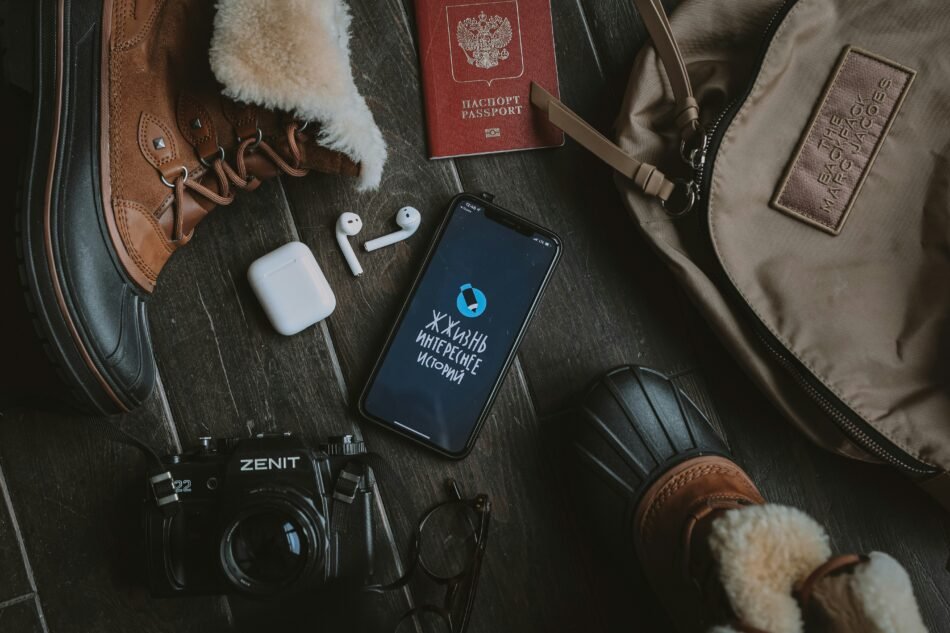
Traveling smart doesn’t mean you need to be a tech wizard or have a bottomless budget. It’s really about making informed choices and planning ahead, so you can enjoy your trip without unnecessary stress or expense. The core idea is to maximize your experience while minimizing potential headaches.
The Foundation of Smart Travel
Before diving into specifics, let’s get one thing clear: smart travel is a mindset. It’s about being proactive, adaptable, and a little bit strategic. It’s not about rigid itineraries, but about having a solid framework that allows for spontaneity. Think of it as building a good, sturdy house; you need a strong foundation before you start decorating. This approach helps you avoid common pitfalls and makes your adventures smoother, whether you’re backpacking through Southeast Asia or taking a weekend city break.
A well-planned trip starts long before you pack your first suitcase. Getting these initial steps right can save you a whole lot of hassle down the line.
Research, Research, Research
This might seem obvious, but it’s often overlooked or done superficially. Really dig into your destination.
Understanding Local Customs and Etiquette
Knowing a few basic courtesies can go a long way. For example, in some cultures, it’s considered rude to point with your index finger, while in others, a simple “please” and “thank you” in the local language can open doors. Are there specific dress codes for religious sites? Is tipping expected, and if so, what’s the norm? A quick search can prevent awkward situations and show respect for your hosts.
Navigating Local Transportation
How will you get around? Are there reliable public transport options like buses, trains, or subways? Are ride-sharing apps prevalent and safe? Or is renting a car the most practical option? Look up typical costs and travel times. This helps you budget and plan your daily excursions more effectively.
Local Scams and Safety Concerns
Every tourist destination has its share of common scams. Knowing what to look out for, like inflated taxi fares, fake tour guides, or pickpocketing hotspots, can help you stay safe and keep your money. Check government travel advisories for any specific safety concerns in your chosen area.
Smart Booking Strategies
Booking flights and accommodation can feel like a game of chance, but there are ways to play it smarter.
Flex Your Dates and Times
If your schedule allows, being flexible with your travel dates can lead to significant savings on flights and hotels. Mid-week flights are often cheaper than weekend ones, and traveling during the shoulder season (just before or after peak season) can offer better deals and fewer crowds. Consider using flight comparison websites that have “flexible date” options to see a range of prices.
Loyalty Programs and Rewards
If you travel frequently, signing up for airline and hotel loyalty programs can pay off. Accumulating points can lead to free flights, upgrades, or discounted stays. Even if you’re not a frequent flyer, some credit cards offer substantial sign-up bonuses that can be redeemed for travel. Just make sure you understand the terms and conditions.
Direct vs. Third-Party Bookings
While third-party sites can offer good deals, sometimes booking directly with the airline or hotel can provide more flexibility in case of changes or cancellations. Plus, direct bookings often make it easier to deal with customer service if something goes wrong. Weigh the cost savings against the potential convenience.
On the Go: Practicalities for a Smooth Journey
Once you’re actually traveling, a few simple habits can make a big difference in the overall experience.
Packing Like a Pro
This isn’t about being minimalist (unless that’s your style), but about being efficient and prepared.
The Art of the Capsule Wardrobe
Think about versatile pieces that can be mixed and matched to create multiple outfits. Neutrals are your friend here. Focus on layers to adapt to different temperatures. This reduces the amount of clothing you need and frees up space for souvenirs or essentials.
Smart Carry-On Essentials
Beyond your passport and wallet, what absolutely needs to be in your carry-on? A change of clothes, any essential medications (with prescriptions if needed), a portable charger, headphones, and important documents (physical copies and digital backups). This way, if your checked luggage goes astray, you’re not completely stranded.
Tech Gear and Adapters
Don’t forget the right chargers and adapters for your devices. Research the plug type and voltage in your destination. A universal adapter is a wise investment. Consider a portable power bank for on-the-go charging, especially if you rely on your phone for navigation or photos.
Managing Your Money Abroad
Keeping your finances secure and accessible is crucial when traveling.
Notify Your Bank
Before you leave, let your bank and credit card companies know your travel dates and destinations. This prevents them from flagging your transactions as suspicious and freezing your cards.
Local Currency and Exchange Rates
Understand the local currency and its value. While it’s good to have some local cash for small purchases, relying solely on cash isn’t always the safest or most convenient option. Using a debit or credit card with no foreign transaction fees is often the most cost-effective way to pay. Be wary of dynamic currency conversion (DCC) where you’re offered to pay in your home currency; it usually comes with a poor exchange rate. Always choose to pay in the local currency.
Backup Payment Methods
Always have a backup. Carry at least two different payment methods (e.g., two different credit cards, or a credit card and a debit card), and keep them in separate places. This way, if one is lost, stolen, or doesn’t work, you’re not stuck.
Staying Connected and Safe

In today’s world, staying connected is often about more than just social media; it’s about safety and convenience.
Tech Tools for Travelers
Leverage technology to make your trip easier and more enjoyable.
Offline Maps and Translation Apps
Download offline maps (Google Maps, Maps.me) of your destination before you go. This is invaluable when you don’t have internet access. Similarly, download offline language packs for translation apps like Google Translate; they can be lifesavers in a pinch.
Travel Apps for Everything
From flight trackers (FlightAware, TripIt) to restaurant recommendations (Yelp, TripAdvisor) and local transport apps, there’s an app for almost everything. Research which ones are popular and reliable in your destination. Consider apps for booking local tours or finding unique experiences.
VPN for Public Wi-Fi
When using public Wi-Fi in airports, cafes, or hotels, your data might be vulnerable. A Virtual Private Network (VPN) encrypts your internet connection, adding a layer of security and protecting your personal information. It’s a small investment for peace of mind.
Prioritizing Your Well-being
Your health and safety should always be top priority.
Travel Insurance: Don’t Skip It
This is non-negotiable for most international trips. Travel insurance can cover medical emergencies, trip cancellations, lost luggage, and more. Read the policy carefully to understand what’s covered and what’s excluded. It’s an investment that can save you a fortune and a lot of stress if something goes wrong.
Health and Safety Precautions
Pack a small first-aid kit with essentials like pain relievers, band-aids, antiseptic wipes, and any personal medications. Research common health risks in your destination and consider necessary vaccinations. Always drink bottled water or use a water filter in areas where tap water isn’t safe. Be aware of your surroundings, especially at night, and trust your instincts.
Making the Most of Your Experience

Smart travel isn’t just about avoiding problems; it’s also about enhancing the positive aspects of your trip.
Immersing Yourself Locally
Beyond the tourist traps, seek out genuine local experiences.
Eating Like a Local
Skip the international chains and seek out local eateries, markets, and street food. Not only is it often more authentic and delicious, but it’s usually cheaper too. Ask locals for recommendations – they know the best spots. This is a fantastic way to experience the culture through its cuisine.
Engaging with Locals
Don’t be afraid to strike up conversations. A simple “hello” or a genuine question can lead to fascinating interactions and insights you wouldn’t find in a guidebook. Learn a few basic phrases in the local language; even a small effort is appreciated. This can transform a trip from sightseeing into a rich cultural exchange.
Off-the-Beaten-Path Exploration
While popular attractions are popular for a reason, try to venture a little further. Explore neighborhoods outside the main tourist zones, visit smaller museums, or find local parks. These often reveal a more authentic side of a place and can lead to unexpected discoveries.
Capturing Memories Responsibly
Photography and sharing are part of many travel experiences, but it’s good to do it thoughtfully.
Ethical Photography
Be respectful when taking photos of people, especially in more traditional communities. Ask for permission if you’re taking close-up shots. Avoid being intrusive or making people uncomfortable. Some places, like certain religious sites, might have restrictions on photography, so be mindful of signs.
Digital Backups and Sharing
Regularly back up your photos and videos to cloud storage or an external hard drive. Losing precious memories because of a lost or damaged device is heartbreaking. When sharing on social media, be mindful of oversharing personal details that could compromise your safety or location.
Coming Home: Smooth Re-Entry
| Travel Tips | Benefits |
|---|---|
| Pack Light | Easy to move around and less stress |
| Use Travel Apps | Access to maps, language translation, and currency conversion |
| Stay Hydrated | Prevent dehydration and jet lag |
| Research Local Customs | Respect local culture and avoid misunderstandings |
Even the return journey can be made smarter.
Post-Trip Wrap-Up
Don’t let the end of your trip be chaotic.
Organizing Photos and Mementos
Sort through your photos soon after you get back, while the memories are fresh. It’s easier to delete duplicates and categorize them before you have thousands to go through. Consider printing some favorites or creating a photo album. Organize any souvenirs or keepsakes.
Budget Review
Take a moment to review your spending. This helps you understand where your money went and can inform future travel budgeting. Did you overspend in one area and save in another? What worked well, and what could be improved next time?
Sharing Your Experiences (If You Wish)
Whether it’s with friends and family, on a blog, or just in a personal journal, reflecting on your trip can solidify your memories and insights. What did you learn? What was your favorite part? This helps you appreciate the experience even more.
Ultimately, smart travel is about being prepared, adaptable, and open to new experiences. It’s about empowering yourself to have the best trip possible, no matter where you go or what your budget is. Happy travels!


