Understanding Shanghai’s Accommodation Landscape
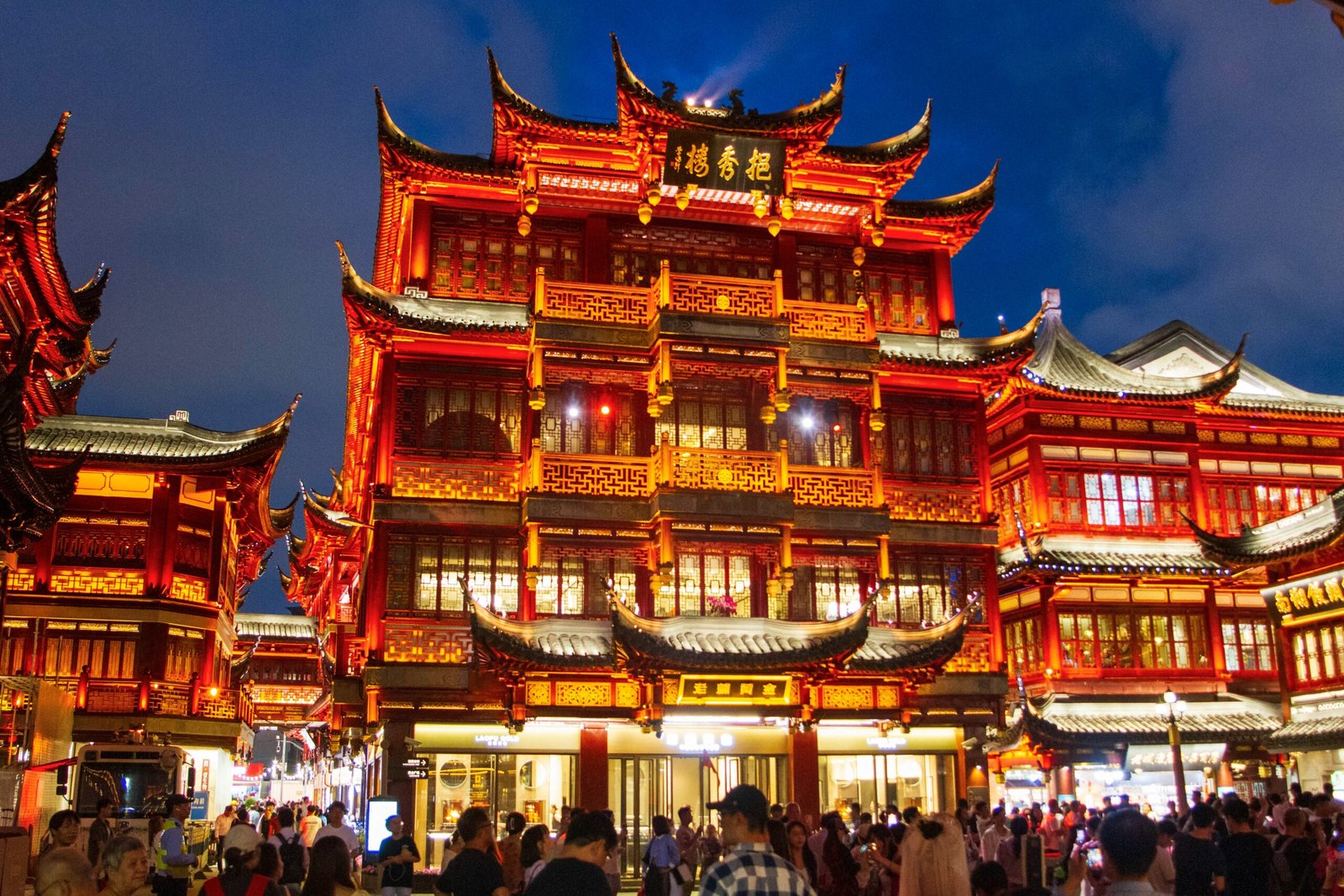
Shanghai, a city that effortlessly blends futuristic skyscrapers with traditional shikumen houses, is a captivating destination for travelers worldwide. However, its reputation for being a bustling metropolis often comes with the assumption of high accommodation costs. While luxury hotels abound, we’re here to tell you that finding affordable lodging in Shanghai is entirely achievable with a bit of planning and insider knowledge. Our aim is to demystify the process, helping fellow travelers navigate the vast array of options and secure comfortable yet budget-friendly stays. We’ll delve into the various types of accommodation available, from modern hostels to boutique hotels, and discuss how location significantly impacts price. It’s crucial to understand that “cheap” doesn’t necessarily mean compromising on cleanliness or safety; it simply means being smart about where and when we book. We’ll explore how Shanghai’s extensive public transportation system, particularly its metro, can unlock a wider range of affordable neighborhoods without sacrificing accessibility to key attractions. Our journey to finding cheap hotels begins with a solid understanding of what’s on offer and what factors influence pricing in this dynamic city.
Demystifying Neighborhood Price Variations
Shanghai is a city of distinct districts, each with its own character and, crucially, its own price point for accommodation. We’ve learned through experience that sticking to the absolute heart of the tourist zones, while convenient, often means paying a premium. The Bund, People’s Square, and Nanjing Road are undeniably iconic, but hotels here tend to be significantly more expensive. However, just a few metro stops away, we can find equally charming areas with substantially lower prices. For example, while the Bund offers breathtaking skyline views, areas like Xujiahui or Jing’an Temple, slightly further out but still incredibly well-connected, offer a different vibe with more local eateries and, importantly, more budget-friendly hotel options. We’ve found that exploring districts like Hongkou or Yangpu, which are popular with locals and offer a more authentic Shanghai experience, can yield surprisingly good deals. It’s a trade-off: a slightly longer commute on Shanghai’s efficient metro system versus significant savings on our nightly rate. We always consider the cost of travel when assessing overall value, but often, the savings on accommodation far outweigh the few extra yuan spent on metro tickets.
Exploring Accommodation Types Beyond Traditional Hotels
When we think of “cheap hotels,” our minds often default to basic, no-frills establishments. However, Shanghai’s budget accommodation scene is far more diverse and exciting. Hostels, for instance, have evolved beyond simple dorm rooms; many now offer private rooms with en-suite bathrooms, providing hotel-like privacy at a fraction of the cost. These are particularly great for solo travelers or small groups looking to socialize and gather local tips. We’ve also discovered a burgeoning market of guesthouses and boutique hotels, often housed in renovated historical buildings, offering unique charm and personalized service without the hefty price tag of larger chains. These can be hidden gems, providing a more intimate and authentic experience. Furthermore, serviced apartments, especially for longer stays, can be incredibly cost-effective, offering kitchenettes and more living space, which helps us save on dining out. Understanding this spectrum of options allows us to tailor our search to our specific needs and budget, moving beyond the conventional hotel search and uncovering truly great value.
If you’re looking for budget-friendly accommodations in Shanghai, you might also be interested in exploring ways to save on your travel expenses overall. A related article that offers valuable insights is “Flight Booking Hacks,” which provides tips on finding the best deals on flights. You can read it here: Flight Booking Hacks. Combining these strategies can help you make the most of your trip without breaking the bank.
Strategic Booking and Timing for Savings

Securing an affordable hotel in Shanghai isn’t just about where we look; it’s also heavily dependent on when and how we book. We’ve learned that a proactive approach, combined with flexibility, can lead to significant savings. Shanghai’s hotel prices fluctuate wildly based on demand, which is influenced by everything from major conferences and trade shows to national holidays and seasonal tourism peaks. By understanding these patterns, we can strategically plan our trip and booking strategy to avoid surge pricing and snag the best deals. This often means sacrificing a bit of spontaneity, but the financial rewards are usually well worth it. Our goal is always to find that sweet spot where demand is lower, but the city is still vibrant and enjoyable.
Leveraging Off-Peak Seasons and Weekdays
One of the most effective strategies we employ is traveling during Shanghai’s off-peak seasons. While the spring (April-May) and autumn (September-October) offer pleasant weather and are consequently the most popular, and thus most expensive, times to visit, we’ve found excellent deals during the shoulder seasons or even the less-favored months. For instance, late winter (February-March, excluding Chinese New Year) or early summer (June, before the peak heat and humidity) can offer significant price drops. Similarly, booking our stay to include more weekdays and fewer weekends can dramatically reduce costs. Hotels often increase their rates for Friday and Saturday nights due to higher leisure travel demand. If our itinerary allows, arriving on a Sunday or Monday and departing on a Thursday or Friday can shave a substantial amount off our total accommodation bill. We always check a flexible date range on booking platforms to identify these price differences, sometimes shifting our travel by just a day or two can result in hundreds of yuan in savings. This requires a bit of foresight and flexibility, but the rewards are tangible.
The Power of Advance Booking and Price Comparison
Procrastination is the enemy of budget travel when it comes to hotel bookings in Shanghai. We’ve consistently found that booking well in advance – ideally two to three months out, and even more for peak seasons or major events – yields the best rates. Hotels often release their rooms at lower prices to secure early bookings, and these prices tend to creep up as demand increases closer to the travel date. However, simply booking early isn’t enough; we also swear by thorough price comparison. We don’t just stick to one booking website. Instead, we use a combination of major online travel agencies (OTAs) like Booking.com, Agoda, and Expedia, as well as metasearch engines like Kayak and Skyscanner, which aggregate prices from multiple sources. We also make it a point to check the hotel’s official website directly. Sometimes, hotels offer exclusive deals or loyalty program discounts that aren’t available on third-party sites. Furthermore, we sign up for price alerts. Many booking sites offer this feature, notifying us if the price of our chosen hotel or a similar one in our desired area drops. This diligent approach ensures we’re always getting the most competitive price available at the time of booking.
Unlocking Discounts and Loyalty Programs
Beyond just comparing prices, we actively seek out discounts and leverage loyalty programs. Many OTAs offer member-only deals, flash sales, or discounts for booking through their mobile app. It’s worth taking a few minutes to create accounts and check these options. If we frequently travel with a specific hotel chain, joining their loyalty program is a no-brainer. While a budget trip to Shanghai might not involve staying at luxury chains, many mid-range and even some budget chains have loyalty programs that offer perks like discounted rates, free nights after a certain number of stays, or complimentary upgrades. Even if we’re not loyal to a specific brand, sometimes simply signing up for a hotel’s newsletter can grant access to exclusive promotional codes. We also keep an eye out for credit card benefits. Some travel credit cards offer bonus points on hotel bookings or specific travel discounts. Lastly, for longer stays, we always inquire about long-stay discounts. Many hotels are willing to offer a reduced nightly rate if we commit to a week or more, as it guarantees them occupancy. A little bit of research into these avenues can often lead to unexpected savings.
Exploring Alternative Booking Platforms and Resources

While the major online travel agencies (OTAs) are often our first port of call, we’ve learned that a truly comprehensive search for cheap hotels in Shanghai requires looking beyond these dominant players. The digital landscape for accommodation is vast, and sometimes the best deals are hidden on niche platforms, local Chinese websites, or even through direct contact. Our strategy involves casting a wide net, ensuring we haven’t missed any potential savings by being too narrow in our search. This often means navigating new interfaces or even using translation tools, but the effort can pay off handsomely in the form of a significantly lower price or a unique stay we wouldn’t have otherwise found.
Utilizing Local Chinese Booking Sites
One of our most effective strategies for finding truly cheap hotels in Shanghai is to look at local Chinese booking sites. While often in Mandarin, many of these platforms have English interfaces or are easily navigable with a browser’s translate function. Ctrip (now Trip.com, but the Chinese version still often has better domestic deals), Meituan, and Fliggy (Alibaba’s travel platform) are excellent examples. These sites often have a wider selection of local guesthouses, smaller budget hotels, and sometimes exclusive deals that aren’t available on international OTAs. The prices can be noticeably lower, especially for more localized establishments that might not have the marketing budget to list on global platforms. We’ve found that by cross-referencing these sites, we can sometimes find the exact same hotel room for 10-20% less. It takes a little more effort to navigate, and sometimes payment methods might be geared towards local Chinese options (though international credit cards are increasingly accepted), but for significant savings, it’s a step we highly recommend taking.
Considering Hostels and Guesthouses with Private Rooms
When the word “hostel” comes up, many immediately think of shared dormitories. However, the hostel scene in Shanghai, like in many major cities, has evolved dramatically. We’ve found numerous hostels that offer private rooms, often with en-suite bathrooms, at prices significantly lower than even the cheapest traditional hotels. These private hostel rooms provide the privacy and comfort of a hotel room, often with the added benefits of communal areas, a more social atmosphere, and staff who are usually excellent sources of local, budget-friendly information. Similarly, guesthouses, which are often family-run establishments, provide a more intimate and authentic experience. They might not have the extensive amenities of a large hotel, but they often compensate with personalized service, character, and much lower prices. We always check reviews carefully for these types of accommodations, focusing on cleanliness, safety, and location. Many of these smaller establishments thrive on word-of-mouth and online reviews, so a well-reviewed guesthouse or hostel private room can be a fantastic value find.
The Benefits of Direct Booking and Negotiation
While online platforms are convenient, we never discount the power of direct booking, especially for smaller establishments. Once we’ve identified a few potential budget hotels or guesthouses through our online research, we often visit their official websites or even call them directly. Sometimes, hotels offer a slightly better rate for direct bookings because they save on the commission fees charged by OTAs. Furthermore, for longer stays or during off-peak periods, there might be room for a little negotiation, particularly with independent hotels or guesthouses. While this isn’t common practice with large chains, smaller establishments might be willing to offer a discount if asked politely, especially if we’re booking for several nights. It never hurts to ask! We frame it as a query about their best available rate for our specific dates, or if they offer any long-stay discounts. This direct approach can sometimes unlock deals that aren’t advertised anywhere else, giving us a truly exclusive price.
Prioritizing Location and Transportation Connections
When searching for cheap hotels in Shanghai, it’s easy to get fixated solely on the nightly rate. However, we’ve learned that a seemingly cheap room in an inconvenient location can quickly become more expensive and much more frustrating than a slightly pricier room with excellent transport links. Shanghai is a vast city, and getting around can consume significant time and money if we’re not strategically located. Our priority, therefore, is always to find a balance: a good price combined with easy access to the city’s extensive and efficient public transportation network, particularly the metro. This approach allows us to stay further from the premium tourist hubs without feeling isolated or spending excessive amounts on taxis.
The Metro: Your Best Friend for Budget Travel
Shanghai’s metro system is, without a doubt, one of the best in the world – extensive, clean, efficient, and incredibly affordable. When we’re looking for budget accommodation, our first filter is always proximity to a metro station. Being within a 5-10 minute walk of a metro line means we can reach almost any major attraction in Shanghai quickly and cheaply. This opens up a wider range of neighborhoods that might not be as central as the Bund or People’s Square but are significantly more affordable. For example, staying near Line 2 can still get us to Pudong and People’s Square with ease, while areas connected by Line 7 or Line 9, though further out, offer excellent value for money and direct access to many parts of the city. We always check a potential hotel’s exact location on a map, overlaying it with the metro map, to assess its connectivity. A hotel might be a great price, but if it requires a long walk or a bus transfer to reach the nearest metro, the convenience factor (and potentially the cost) can quickly diminish.
Balancing Centrality with Cost-Effectiveness
While staying right in the heart of the action – say, along Nanjing Road or near The Bund – offers unparalleled convenience for first-time visitors, it also comes with a significant price tag. We often find ourselves looking for a sweet spot: neighborhoods that are slightly outside the absolute center but still offer a vibrant atmosphere, local amenities, and, most importantly, excellent metro connections. Areas like Xujiahui, which is a major commercial hub with plenty of shopping and dining, but also a key metro interchange, can offer more affordable hotel options than the Bund. Similarly, districts like Jing’an Temple, while somewhat upscale, can still yield competitive prices if we look carefully, and its connectivity is superb. We also consider areas like Changning or Hongkou. These might feel a little further out, offering a more residential feel and a glimpse into local life, but if a metro station is nearby, the city’s key attractions are still just a short, inexpensive ride away. The goal is to find a neighborhood that provides value without making us feel like we’re spending half our day commuting.
Evaluating the Hidden Costs of Inconvenience
It’s crucial to consider the “hidden costs” associated with choosing a very cheap hotel in a poorly connected area. While the nightly room rate might be tempting, we always calculate the potential additional expenses and time expenditure. If a hotel is far from public transport, we might end up spending more on taxis or ride-shares, which can quickly erode any initial savings. Long commutes also mean less time exploring the city and more time traveling, which can detract from the overall travel experience. Beyond transportation, we also consider the availability of local amenities. A hotel far from restaurants, convenience stores, or ATMs might seem cheap, but the need to travel for basic necessities adds both time and potential cost. Our rule of thumb is that if the hotel requires multiple transfers or a long walk to the nearest metro station, the initial savings need to be substantial to justify the inconvenience. A well-located, slightly more expensive option that saves us time and money on daily commutes is often the better value in the long run.
When planning a trip to Shanghai, finding affordable accommodations can be a challenge, but there are plenty of resources available to help you navigate the options. For travelers interested in luxury experiences, you might want to check out an article about some exquisite options near iconic landmarks, such as the ones highlighted in this piece on luxury hotels near Big Ben. This can give you a sense of what to expect in terms of amenities and pricing, allowing you to make informed decisions about your stay in Shanghai.
Practical Tips for Securing and Enjoying Your Stay
Finding a cheap hotel in Shanghai is only half the battle; ensuring a smooth and enjoyable stay requires a few more practical considerations. From the moment we book to the time we check out, there are several steps we take to maximize our comfort and avoid any unexpected hurdles, all while sticking to our budget-conscious philosophy. Our experiences have taught us that a little preparation and awareness can go a long way in turning a budget stay into a fantastic adventure in this incredible city.
Reading Reviews and Understanding Amenities
Before finalizing any booking, regardless of the price, we meticulously read recent reviews. This is perhaps one of our most critical steps. Websites like Booking.com, Agoda, and TripAdvisor are invaluable for getting a real sense of what to expect. We pay close attention to comments about cleanliness, staff helpfulness, noise levels, and the accuracy of the online photos. Crucially, we always filter by “lowest rated” just to see the worst complaints, which often highlight common issues. We also thoroughly check the list of included amenities. A cheap hotel might seem like a great deal, but if it lacks essential amenities like air conditioning (critical in Shanghai’s summer), reliable Wi-Fi, or even basic toiletries, we factor that into our decision. Sometimes, paying a few extra dollars for a hotel with these necessities included saves us money and hassle in the long run. For example, needing to buy a hairdryer or pay for Wi-Fi daily can quickly add up.
Communicating Your Needs and Expectations
Once we’ve booked, especially with smaller hotels or guesthouses, we make it a point to communicate any specific needs or preferences in advance. This could be requesting a quiet room away from the street, a room on a lower floor if there’s no elevator, or inquiring about early check-in or late check-out options. While not always guaranteed, expressing these needs upfront gives the hotel a chance to accommodate us. We also try to manage our expectations. When booking a budget hotel, we understand that it won’t have the same level of luxury or service as a five-star establishment. Being realistic about what a particular price point offers helps prevent disappointment. If a hotel is priced significantly lower than others in the area, we go in with the understanding that it might be basic, but we focus on ensuring it meets our core needs for cleanliness, safety, and a comfortable bed.
Navigating Payment and Local Customs
Payment in China has largely shifted to mobile platforms like WeChat Pay and Alipay. While most international hotels and larger establishments will accept major credit cards, smaller budget hotels, guesthouses, and local eateries might prefer or even require payment via these mobile apps. It’s highly advisable to set up at least one of these apps before arriving in China, linking it to an international credit card if possible, as it will make daily transactions much smoother, especially when dealing with budget options. We always carry some cash (RMB) for smaller purchases or in case of payment system issues, but mobile payments are the norm. Additionally, understanding a few basic Mandarin phrases for check-in/check-out or asking for directions can greatly enhance our experience, particularly in establishments where English might not be widely spoken. A translation app on our phone is also an invaluable tool. Being prepared for these local customs helps us avoid awkward situations and ensures our budget-friendly stay goes as smoothly as possible.
FAQs
1. Can I find cheap hotels in Shanghai near popular tourist attractions?
Yes, you can find budget-friendly accommodations near popular tourist spots in Shanghai. Consider staying in areas like The Bund, People’s Square, or Jing’an District for convenient access to attractions without breaking the bank.
2. Are there any budget hotels in Shanghai with good reviews?
Yes, there are budget hotels in Shanghai that receive positive reviews from guests. Look for well-rated options on travel websites or booking platforms, and read reviews from previous guests to ensure a pleasant stay within your budget.
3. How far in advance should I book a cheap hotel in Shanghai?
It is recommended to book your cheap hotel in Shanghai as early as possible to secure the best rates. Booking in advance also gives you more options to choose from, especially during peak travel seasons or major events in the city.
4. What are some tips for finding the best deals on cheap hotels in Shanghai?
To find the best deals on budget accommodations in Shanghai, consider booking during off-peak seasons, comparing prices on different booking platforms, signing up for loyalty programs or newsletters for discounts, and being flexible with your travel dates.
5. Are there any budget-friendly hotel chains in Shanghai that I can consider for my stay?
Yes, there are budget-friendly hotel chains in Shanghai that offer affordable accommodations without compromising on quality. Look for options like Jinjiang Inn, Hanting Express, or Home Inn for a comfortable stay at a reasonable price.