
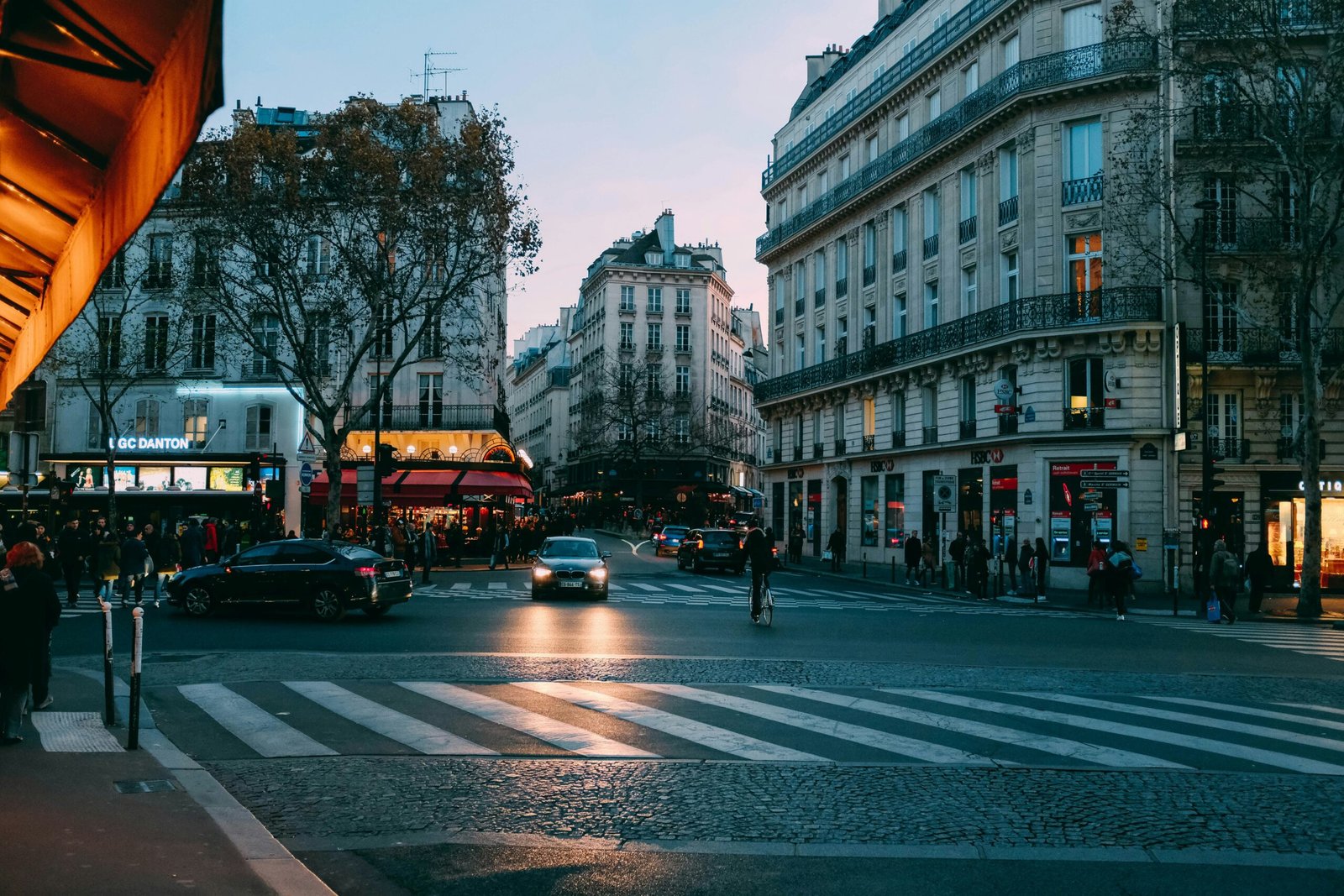
We all dream of that Parisian escape, the romance of the City of Lights, the delicate scent of croissants wafting through ancient streets. But let’s be honest, the dream can quickly become a financial reality check, especially when it comes to accommodations. Paris hotels, while often charming, can be notoriously expensive. However, through our collective travels and shared experiences, we’ve discovered that it is indeed possible to elevate your stay without elevating your bill. We’re talking about free upgrades – those little touches of luxury that transform a good trip into an unforgettable one. It’s not about trickery or demanding; it’s about understanding the system, demonstrating a little charm, and positioning ourselves for success. We’ve learned that a modest room can often be a stepping stone to a significantly better one, and that the key to unlocking these hidden perks often lies in our approach and a bit of forethought.
The Art of the Initial Booking: Laying the Groundwork
Our journey to a free upgrade often begins long before we even set foot in the hotel lobby. The initial booking process is where we can strategically position ourselves for future success. It’s about more than just finding the cheapest room; it’s about making a smart reservation that leaves room for improvement.
Choosing the Right Hotel Type
Not all hotels are created equal when it comes to upgrade potential. We’ve found that independent boutique hotels, while charming, often have fewer distinct room categories, limiting the scope for a significant upgrade. Conversely, larger chain hotels, especially those with loyalty programs, tend to offer more tiered room types, making upgrades a more viable option. Think about hotels that are part of international chains like Marriott, Hilton, or Accor. These establishments typically have a more standardized system for managing inventory and rewarding guests, which plays directly into our hands. We look for hotels with a clear progression of room types, from standard to superior, deluxe, executive, and suites. The more steps there are on that ladder, the more likely it is we can climb one or two without extra cost.
Timing Your Reservation Strategically
The timing of our booking can significantly impact our chances. Booking far in advance, say six months to a year out, often secures a good base rate but might not offer the best upgrade opportunities. Why? Because the hotel’s future occupancy is largely unknown, and they might be less inclined to commit their better rooms too early. On the other hand, booking last minute, while sometimes yielding a discount, often means the hotel is near capacity, leaving fewer premium rooms available for upgrades. We’ve found a sweet spot: booking roughly three to six months in advance. This gives the hotel a good sense of their occupancy, but also leaves them with enough flexibility in their inventory. It also allows us time to monitor prices and perhaps rebook if a better rate appears for a slightly higher room category.
Joining Loyalty Programs
This is perhaps the most crucial step in our upgrade strategy. Hotel loyalty programs are designed to reward repeat customers, and one of the most enticing rewards is the free upgrade. We always, always join the loyalty program of any hotel chain we’re considering, even if it’s our first stay. Often, just being a member, even at the lowest tier, can make a difference. The hotel staff can see our membership status, which immediately signals a potential for future business and a reason to treat us a little better. As we accumulate stays and points, our tier status increases, and with it, the likelihood and quality of our upgrades. Even basic tiers often offer perks like complimentary Wi-Fi or a small welcome amenity, but mid-tier status (like Marriott Bonvoy Gold Elite or Hilton Honors Gold) frequently includes complimentary room upgrades based on availability. This is where we really start to see the benefits.
Making a Direct Booking
While third-party booking sites can sometimes offer attractive rates, we’ve learned that booking directly through the hotel’s own website significantly increases our chances of an upgrade. Hotels generally prefer direct bookings because they avoid the commissions charged by online travel agencies (OTAs). This means they retain more revenue from our stay. As a result, they are often more willing to reward direct bookers with preferential treatment, including upgrades. When a hotel has a choice between upgrading a guest who booked directly and one who booked through an OTA, the direct booker will almost always win out. We also find that direct bookings offer more flexibility for special requests and modifications, which can be useful later on.
If you’re planning a trip to Paris and looking for ways to enhance your hotel experience, you might find it helpful to explore tips on travel in other major cities as well. For instance, an article titled “15 Things to Do in New York: 7 Things First-Time Visitors Get Wrong” offers valuable insights that can improve your travel experience, whether you’re in Paris or New York. You can read it here: 15 Things to Do in New York.
Communicating Our Needs and Wants: The Gentle Persuasion

Once the booking is made, our next step is to initiate subtle communication with the hotel. This isn’t about demanding an upgrade; it’s about establishing a positive relationship and providing information that makes an upgrade a logical choice for the hotel.
Sending a Polite Pre-Arrival Email
A week or so before our arrival, we like to send a concise and polite email directly to the hotel. This email serves several purposes. Firstly, it reconfirms our booking and expresses our excitement about our upcoming stay in Paris. Secondly, it provides an opportunity to make a reasonable special request. This is key: don’t ask for a suite right off the bat. Instead, we might ask for a room on a higher floor for a better view, a quiet room away from the elevator, or a room with a specific bed configuration. By making a practical request that doesn’t explicitly mention an upgrade, we often prompt the hotel to look at their available inventory more closely. If they can fulfill our request and also upgrade us to a better room category that meets those criteria, it’s a win-win. We might also mention if we’re celebrating a special occasion (anniversary, birthday), as hotels love to make these moments memorable.
Mentioning a Special Occasion (Truthfully!)
While we never advocate for dishonesty, if we genuinely are celebrating a special occasion, this is a powerful card to play. Hotels are often eager to enhance a guest’s experience during a birthday, anniversary, or honeymoon. A simple mention in the pre-arrival email or during check-in can trigger a thoughtful gesture, which might include a room upgrade. We frame it as a hope to make the celebration even more special, rather than an expectation. For example, “We are so looking forward to celebrating our [X] anniversary during our stay, and any little touches that could make it extra memorable would be greatly appreciated.” This approach often leads to pleasant surprises, from a small amenity in the room to, yes, an upgrade.
Being a Good Guest in Advance
Our interaction with the hotel staff, even before we arrive, contributes to our overall ‘guest profile.’ Responding promptly to any queries they might have, being clear in our communication, and generally being pleasant and easy to deal with, sets a positive tone. This seemingly minor detail can make a difference. Hotel staff, like anyone else, appreciate respectful and considerate interactions. If they have to choose between a demanding guest and a pleasant one for an upgrade, the choice is usually clear.
The Check-in Moment: Making a Lasting Impression

The check-in process is our prime opportunity to make a direct connection with the front desk staff, who hold the power to grant or deny an upgrade. This is where charm, courtesy, and a well-timed question can work wonders.
Dressing Smartly and Politely
First impressions matter. While we don’t need to arrive in a tuxedo, presenting ourselves neatly and respectfully can influence how we are perceived. We believe it signals that we appreciate quality and are perhaps the kind of guest who would genuinely appreciate and take care of an upgraded room. More importantly, we approach the front desk with a smile, make eye contact, and use polite language. A simple “Bonjour!” followed by “We have a reservation under [Our Name]” and a cheerful demeanor goes a long way in setting a positive tone for the interaction.
Asking Nicely, Not Demanding
This is perhaps the most critical rule: never demand an upgrade. Instead, we ask politely and inquire about the possibility. After the standard check-in procedures, once the front desk agent seems to have found our reservation, we might ask, with a hopeful smile, “We were wondering if there might be any availability for a room with a slightly better view, or perhaps a room on a higher floor?” or “Are there any larger rooms available today, by any chance?” We emphasize “if available” and “by any chance,” which conveys our understanding that it’s not a guaranteed right.
The Power of “Is There Anything Better Available?”
A slightly more direct, yet still polite, approach involves directly asking about upgrades. After the agent has pulled up our reservation and we’ve confirmed the details, we might say, “We’re really excited about our stay. We were wondering, as loyalty members (if applicable), if there might be any complimentary upgrades available for a better room category today?” Or, more simply, “Is there anything better available today?” This phrasing puts the ball in their court and gives them an easy out if nothing is available, but also opens the door if there is. It’s a gentle nudge, a polite inquiry, not a forceful demand.
Being Flexible with Room Preferences
Sometimes, the best strategy is to be a little flexible. If the front desk agent says there are no upgrades to a suite, we might ask about a room with a balcony, a corner room, or one on a higher floor. Being open to different types of “better” rooms increases our chances. It shows we’re not fixated on one specific type of upgrade but are genuinely looking to enhance our stay within the hotel’s existing inventory. Perhaps a room in a quieter wing or one with a recently renovated bathroom is available, which might not be a “suite” but is still a significant improvement.
Acknowledging and Thanking the Staff
If an upgrade is offered, we express genuine gratitude. A sincere “Thank you so much, we really appreciate that!” goes a long way. It reinforces their decision and leaves them feeling good about helping us. Even if an upgrade isn’t possible, we thank them for checking and for their assistance with our check-in. A positive interaction, regardless of the outcome, is always the goal. We also make a mental note of their name, which can be useful later if we want to mention them positively in a review.
During Our Stay: Continuing to Build Rapport
Our efforts don’t stop once we’ve checked in. Maintaining a good relationship with the hotel staff throughout our stay can sometimes lead to additional perks or make future stays even more rewarding.
Being a Considerate Guest
This seems obvious, but it’s often overlooked. We always strive to be considerate guests. This means keeping our room tidy, respecting hotel property, being mindful of noise levels, and generally adhering to hotel policies. When we interact with housekeeping, concierge, or restaurant staff, we do so with politeness and respect. These small actions contribute to our reputation as a “good guest” within the hotel, and this can indirectly influence how we’re treated. A hotel is far more likely to go the extra mile for a guest who is pleasant and appreciative.
Utilizing Hotel Services (Wisely)
Engaging with various hotel services can also build rapport. Asking the concierge for recommendations, dining at the hotel restaurant, or using the hotel bar provides opportunities for positive interactions with staff beyond the front desk. This allows us to be seen as more than just a room number; we become a familiar face. However, we’re also mindful of not over-burdening staff with trivial requests. We aim for genuine engagement.
Addressing Issues Graciously
Occasionally, issues arise during a stay, despite everyone’s best efforts. If we encounter a problem – perhaps something isn’t working in our room, or there’s a minor amenity missing – we address it graciously and calmly with the appropriate staff member. We avoid an aggressive or demanding tone. By being understanding and cooperative, we often find that the hotel is even more eager to resolve the issue promptly and perhaps offer a small gesture of apology, which sometimes can even be an upgrade to a better room if the issue is significant enough and our current room needs immediate attention.
Saying Thank You at Check-out
As we check out, we always take a moment to thank the front desk staff and mention anything specific we enjoyed about our stay. If we received an upgrade, we explicitly thank them again for it, mentioning how much we appreciated the extra space or the lovely view. This final positive interaction leaves a lasting impression and can make the hotel more inclined to remember us fondly, should we choose to return in the future.
If you’re planning a trip to Paris and are interested in enhancing your hotel experience, you might find it helpful to explore some tips on how to get free upgrades in Paris hotels. Additionally, if you’re considering a broader European adventure, you may want to check out an insightful article on things to do in London that also highlights common tourist mistakes that can impact your travels. This could provide you with valuable insights to ensure a smoother journey across the continent.
Beyond the Stay: Future Rewards and Continued Engagement
Our quest for upgrades doesn’t end when we leave the hotel. The actions we take after our stay can solidify our status as a valued guest and pave the way for even better experiences on future visits.
Leaving a Positive Review
If we had a truly great experience, especially if we received an upgrade or exceptional service, we make sure to leave a positive review on platforms like TripAdvisor, Google, or the hotel’s direct feedback channel. We specifically mention the upgrade and any staff members who went above and beyond. Hotels actively monitor these reviews, and a glowing review that highlights an upgrade can serve as a powerful signal that their generosity was appreciated and well-placed. It reinforces their decision to upgrade us and encourages them to do it again for similar guests.
Maintaining Loyalty Program Status
We actively work to maintain our loyalty program status. This means prioritizing stays with the same hotel chain whenever possible. The higher our status, the more reliably we can expect upgrades, late check-outs, and other valuable perks. Even if we don’t travel extensively, consolidating our stays can often push us into a higher tier, unlocking significant benefits. We view our loyalty program status as a long-term investment in better travel experiences.
Engaging with the Hotel on Social Media
A brief, positive mention or tag of the hotel on social media (if we’re comfortable doing so) can also be beneficial. Hotels often have dedicated social media managers who track mentions and can appreciate positive guest engagement. It’s another way to show our appreciation and keep the hotel in mind for future stays.
Remembering and Returning
Ultimately, one of the best ways to get future upgrades is to return to hotels where we’ve had good experiences, especially if we received an upgrade previously. When we return, we can mention during booking or check-in that we’ve stayed with them before and thoroughly enjoyed our last visit, particularly if they were able to offer us a nicer room. This often makes us a known quantity, a valued repeat guest, and significantly increases our chances of receiving preferential treatment, including those coveted free upgrades. Building a relationship with a specific hotel or even a specific front desk agent can be incredibly rewarding. They remember us, and we remember them, making for a much more personalized and often upgraded experience on future Parisian adventures.
FAQs
1. Can I get a free room upgrade in a Paris hotel?
It is possible to get a free room upgrade in a Paris hotel by joining the hotel’s loyalty program, booking directly with the hotel, or simply asking for an upgrade politely during check-in if the hotel has availability.
2. What are some tips for increasing my chances of getting a free upgrade in a Paris hotel?
To increase your chances of getting a free upgrade in a Paris hotel, consider booking during off-peak times, mentioning special occasions like birthdays or anniversaries, being polite and friendly to the hotel staff, and booking a higher room category to begin with.
3. Is it common for Paris hotels to offer free upgrades to guests?
While it is not guaranteed, some Paris hotels do offer free upgrades to guests, especially if they have a good relationship with the hotel, are celebrating a special occasion, or if the hotel has availability in higher room categories.
4. What should I do if I am not offered a free upgrade at a Paris hotel?
If you are not offered a free upgrade at a Paris hotel, you can politely inquire about the possibility of an upgrade, express your interest in a higher room category, or ask if there are any special offers or promotions available for upgrades.
5. Are there any other ways to enhance my stay at a Paris hotel besides getting a free upgrade?
Apart from getting a free upgrade, you can enhance your stay at a Paris hotel by booking special packages, requesting additional amenities or services, exploring the hotel’s facilities, dining at the hotel’s restaurants, and participating in any events or activities organized by the hotel.