
Mastering the Art of Affordable Airfare to the French Riviera
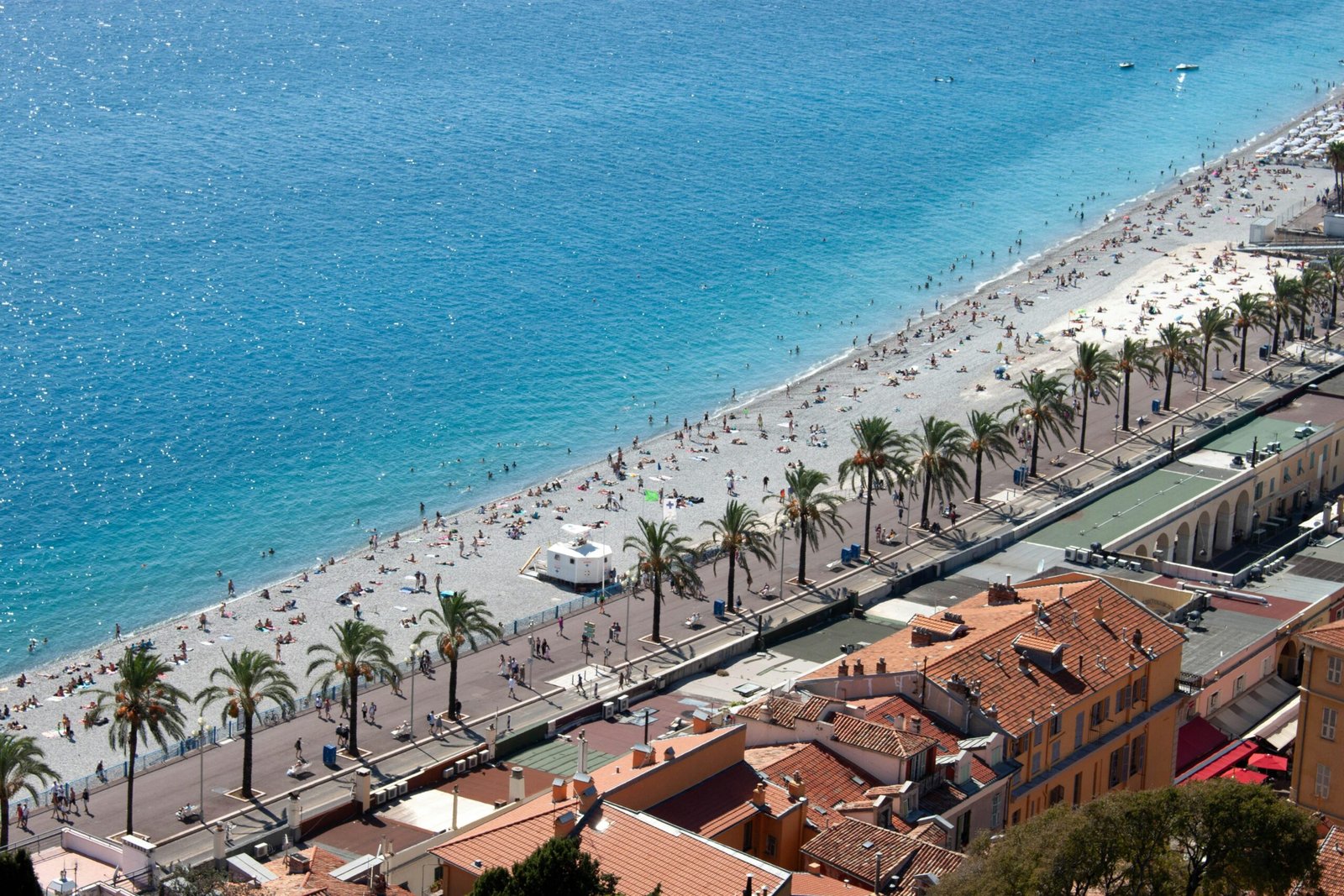
We’ve all dreamt of it: the sparkling turquoise waters, the vibrant markets, the scent of lavender carried on a gentle breeze. Nice, France, nestled elegantly on the French Riviera, beckons with an irresistible charm. But before we can sip rosé on the Promenade des Anglais, we often face the daunting task of securing affordable flights. Fear not, fellow wanderers! We, as seasoned budget travelers, have honed our skills in the intricate art of finding cheap airfare to this Mediterranean gem. This comprehensive guide is our collective wisdom, designed to empower you to unlock the secrets of economical travel to Nice Côte d’Azur Airport (NCE). Let’s embark on this journey together, transforming what often feels like an expensive luxury into an accessible reality.
Timing is Everything: When to Book and When to Fly
The adage “timing is everything” rings particularly true when it comes to snagging those coveted cheap flights. Our collective experience has shown us that being strategic about when we search and when we plan to travel can make a monumental difference in the final price tag. It’s a delicate dance between supply, demand, and a touch of forecasting.
The Sweet Spot for Booking
We’ve discovered that there isn’t a single, magic number of days before departure that guarantees the lowest fare. However, a general rule of thumb we adhere to is booking somewhere between two to four months in advance for international flights, especially to popular destinations like Nice. This window often allows us to catch early bird deals without paying premium last-minute prices. Booking too far out can sometimes be more expensive as airlines haven’t yet released their full range of discounted seats, and booking too close to departure leaves us at the mercy of higher demand. For peak season travel (summer months, major holidays), we push this window out slightly, aiming for four to six months in advance. Conversely, if we’re feeling adventurous and flexible, we sometimes monitor flights for last-minute deals, though this carries a higher risk and isn’t our primary strategy for guaranteed savings.
Optimizing Your Travel Dates
The specific days and months we choose to fly profoundly impact flight costs. We consistently find that avoiding peak tourist seasons is our most effective strategy for saving money.
Embracing the Shoulder Seasons
Our favorite time to visit Nice, both for cost and experience, is during the shoulder seasons. This typically means April-May and September-October. During these months, the weather is still delightful – warm enough for beach days but without the intense heat and crowds of July and August. Airlines, recognizing the dip in demand, often offer more competitive pricing. We get to experience the beauty of Nice without breaking the bank on flights or battling throngs of tourists for a spot on the beach.
The Allure of the Off-Season
While some might shy away from winter in Nice, we’ve found that traveling between November and March (excluding the Christmas/New Year period) can yield significant savings. The weather is cooler, and some attractions might have reduced hours, but the city retains its charm, and the cost of flights and accommodation plummets. We’ve enjoyed crisp, sunny winter days exploring the Old Town and indulging in local cuisine without the usual crowds, all thanks to off-season airfare.
The Power of Mid-Week Travel
A simple, yet often overlooked, trick in our arsenal is flying on Tuesdays, Wednesdays, and Thursdays. Weekends, particularly Fridays and Sundays, are almost universally more expensive due to higher demand from business travelers and those on short breaks. By shifting our departure and return dates by just a day or two, we frequently shave a considerable amount off our ticket prices. We encourage flexibility with dates; even a slight adjustment can lead to substantial savings.
If you’re planning a trip to Nice, France, and looking for ways to save on your travel expenses, you might find it helpful to explore budget-friendly activities once you arrive. For some inspiration, check out this article on things to do in Ghana under $50, which highlights affordable experiences that can enhance your travels without breaking the bank. While it’s focused on Ghana, the concept of enjoying enriching activities on a budget can be applied to your time in Nice as well.
Strategic Search Techniques and Tools We Rely On

In the vast digital ocean of flight search engines, it’s easy to feel overwhelmed. However, through trial and error, we’ve developed a set of strategic techniques and identified go-to tools that consistently help us unearth the best deals for flights to Nice. It’s not just about using one platform; it’s about leveraging multiple resources and understanding how they work.
Leveraging Flight Comparison Websites
Our first port of call is always a reliable flight comparison website. These aggregators scour hundreds of airlines and online travel agencies (OTAs) to present us with a broad spectrum of options.
Our Preferred Aggregators
We have a few favorites that we rotate between:
- Skyscanner: We love Skyscanner for its “Everywhere” search function, which is fantastic if we’re flexible on our destination (though for Nice, we’d input the specific city). More importantly, its calendar view helps us visualize price fluctuations across an entire month, making it easy to spot the cheapest days to fly. We also appreciate its ability to search for flights from an entire country rather than just a specific airport, which can be useful if we’re open to departing from a nearby city with potentially cheaper international connections.
- Google Flights: This is another indispensable tool. Its interactive map feature is excellent for seeing prices from various departure airports and to different destinations simultaneously. We particularly appreciate its “price graph” feature, which shows historical price trends and predicts future price changes, giving us an edge in deciding when to book. Its flexibility for date ranges and the ability to track specific flights for price drops are also huge advantages.
- Kayak: Kayak’s strength lies in its comprehensive search, often including budget airlines that some other aggregators might miss. We also find its “price trend” tool useful, which advises whether to buy now or wait based on historical data.
Key Features We Look For
When using these platforms, we always enable several key features:
- Flexible Dates: As discussed, flexibility is paramount. We always select “flexible dates” or view the “whole month” if available to pinpoint the cheapest travel days.
- Nearby Airports: We don’t just search from our closest major airport. We expand our search to include nearby regional airports for departure, and sometimes even consider alternative arrival airports in the wider Nice region if significant savings are available and ground transportation is feasible. For Nice, NCE is usually the most convenient, but it’s always worth checking.
- Incognito Mode: While disputed by some, we always search for flights in incognito or private browsing mode. The theory is that airlines and OTAs can track our searches via cookies and potentially raise prices on routes we’ve shown interest in. Whether it’s psychological or genuinely effective, it costs us nothing to clear our cookies or use incognito, so we always do.
Direct Booking and Budget Airlines
While aggregators are a great starting point, we never stop there. Our next step is often to check the websites of individual airlines, especially budget carriers.
Why Direct Booking Matters
Sometimes, airlines offer exclusive deals on their own websites that aren’t pushed out to aggregators. This is particularly true for flash sales or loyalty program discounts. We also prefer booking directly with the airline for easier management of changes, cancellations, and customer service should issues arise.
Embracing Low-Cost Carriers (LCCs)
For flights to Europe, especially within Europe or from major hubs, LCCs are our best friends. Airlines like Ryanair, EasyJet, and Transavia frequently offer incredibly low base fares to Nice.
Understanding the LCC Model
It’s crucial to understand how LCCs operate. Their low base fares often come with “unbundling” – everything from checked baggage, seat selection, in-flight meals, and even printing your boarding pass at the airport costs extra. We meticulously calculate these add-ons to ensure the LCC fare, with our necessary extras, still works out cheaper than a traditional airline’s all-inclusive fare. Often, if we’re traveling light with just a personal item or small carry-on, LCCs are unbeatable.
Flying from Different Hubs
Sometimes, the cheapest way to get to Nice is not a direct flight from our home airport. We often look for budget flights from major European hubs like London (Luton, Stansted, Gatwick), Paris (Beauvais), or Amsterdam. We then book a separate, often cheap, flight or use other transport to get to that hub. This “self-connecting” strategy can be incredibly cost-effective, but it does carry risks (e.g., if the first flight is delayed, we might miss the second). We always allow ample layover time and consider travel insurance when employing this tactic.
Leveraging Flexibility and Smart Travel Hacks

Beyond just searching for the cheapest dates and using comparison sites, we’ve developed a suite of travel hacks and embraced a philosophy of flexibility that consistently helps us save money on flights to Nice. These aren’t always about finding the absolute lowest price, but rather optimizing the overall travel experience for affordability.
The Power of Being Flexible with Departure Airports
Our quest for cheap flights to Nice doesn’t begin and end with our closest international airport. We understand that sometimes, flying from an alternative, slightly further airport can unlock significant savings.
Considering Nearby Major Hubs
For instance, if we’re based in a smaller city, we’ll always check flight prices from larger international hubs within a reasonable driving or train distance. Sometimes, the cost of a train ticket or gas to get to a major hub, plus the cheaper flight from that hub, still works out less than flying directly from our local airport. This is especially true for long-haul flights to Europe, where major hubs like London Heathrow, Paris Charles de Gaulle, Amsterdam Schiphol, or Frankfurt often have a greater variety of airlines and more competitive pricing. While Nice Côte d’Azur Airport (NCE) is our final destination, a cheap flight to one of these hubs and then a separate, low-cost connection to Nice might be the winning formula. We meticulously calculate the total cost and time involved for each option.
One-Way vs. Round-Trip Scrutiny
We never assume a round-trip ticket is inherently cheaper. Sometimes, mixing and matching one-way tickets from different airlines can result in significant savings. For example, we might find a great deal on a one-way flight to Nice with one airline and an equally good deal for our return journey with a completely different carrier. This requires a bit more legwork in terms of searching and booking, but the financial rewards can be substantial. We treat each leg of the journey as a separate decision point, always comparing the one-way price with the equivalent portion of a round-trip ticket.
If you’re planning a trip to Nice, France and looking for ways to save on airfare, you might find it helpful to explore some travel hacks that can enhance your overall experience. A related article that offers valuable insights is Ultimate Travel Hacks for Stress-Free Adventures, which provides tips on how to navigate the complexities of travel while keeping your budget in check. By combining these strategies with your flight booking efforts, you can ensure a more enjoyable and economical journey to the beautiful French Riviera.
The Art of the Layover: Embracing Indirect Routes
Direct flights are convenient, but convenience often comes at a premium. We’ve learned that embracing layovers, even long ones, can be a game-changer for flight costs.
The Cost-Saving Potential of Connections
A flight to Nice with one or two layovers is almost invariably cheaper than a direct flight, especially from further afield. While it adds to the travel time, we often view layovers as an opportunity. A longer layover in a city we haven’t visited before can become a mini-adventure, allowing us to explore a new destination for a few hours or even a day, essentially getting two trips for the price of one. We prioritize layovers in major European cities like Paris, Amsterdam, or Munich, as these airports are well-connected to Nice and often have frequent, competitively priced connecting flights.
“Hidden City” Ticketing (with Caution!)
This is a more advanced and somewhat controversial tactic, and we approach it with extreme caution. “Hidden city” ticketing involves booking a flight to a final destination beyond Nice, with a layover in Nice, and then simply getting off at Nice, discarding the final leg. For example, booking a flight from New York to Rome with a layover in Nice, but only flying to Nice. This can sometimes be significantly cheaper than a direct flight to Nice. However, airlines dislike this practice and it violates their terms and conditions.
Our strict caveats for considering hidden city ticketing:
- No Checked Baggage: We absolutely never check bags if attempting this, as our luggage would continue to the final destination.
- One-Way Only: We only consider this for one-way journeys, as the airline would likely cancel our return leg if we “no-show” for a segment.
- No Loyalty Programs: We avoid associating our loyalty program numbers with these bookings, as airlines could potentially penalize us (e.g., revoking points).
- Understand the Risks: Airlines can, in theory, charge us the difference in fare or even ban us from their loyalty programs. We only consider this if the savings are truly substantial and we are fully aware of the potential consequences. For most travelers, we recommend sticking to more conventional methods.
Price Drop Alerts and Price Prediction Tools
We’re not always actively searching; sometimes, we let the technology do the work for us. Setting up price alerts is a passive yet highly effective strategy.
How We Utilize Price Alerts
Most major flight comparison sites (Google Flights, Skyscanner, Kayak) offer the option to set up email alerts for specific routes and dates. We input our desired departure and arrival airports (e.g., New York to Nice) and our preferred travel dates (or a flexible range), and the system notifies us when prices drop. This saves us from constantly checking and allows us to pounce on a good deal as soon as it appears. We usually set these alerts months in advance to capture early price fluctuations.
Benefits of Price Prediction
Some tools, particularly Google Flights, offer price prediction features. They analyze historical data and current trends to advise whether the price for our chosen flight is likely to go up or down, suggesting whether to “buy now” or “wait.” While not foolproof, it provides an educated guess and can be a valuable guide in our booking decisions. We treat these as helpful suggestions rather than definitive predictions.
Maximizing Value Beyond the Base Fare
Securing a cheap base fare to Nice is a huge win, but our journey to affordability doesn’t end there. We’ve learned that true savings come from understanding and managing all the additional costs that can quickly inflate our travel budget. Our goal is to maximize value by minimizing unnecessary expenses, from baggage fees to credit card charges.
Navigating Baggage Fees: The Art of Packing Light
This is arguably one of the biggest hidden costs, especially when flying with budget airlines. Our philosophy is simple: if we can avoid checked baggage fees, we do.
Master the Carry-On
We’ve become experts at packing light. For a trip to Nice, especially for a week or less, we aim to fit everything into a compliant carry-on bag and a personal item (a backpack or a large tote). This requires careful planning:
- Versatile Clothing: We pack items that can be mixed and matched, and layers are crucial for varying weather.
- Toiletries: Travel-sized toiletries are a must. We avoid bringing full-sized bottles unless absolutely necessary and are prepared to purchase some items upon arrival in Nice.
- “Wear Your Heaviest”: We always wear our bulkiest shoes and heaviest jacket on the plane to save space and weight in our luggage.
- Roll, Don’t Fold: Rolling clothes often saves more space than folding.
- Digitalize Documents: All boarding passes, hotel confirmations, and itineraries are stored digitally on our phones to avoid carrying unnecessary paper.
Understanding Airline Baggage Policies
Before booking, we meticulously check the baggage allowance and fee structure for each airline we’re considering. What seems like a cheap base fare can quickly become expensive if we need to check a bag. Some budget airlines charge significantly more for baggage booked at the airport versus online in advance. We always pre-book any necessary checked bags online during the booking process to lock in the lower rate. If we find ourselves needing to check a bag, we compare the total cost (flight + baggage) across different airlines to ensure we’re still getting the best deal.
Avoiding Unnecessary Booking Fees and Add-Ons
Airlines and OTAs are masters at upselling. We’ve learned to be vigilant and say “no” to things we don’t truly need.
The Seat Selection Trap
Many airlines now charge for seat selection. Unless we have a critical need (e.g., traveling with small children and needing to sit together), we generally skip paid seat selection. We’re comfortable taking our chances with random assignment at check-in. If we’re flying with a companion, we often find that even if we don’t pay, we’re assigned seats together, or we can politely ask at the gate.
Insurance: When to Buy, When to Skip
Travel insurance is important, but we assess whether to buy it directly from the airline. Often, third-party travel insurance providers offer more comprehensive coverage at a better price. Furthermore, many premium credit cards offer built-in travel insurance benefits (trip cancellation, baggage delay, etc.) when we use them to book our flights. We always check our credit card benefits before purchasing additional insurance. We only buy insurance if our existing coverage is insufficient for our specific trip needs.
In-Flight Extras
Unless it’s a long-haul flight, we typically forgo in-flight meals and entertainment. We pack our own snacks and drinks (bought after security) and load our devices with movies or books. On short European flights, where meals are rarely complimentary, this is an easy way to save money.
Credit Card Perks and Loyalty Programs
Our credit cards and airline loyalty memberships aren’t just for spending; they’re powerful tools for reducing travel costs.
Leveraging Travel Rewards Credit Cards
Many credit cards offer sign-up bonuses that can be redeemed for free flights or statement credits. We strategically accumulate points and miles on these cards to offset flight costs. Cards that offer specific airline miles or flexible travel points are particularly valuable. Some cards also provide benefits like free checked bags, priority boarding, or airport lounge access, which enhance our travel experience and save us money on services we might otherwise pay for. We always pay off our balances in full to avoid interest charges, ensuring the “free” travel truly remains free.
Harnessing Airline Loyalty Programs
Even if we don’t fly one airline exclusively, we sign up for their loyalty programs. While accumulating enough points for a free international flight can take time, these programs often offer other benefits:
- Exclusive Member Deals: We sometimes receive emails about discounted fares available only to members.
- Status Benefits: Even low-tier status can offer perks like priority boarding or extra baggage allowance, which can save money on LCCs.
- Miles for Small Purchases: Some programs allow us to earn miles through everyday shopping, slowly building up our balance.
Price Tracking and Volatility Monitoring
Our vigilance doesn’t end after booking. Prices can fluctuate even after we’ve purchased our tickets.
Post-Booking Price Drops
Some airlines offer a price guarantee or allow us to rebook at a lower fare if the price drops within a certain window. We use tools like Google Flights’ price tracking to monitor our booked flights. If the price drops significantly and our airline has a flexible change policy (or if the change fee is less than the savings), we consider rebooking or requesting a refund for the difference. This requires staying informed about the airline’s specific policies and often involves a small amount of effort, but the savings can be worth it.
By meticulously planning, staying flexible, leveraging technology, and being mindful of every potential cost, we consistently manage to secure cheap flights to Nice, allowing us to allocate more of our budget to enjoying the splendors of the French Riviera. Bon voyage!
FAQs
1. Can I find cheap flights to Nice, France during peak tourist seasons?
It is possible to find cheap flights to Nice, France even during peak tourist seasons by booking in advance, being flexible with your travel dates, and using price comparison websites to search for the best deals.
2. Are there any budget airlines that fly to Nice, France?
Yes, there are budget airlines that fly to Nice, France such as EasyJet, Ryanair, and Vueling. These airlines often offer lower fares compared to traditional carriers, especially if you book early or take advantage of their promotions.
3. What is the best time to book cheap flights to Nice, France?
The best time to book cheap flights to Nice, France is typically around 2-3 months in advance. Prices tend to be lower during weekdays and late at night, so it’s worth checking for deals during those times as well.
4. Are there any alternative airports near Nice, France that offer cheaper flights?
Some travelers opt to fly to alternative airports near Nice, France such as Marseille Provence Airport or Toulon-Hyères Airport, which may offer cheaper flight options. However, it’s important to consider the additional transportation costs to reach Nice from these airports.
5. How can I save money on flights to Nice, France if I have a flexible schedule?
If you have a flexible schedule, you can save money on flights to Nice, France by being open to flying on weekdays instead of weekends, choosing to travel during off-peak seasons, and signing up for fare alerts from airlines or travel websites to catch special promotions.