
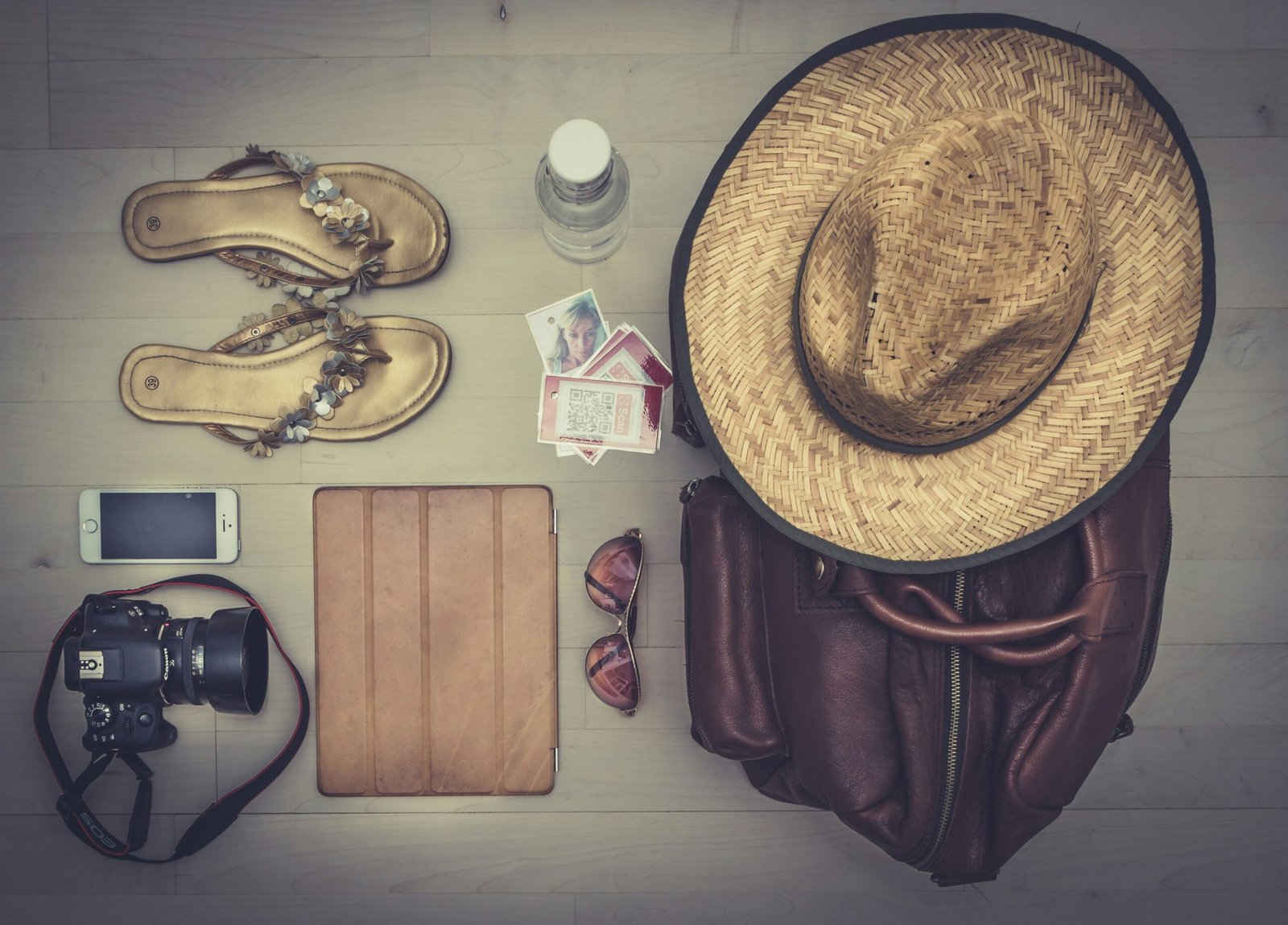
So, you’re looking to see the world without emptying your bank account? Smart move. Budget travel isn’t about deprivation; it’s about making clever choices that let you stretch your money further, experiencing more of what a place has to offer. The good news is, it’s totally doable. Let’s dive into some practical ways to make your travel dreams a reality, even on a tighter budget.
Getting to your destination is usually the biggest chunk of the travel budget, so getting this right is key. It’s not always about finding the absolute cheapest ticket, but the one that offers the best value for your specific needs and flexibility.
The Magic of Flexibility
- When to Fly: If your dates are set in stone, you’re already at a disadvantage. Traveling mid-week (Tuesdays and Wednesdays are often cheapest) can make a surprising difference compared to weekend flights. Shoulder seasons, the periods just before or after the peak tourist rush, offer a sweet spot of decent weather and lower prices. Think April/May and September/October in many European destinations, or the dry season shoulder months in Southeast Asia.
- Where to Fly: Sometimes, flying into a slightly less popular or secondary airport near your desired destination can save you a significant amount. Then, you can take a bus, train, or budget airline for the final leg. Websites like Skyscanner or Google Flights allow you to search for “nearby airports” to see these options.
Booking Strategies
- Incognito Mode is Your Friend (Maybe): While the jury’s out on how much it actually impacts prices, it doesn’t hurt to clear your cookies or browse in incognito/private mode. Some believe airlines use this data to show you higher prices if you repeatedly search for the same route.
- Set Price Alerts: Most flight search engines let you set up alerts for specific routes. You’ll get an email when the price drops, allowing you to pounce on a good deal. This is crucial for when prices fluctuate – and they will fluctuate.
- Consider Budget Airlines, But Read the Fine Print: Airlines like Ryanair, EasyJet, Spirit, or AirAsia can offer incredibly low base fares. However, they make their money on extras. Factor in the cost of checked baggage, carry-on baggage (even for small bags), seat selection, and even printing your boarding pass. Sometimes, the “cheap” ticket ends up being more expensive than a traditional carrier once all these add-ons are included.
- Look at Round-the-World Tickets or Multi-City Options: If you’re planning a longer, multi-destination trip, these can sometimes offer better value than booking individual legs separately. They require more planning but can be a fantastic way to see a lot.
The Art of the Layover
- Embrace Longer Layovers: While no one loves a 12-hour layover, sometimes these are what make a flight significantly cheaper. If it’s long enough (say, 6+ hours), you might even be able to leave the airport, grab some local food, and see a bit of the city for free or for the cost of transport. This is especially true for major hub airports.
- Consider Two One-Way Tickets: Don’t assume booking a round trip is always cheaper. Sometimes, booking two separate one-way tickets with different airlines can be more economical, especially if you’re flying into one city and out of another.
Accommodation: Beyond the Hotel Room
Your bed for the night doesn’t have to be a traditional hotel. There are plenty of options that can save you money and offer a more authentic experience.
Hostels: More Than Just Dorms
- Private Rooms Exist: Think hostels are just for backpackers in dorm rooms? Think again. Many hostels offer private rooms, sometimes with en-suite bathrooms, at a fraction of the cost of a hotel. They still offer the social atmosphere, shared kitchens, and organized activities that can save you money.
- Location, Location, Location: Hostels are often located in prime city center areas, meaning you’re walking distance to attractions, saving you on transport costs.
- Kitchen Facilities are Your Budget Savior: The number one way hostels help you save is with their communal kitchens. You can buy groceries from local markets and cook your own meals, dramatically cutting down on restaurant expenses.
Vacation Rentals & Apartments
- Airbnb and Beyond: Platforms like Airbnb, Vrbo, and local rental sites can be excellent for longer stays or for groups. Having a full kitchen and living space can feel more like home and allows for significant savings on food.
- Look for Local Deals: Don’t just stick to the big platforms. Sometimes, local property management websites or even just searching for “apartments for rent [city name]” can reveal hidden gems.
- Consider Location Carefully: While a cheap apartment might seem tempting, if it’s an hour outside the city center and requires expensive public transport or taxis, it might not be worth it. Weigh the accommodation cost against the daily transport expenses.
Couchsurfing and Home Swaps
- The Ultimate Budget Saver: Couchsurfing connects travelers with locals who offer a spare couch or room for free. It’s not just about free accommodation; it’s about cultural exchange and local insights. Be sure to read profiles and reviews carefully and be a respectful guest.
- Home Swapping for the Adventurous: If you own your home, consider a home swap. You stay in someone else’s home while they stay in yours. This eliminates accommodation costs entirely for both parties. Websites like HomeExchange and Love Home Swap facilitate this.
Unique Stays
- Camping and Glamping: For the outdoorsy types, camping can be incredibly cheap. Even glamping (glamorous camping) can be more affordable than hotels, offering a comfortable yet rustic experience.
- Farm Stays and Work Exchanges: Programs like Workaway or Worldpackers connect travelers with hosts offering accommodation and food in exchange for a few hours of work each day. This is a fantastic way to immerse yourself in a culture and travel for very little money.
Eating Smart: Savoring Flavors Without Overspending

Food is a huge part of travel, and you absolutely don’t need to eat at Michelin-starred restaurants every night to have amazing culinary experiences.
Embrace Local Markets and Street Food
- The Heart of Local Cuisine: Local markets are a treasure trove of fresh produce, local snacks, and often, incredibly affordable prepared foods. It’s a sensory experience and a great way to try authentic dishes.
- Street Food Savvy: Don’t shy away from street food vendors, especially in countries where it’s a way of life. Look for stalls that are busy with locals – a good indicator of quality and safety. Observe hygiene practices.
- Picnics and Self-Catering: Buy bread, cheese, fruit, and local delicacies from a market and enjoy a picnic in a park or with a scenic view. This is often far more memorable (and cheaper!) than a sit-down meal.
Savvy Restaurant Choices
- Lunch Specials are Your Best Friend: Many restaurants offer significantly cheaper lunch menus or “prix fixe” options compared to their dinner menus. This is a great way to try a restaurant’s signature dishes at a lower price.
- Look for “Menu del Día” or “Plat du Jour”: In many countries, daily set menus are a staple. These are often very affordable and offer a complete meal.
- Eat Like a Local, Not a Tourist: Venture away from the main tourist strips. Restaurants tucked away on side streets, a few blocks from the major attractions, are often cheaper and offer a more authentic dining experience.
- Portion Control (or Sharing): Some international portions can be huge. If you’re not a big eater, consider ordering one main dish and sharing it, or ordering a couple of appetizers instead of a full entrée.
The Power of Free Water
- Refillable Water Bottles: Carrying a reusable water bottle is a no-brainer. In many countries, tap water is safe to drink, or you can refill at designated stations or your accommodation. Buying bottled water repeatedly adds up quickly.
- Ask for Tap Water: In restaurants, don’t be afraid to ask for tap water (if it’s safe to drink). Some places might automatically bring bottled water, which is more expensive.

Once you’re at your destination, how you get around can significantly impact your budget. Expensive taxis can drain your funds faster than you can say “fare.”
Public Transportation is Your Pal
- Master the Local Bus and Train Systems: This is almost always the cheapest way to get around cities and even between towns. Invest a little time to figure out the routes, schedules, and ticketing systems.
- Consider Day or Multi-Day Passes: If you plan on doing a lot of sightseeing and using public transport frequently, a day pass or a multi-day pass can offer significant savings compared to buying individual tickets.
- Walk as Much as Possible: Walking is free, great for your health, and allows you to discover hidden gems you might otherwise miss. It’s also the best way to truly get a feel for a city.
Ride-Sharing Apps and Taxis
- Use Sparingly: While convenient, taxis and ride-sharing apps can be costly. Reserve them for situations where public transport isn’t an option, late at night, or when you’re carrying heavy luggage.
- Compare Apps: If using ride-sharing, have a couple of apps installed and compare prices before booking. Some may be cheaper in certain cities or at certain times.
Scooters, Bikes, and Other Options
- Bike-Sharing Schemes: Many cities have excellent bike-sharing programs that are very affordable for short trips. It’s a fun and efficient way to explore.
- Scooter Rentals: For exploring smaller towns or islands, scooter rentals can be a budget-friendly option. Ensure you have the correct license and insurance, and always wear a helmet.
Smart Spending: Little Habits, Big Savings
| Travel Hack | Description |
|---|---|
| Off-peak travel | Traveling during off-peak seasons can save money on flights and accommodations. |
| Travel rewards credit cards | Using credit cards that offer travel rewards can help save on flights and hotels. |
| Local transportation | Using public transportation or walking instead of taxis can save money while traveling. |
| Accommodation alternatives | Consider staying in hostels, guesthouses, or vacation rentals instead of hotels. |
| Meal planning | Preparing some meals yourself or eating at local markets can save money on food while traveling. |
Beyond flights, accommodation, and food, there are other ways to be mindful of your spending that add up to significant savings over a trip.
Activities and Sightseeing
- Free Walking Tours: These are a fantastic way to get an overview of a city. They operate on a tip basis, so you contribute what you feel the tour was worth and what you can afford.
- Free Museum Days and Hours: Many museums offer free admission on specific days or during certain hours. Research this in advance.
- Look for City Passes (with caution): Some cities offer tourist passes that include entry to multiple attractions. Do the math! If you only plan to visit a few of the included attractions, it might not be worth the cost. Calculate the individual entry fees for the places you definitely want to see and compare that to the pass price.
- Enjoy Parks, Beaches, and Local Life: Sometimes the best experiences are the ones that are free. Spend time in local parks, relax on beaches, or simply sit at a cafe and people-watch. These moments are often the most memorable.
Souvenirs: Be Thoughtful, Not Excessive
- Experiences Over Things: Instead of buying trinkets, consider experiences. A cooking class, a local craft workshop, or even a memorable meal can be a better “souvenir” than something that just gathers dust.
- Buy from Local Artisans: If you do want to buy souvenirs, seek out local markets or artisan shops where your money directly supports local communities, rather than mass-produced items.
- Take Photos Instead: Your camera roll is your best souvenir. Capture the memories.
Managing Money on the Go
- Use Fee-Free Debit/Credit Cards: Look for cards that don’t charge foreign transaction fees or ATM withdrawal fees. This can save you a surprising amount of money over a trip.
- Avoid Airport Currency Exchange: Airport exchange booths almost always offer the worst rates. Exchange money before you leave or withdraw from ATMs in your destination country (using your fee-free card).
- Set a Daily Budget: Before you go, set a realistic daily budget for food, activities, and local transport. Track your spending (even a simple note in your phone) to stay on track.
- Don’t Be Afraid to Say “No”: You don’t have to do every single paid activity or buy every single thing that’s offered to you. It’s okay to politely decline and stick to your budget.
Budget travel is about smart choices and a willingness to step slightly outside your comfort zone. By focusing on flexibility, research, and embracing local experiences, you can unlock incredible adventures without breaking the bank. Happy travels!








Pingback: Top 15 5-Star Hotels Near The Eiffel Tower With View – eplanna.com
Pingback: 5. Things to Do in London: 10 Things You Should Book Before You Fly – eplanna.com
Pingback: Things to Do in Ghana in Summer – eplanna.com