
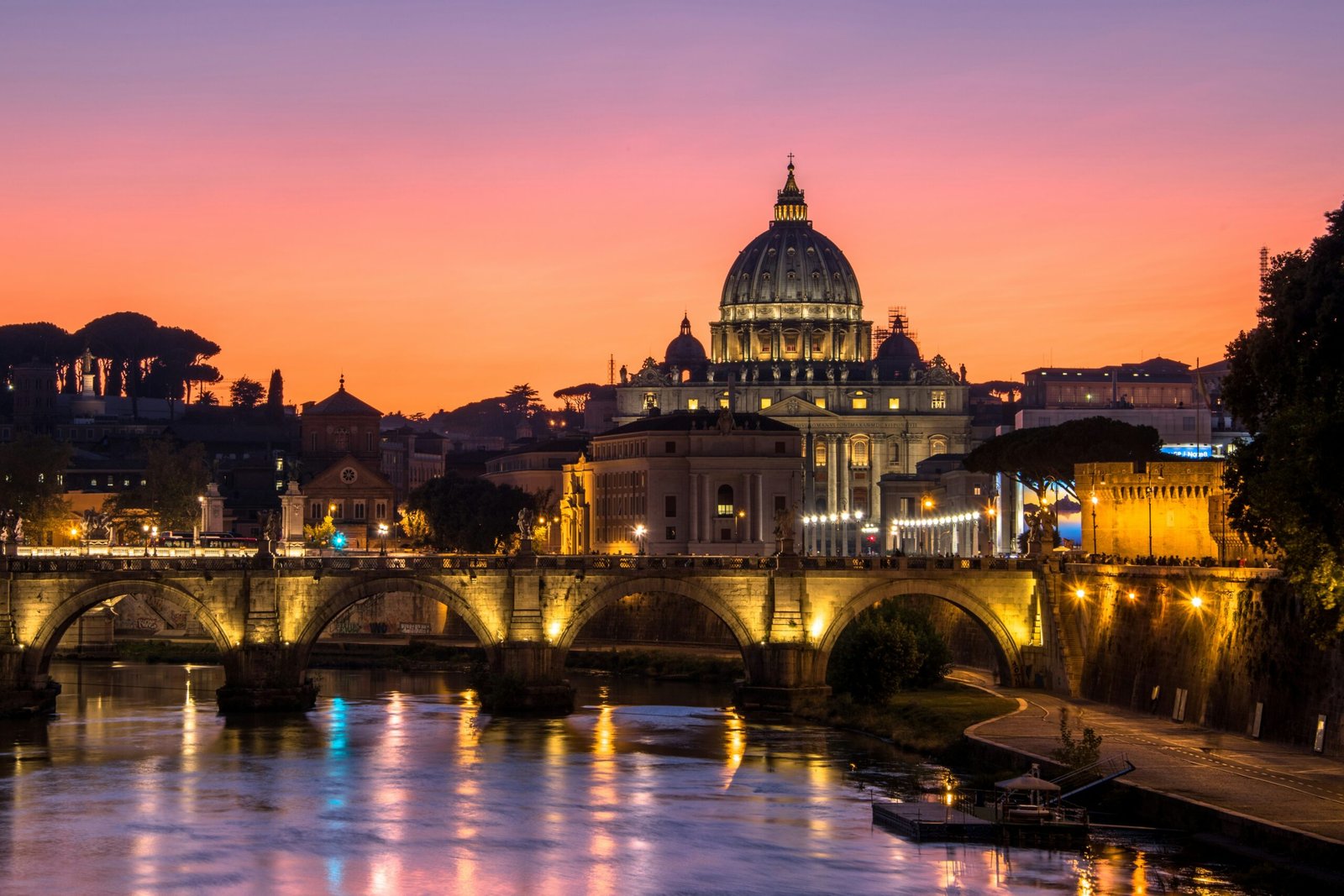
Booking a luxury hotel in Rome isn’t rocket science, but it does involve a bit more finesse than simply clicking the first five-star option you see. The key, in a nutshell, is to understand what truly defines “luxury” for you, then leverage a combination of direct bookings, specialized platforms, and potentially a good travel advisor to secure the best experience and value. Rome offers a vast array of high-end accommodations, from historic palaces to chic boutique stays, and knowing how to navigate this landscape will save you time, money, and potentially enhance your trip significantly.
Defining Your Roman Luxury
Before you even think about booking, take a moment to consider what “luxury” means to you in the context of a Roman holiday. Is it sprawling suites with city views? Michelin-starred dining on-site? Unparalleled historical ambiance? Or perhaps a modern spa and a tranquil retreat from the bustling streets? Rome has it all, but aligning your expectations with what’s available is crucial for satisfaction.
Understanding Luxury Tiers and Styles
Not all five-star hotels are created equal. You’ll find grand dame institutions, sleek contemporary designs, and intimate, privately owned gems.
Grand Dame Hotels
These are the iconic, often historic hotels that have been serving discerning travelers for decades, if not centuries. Think marble lobbies, opulent furnishings, white-glove service, and a sense of timeless elegance. They often boast prime locations, renowned restaurants, and an atmosphere steeped in history. Examples might include Hotel Hassler Roma at the top of the Spanish Steps or the St. Regis Rome. If you’re looking for classic, old-world glamour and impeccable, traditional service, these are your go-to.
Boutique Luxury
Rome also excels in boutique luxury. These hotels are typically smaller, more design-focused, and offer a more personalized, intimate experience. They might be housed in renovated historic buildings but feature contemporary interiors, unique art collections, and often a stronger sense of local character. Service here is usually highly attentive and tailored to individual guest preferences. Think Portrait Roma or The Fifteen Keys Hotel. If you prefer a more curated, stylish, and less formal luxury experience, explore boutique options.
Modern & Wellness-Oriented Stays
While less common than historic properties, Rome is increasingly seeing more modern luxury hotels, sometimes with a strong focus on wellness, spas, and contemporary amenities. These might appeal if you prioritize state-of-the-art facilities, a minimalist aesthetic, or a focus on health and relaxation amidst your sightseeing. However, be aware that ultra-modern architecture can be challenging to integrate into Rome’s historic fabric, so these might be slightly further out from the absolute city center.
Location, Location, Location
Rome is a very walkable city, but choosing the right neighborhood for your luxury stay can significantly impact your experience.
Spanish Steps/Via Condotti Area
This is arguably the most prestigious and fashionable district. You’re surrounded by high-end shopping, famous landmarks, and numerous excellent restaurants. Hotels here are typically grand and expensive, offering views and immediate access to the heart of Rome’s upscale scene. It’s vibrant and central, but can also be very busy with tourists.
Trevi Fountain/Pantheon Area
Another extremely central and historic option, placing you right amidst ancient wonders. The atmosphere here is enchanting, especially in the evenings when the crowds thin out slightly. Hotels tend to be a mix of larger luxury establishments and smaller, charming boutique properties tucked away on side streets. It’s lively and convenient for sightseeing.
Trastevere
For a more bohemian, yet still upscale, vibe, Trastevere offers a charming labyrinth of cobbled streets, excellent trattorias, and a lively nightlife. While slightly further from some major historical sites, it’s easily accessible and provides a more “local” feel. Luxury accommodations here might be boutique hotels or exquisite guesthouses. It offers a different kind of luxury – one rooted in atmosphere and authentic Roman life.
Vatican City/Prati
If your primary focus is the Vatican, or you prefer a slightly quieter, more residential area with elegant boulevards, Prati is a good choice. It’s well-connected by metro and offers a sophisticated ambiance. Hotels here can be excellent for those who appreciate a slightly calmer base after a day of exploration.
Monti
A hip, central neighborhood nestled between the Colosseum and the Roman Forum, Monti has a vibrant, youthful energy with independent boutiques, wine bars, and art studios. It offers a more authentic Roman experience with luxury hotels often housed in beautifully restored buildings. It’s a great blend of historic charm and contemporary cool.
When planning a luxurious stay in Rome, it’s essential to consider not only where to stay but also what to do in the city. For those looking to explore unique experiences without breaking the bank, you might find inspiration in this article on budget-friendly activities: Things to Do in Ghana Under $50. While it focuses on Ghana, the concept of enjoying enriching experiences at an affordable price can be applied to your Roman adventure, allowing you to balance luxury accommodations with memorable activities.
Researching Your Options

Once you have a clearer idea of your luxury preferences and desired neighborhood, it’s time to dive into detailed research. Don’t just rely on pretty pictures; dig deeper into reviews, amenities, and actual guest experiences.
Leverage Online Platforms Wisely
While large booking sites are convenient, they aren’t always the best for finding true luxury or the best deals on high-end properties. Use them as a starting point, not the end-all-be-all.
Booking.com & Expedia
These platforms offer a vast inventory and can be useful for initial browsing and comparing a wide range of luxury hotels. Pay close attention to guest reviews, particularly those that mention specific aspects of service, room quality, and noise levels. Filter by 5-star and then refine by location and specific amenities like “spa” or “fine dining.” However, remember that these platforms often take a commission, which can sometimes mean prices aren’t the absolute lowest, or that certain benefits aren’t included that you might get elsewhere.
TripAdvisor & Google Reviews
Crucial for understanding real guest experiences. Look beyond the overall star rating and read recent reviews carefully. Are there recurring complaints about service, cleanliness, or specific room types? Are there consistent raves about particular staff members or aspects of the hotel? These provide invaluable insights that go beyond marketing copy. Pay attention to photos uploaded by guests, as they often give a more realistic view than professional marketing shots.
Specialized Luxury Travel Sites
Platforms like Mr & Mrs Smith, Tablet Hotels, and Small Luxury Hotels of the World (SLH) curate collections of unique, high-end, and often boutique properties. These sites often have a stricter vetting process, ensuring a certain standard of luxury and design. They also frequently offer exclusive perks like room upgrades, breakfast, or resort credits when you book through them. These are excellent resources for discovering truly distinctive luxury stays.
Direct Booking Benefits
Always check the hotel’s official website. You might be surprised by the advantages of booking directly.
Best Rate Guarantees
Many luxury hotels offer a “best rate guarantee,” promising to match or beat any lower price you find elsewhere. It’s worth a quick check, especially if you’ve seen a slightly lower price on a third-party site.
Exclusive Perks & Packages
Direct bookings often come with exclusive benefits not available through third-party sites. This could include complimentary breakfast, early check-in/late check-out, spa credits, welcome amenities, or even a guaranteed room upgrade. These added values can significantly enhance your luxury experience and often make the direct price, even if slightly higher, a better overall deal. Hotels prefer direct bookings as they avoid commission fees, and they often pass some of those savings or benefits on to you.
Better Communication & Flexibility
If you need to make special requests (e.g., specific room numbers, dietary needs, connecting rooms) or if your travel plans are uncertain, booking directly often provides more direct access to the hotel staff. This can lead to smoother communication and greater flexibility in case of changes or cancellations.
Timing and Flexibility for Value

Luxury hotels in Rome, like anywhere desirable, command premium prices. However, with a bit of strategic timing and flexibility, you can often secure a better rate or more value.
Understanding Peak vs. Off-Peak Seasons
Rome has distinct tourist seasons, and hotel prices fluctuate accordingly.
High Season (Spring & Fall)
April to June and September to October are considered the high seasons. The weather is generally pleasant, and the city is bustling with tourists. Expect higher prices and more crowded attractions. If you plan to travel during these times, book well in advance (6-12 months for top-tier luxury) to secure your preferred hotel and potentially better rates.
Shoulder Season (March & November)
These months offer a good balance. The weather can be a bit unpredictable, but crowds are thinner, and prices are usually more reasonable than in peak season. You can often find excellent luxury deals during these times without sacrificing too much on the experience.
Low Season (Winter, excluding Christmas/New Year)
December (excluding the holiday rush), January, and February are the quietest months. While it can be chilly, Rome is still beautiful, and the lack of crowds can be a luxury in itself. Hotel prices are significantly lower, and you’re more likely to score upgrades or special packages. If you don’t mind the cooler temperatures, this is an excellent time for value-conscious luxury travelers.
Mid-Week vs. Weekend Stays
Often, luxury hotels in major cities cater to business travelers during the week and leisure travelers on weekends. In Rome, this dynamic can be a bit different, but generally, staying Sunday to Thursday might offer slightly lower rates than Friday and Saturday nights. Always compare prices across different days of the week if your schedule is flexible.
Last-Minute Deals (Use with Caution)
While not always reliable for luxury properties, sometimes hotels will offer last-minute discounts to fill unsold rooms, especially during slower periods. However, for highly sought-after luxury hotels, waiting until the last minute is a gamble and often results in higher prices or no availability for the best rooms. This strategy is better suited for less exclusive properties.
Leveraging Travel Advisors and Loyalty Programs
For truly bespoke luxury experiences or consistent travel, specialized resources can be invaluable.
The Value of a Luxury Travel Advisor
For high-end luxury travel, a good travel advisor can be an absolute game-changer. They aren’t just booking agents; they are experts with insider knowledge and connections.
Access to Exclusive Networks
Luxury travel advisors often have relationships with hotel general managers and access to “preferred partner” programs (like Virtuoso, Four Seasons Preferred Partner, Rosewood Elite, etc.). These programs offer benefits far beyond what you might find on public booking sites or even direct hotel websites. Think complimentary daily breakfast, significant room upgrades (often guaranteed at the time of booking), spa credits, welcome amenities, early check-in/late check-out, and often a personal welcome from the hotel staff. These perks can easily add hundreds, if not thousands, of dollars in value to your stay.
Personalized Recommendations
A good advisor will take the time to understand your specific preferences, travel style, and budget, then recommend hotels that genuinely align with your definition of luxury. They can guide you through the nuances of different properties and neighborhoods, helping you avoid a mismatch.
Troubleshooting & Support
If anything goes wrong during your stay (which, even at luxury hotels, can happen), your advisor acts as your advocate, working directly with the hotel to resolve issues efficiently, saving you stress and time.
Time Savings
Researching luxury hotels, comparing prices, and understanding all the potential perks can be incredibly time-consuming. An advisor handles all of this for you, presenting curated options and managing the booking process from start to finish.
Hotel Loyalty Programs
If you frequently stay with a particular luxury brand (e.g., Marriott Bonvoy, Hilton Honors, Hyatt Globalist), leverage their loyalty programs.
Earning and Redeeming Points
You can earn points on paid stays and then redeem them for free nights, often at significantly lower “cash” value than paying outright. This is particularly effective for high-end properties where a free night can be worth hundreds or even thousands of dollars.
Elite Status Benefits
Achieving elite status within these programs (through frequent stays or co-branded credit cards) unlocks valuable perks like complimentary room upgrades, free breakfast, lounge access, late check-out, and welcome amenities. These benefits can elevate an already luxurious stay to an even higher level. For instance, a Platinum or Titanium Elite with Marriott Bonvoy might receive guaranteed lounge access (with free food and drinks), free breakfast, and a high likelihood of a suite upgrade at participating hotels like The St. Regis Rome or The Rome Marriott Grand Hotel Flora.
Strategic Point Purchases
Occasionally, loyalty programs offer promotions for buying points. If you can purchase points during a sale and then redeem them for a luxury hotel stay, it can sometimes be more cost-effective than paying cash, especially if you’re just short of the points needed for a desired redemption.
When planning a luxurious stay in Rome, it’s essential to consider not just the hotel itself but also the surrounding attractions and amenities. For those who enjoy shopping, you might find it helpful to explore options near popular shopping districts. A related article that highlights some of the best hotels near Oxford Street can provide valuable insights into finding the perfect accommodation that suits your needs. You can read more about it here. This way, you can ensure that your luxurious experience in Rome is complemented by convenient access to shopping and entertainment.
Final Booking Considerations
Once you’ve narrowed down your choices and decided on your preferred booking method, a few final checks are always a good idea before hitting that “confirm” button.
Read the Fine Print
This isn’t the most glamorous part, but it’s essential for luxury travel.
Cancellation Policies
Luxury hotels often have stricter cancellation policies, sometimes requiring 7, 14, or even 30 days’ notice to avoid charges. Understand these terms fully, especially if your travel plans are subject to change. Look for flexible booking options if available.
Included Amenities
Double-check exactly what is included in your rate. Is breakfast included? Access to the spa? Wi-Fi? Airport transfers? Sometimes, what appears to be a slightly higher rate actually includes valuable amenities that would cost extra if booked separately, making it the better overall deal.
City Tax & Service Charges
Rome, like many Italian cities, levies a city tax (tassa di soggiorno) per person per night, which is usually paid directly to the hotel upon check-out and is not always included in the initial quoted price. Understand if this is already factored into your booking or if it will be an additional cost. Also, check for any mandatory service charges, though these are less common in Italy than in some other countries.
Special Requests and Personalization
Don’t be shy about making special requests, especially when booking a luxury hotel. This is where personalized service truly shines.
Prior to Arrival
Once your booking is confirmed, reach out to the hotel directly. If you’re celebrating a special occasion (anniversary, birthday, honeymoon), let them know. Many luxury hotels go above and beyond to make these events memorable with complimentary upgrades, amenities, or special touches. If you have specific room preferences (e.g., high floor, quiet room, specific view, feather-free pillows), communicate these well in advance. While not always guaranteed, luxury hotels strive to accommodate such requests to enhance your stay.
Arrival and During Your Stay
When you arrive, politely reiterate any requests. During your stay, don’t hesitate to engage with the concierge. A good luxury hotel concierge is a treasure trove of local knowledge and can secure difficult-to-get restaurant reservations, arrange private tours, or offer recommendations that elevate your Roman experience. They are there to make your stay seamless and extraordinary.
By following these practical steps, you’ll be well on your way to securing a truly memorable and luxurious hotel experience in the Eternal City, one that perfectly matches your vision of a Roman holiday. Buon viaggio!
FAQs
1. Can I book luxury hotels in Rome online?
Yes, many luxury hotels in Rome offer online booking options through their official websites or third-party booking platforms. You can easily browse through different hotels, check availability, and make reservations online.
2. What are some popular luxury hotels in Rome?
Some popular luxury hotels in Rome include The St. Regis Rome, Hotel Hassler Roma, Hotel Eden, Palazzo Manfredi – Relais & Chateaux, and J.K. Place Roma. These hotels are known for their exceptional service, elegant accommodations, and prime locations.
3. Is it recommended to book luxury hotels in Rome in advance?
It is highly recommended to book luxury hotels in Rome in advance, especially during peak tourist seasons like summer and major holidays. Booking in advance ensures that you secure your preferred room type and dates, and sometimes you can also benefit from early booking discounts.
4. What amenities can I expect at luxury hotels in Rome?
Luxury hotels in Rome typically offer a range of amenities such as fine dining restaurants, spa and wellness facilities, concierge services, luxurious room furnishings, and sometimes even rooftop terraces with panoramic views of the city. Some hotels may also provide additional services like guided tours or private car transfers.
5. Are there any special packages or deals available for booking luxury hotels in Rome?
Many luxury hotels in Rome offer special packages and deals throughout the year, including romantic getaways, family packages, spa retreats, and cultural experiences. It’s worth checking the hotel’s website or contacting them directly to inquire about any current promotions or exclusive offers.