
Locating Your Perfect Florentine Stay
Finding a hotel close to Florence’s incredible attractions isn’t as tricky as it might seem, but it does require a bit of savvy planning. The simplest way to pinpoint these ideal spots is to first identify the key attractions you absolutely want to see, then use online mapping tools and filter options on booking websites to zero in on accommodations within a walkable distance of those points of interest. It’s all about strategic searching, and we’ll break down exactly how to do that so you can spend less time commuting and more time soaking in the Renaissance.
When planning your trip to Florence, finding the perfect hotel near popular attractions can greatly enhance your experience. For additional travel tips, you might find the article on flight booking hacks particularly useful. It offers valuable insights on how to secure the best deals on flights, which can complement your hotel search and overall travel planning. You can read more about it here: Flight Booking Hacks.
Understanding Florence’s Layout and Key Areas

Florence, while a decent-sized city, has a remarkably concentrated historical center. Most of the iconic sights are within a relatively compact, walkable area, making it an excellent city for exploring on foot. Understanding the main districts will be your first step in narrowing down your hotel search.
The Duomo and Piazza della Signoria Area
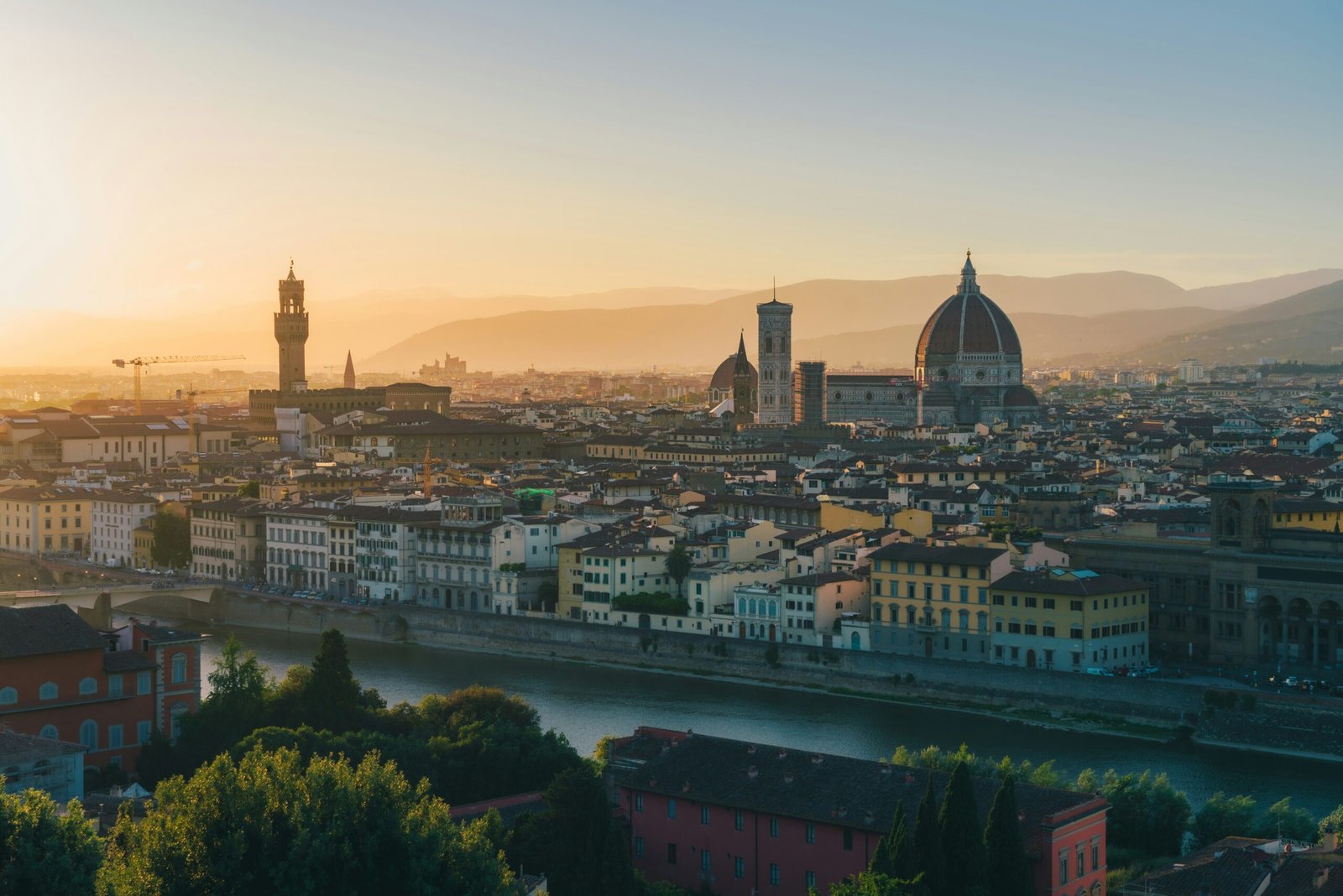
This is the beating heart of Florence, and consequently, often the most sought-after (and sometimes pricier) area for hotels. Staying here means you’re steps away from the Florence Cathedral (Duomo), Giotto’s Bell Tower, the Baptistery, and Piazza della Signoria with the Palazzo Vecchio and Uffizi Gallery. You’re truly in the thick of it here, with endless restaurants, shops, and cafes right outside your door. The convenience is unmatched, but so can be the noise, especially during peak tourist season. If you prioritize immediate access to the biggest sights and don’t mind a bustling atmosphere, this is your prime location.
Oltrarno District
Cross the Arno River via one of Florence’s famous bridges (like Ponte Vecchio or Ponte Santa Trinita) and you’re in Oltrarno. This district, literally meaning “beyond the Arno,” offers a slightly more local, artisanal vibe while still being incredibly close to the main attractions. It’s known for its workshops, artisan studios (especially leather and jewelry), and excellent trattorias. Here you’ll find the Pitti Palace, Boboli Gardens, and Santo Spirito Church. Hotels here can sometimes offer a bit more character and a slightly quieter experience than the areas directly around the Duomo, while still being a very easy walk to everything. It’s a fantastic compromise if you want to be central but with a touch more authenticity.
Santa Croce Area
East of the Duomo, the Santa Croce neighborhood centers around the Basilica di Santa Croce, the burial place of many famous Italians like Michelangelo, Galileo, and Machiavelli. This area offers a good mix of historical significance and a lively, local feel, particularly around the Sant’Ambrogio market. It’s still very much within walking distance of the Duomo and Uffizi, often offering slightly better value than the immediate Duomo area, especially if you venture a few blocks away from the basilica itself. You’ll find a good selection of restaurants and cafes, and it generally feels a little less tourist-heavy than the absolute core.
San Lorenzo and Santa Maria Novella
North and west of the Duomo respectively, these areas are often bundled together due to their proximity. San Lorenzo is home to the famous San Lorenzo Market (both indoor food market and outdoor leather goods stalls) and the Medici Chapels. Santa Maria Novella is anchored by the beautiful Basilica di Santa Maria Novella and is also where Florence’s main train station (Firenze Santa Maria Novella, or Firenze SMN) is located. Staying near the train station is incredibly convenient if you plan on day trips from Florence, and many hotels in this area cater to travelers looking for efficiency. While still central, these areas can sometimes feel a bit more utilitarian or business-oriented compared to the more charming districts, but you’re still only a 10-15 minute walk from the Duomo.
Other Notable Areas (Piazzale Michelangelo/Fiesole)
While not within the immediate walking radius of the historical center’s main sights, areas like Piazzale Michelangelo (known for its panoramic views of the city) or the hillside town of Fiesole offer different types of experiences. Hotels here will likely require bus or taxi travel to reach the Duomo and Uffizi, but they compensate with stunning views, tranquility, and often more space. These are best suited for those who prioritize views and peace over being in the thick of the action, or perhaps for a return visit where you want a different perspective.
Leveraging Online Tools for Hotel Search

Once you have a sense of the neighborhoods, it’s time to put those online booking platforms to work. They are incredibly powerful if you know how to use their features strategically.
Using Map Views and Filters Effectively
Almost all major booking websites (Booking.com, Expedia, Hotels.com, Airbnb, etc.) offer a map view. This is your best friend. Start by searching for Florence, then switch to the map. Most sites will allow you to either type in a specific landmark (like “Duomo, Florence” or “Uffizi Gallery”) or will show you clusters of hotels around the city center.
- Filter by Proximity: Many sites have a “distance from landmark” filter. Use this to set a maximum walking distance from your absolute must-see attraction. For example, if the Duomo is your priority, you might set a 0.5-mile or 1-kilometer radius. This will instantly narrow down your options significantly.
- Draw a Custom Area: Some advanced map interfaces allow you to draw a custom shape on the map, and only show hotels within that area. This is fantastic if you have a specific cluster of attractions in mind (e.g., Duomo, Uffizi, and Ponte Vecchio) and want to ensure you’re within that triangle.
- Price and Star Rating: After filtering by location, layer on your budget and desired star rating. This helps refine the list further. Don’t be afraid to adjust these if your initial search yields too few or too many options.
- Guest Reviews: Always, always check recent guest reviews, especially for comments about location specifics. Do people mention noise levels? Is it truly a short walk, or does it feel longer due to hills or cobblestones? Reviews can provide invaluable ground-level intelligence that maps can’t. Look for mentions of proximity to specific landmarks or bus stops if public transport is a consideration.
Direct Hotel Websites and Google Maps
While booking aggregators are great for initial discovery, don’t forget to check direct hotel websites. Sometimes they offer better deals or specific packages not available elsewhere.
Google Maps is another indispensable tool. After identifying a potential hotel on a booking site, paste its address into Google Maps. Then, use the “Directions” feature and switch to “Walking.” Input your target attractions (e.g., Duomo, Uffizi, Ponte Vecchio) as destinations. This will give you a precise walking time and route, allowing you to visually confirm how close it truly is and what the immediate surroundings look like via Street View. This visual check can help you avoid surprises like a busy road or an unattractive block.
Considering Different Types of Accommodations
Florence offers a diverse range of places to stay, from traditional hotels to unique apartments. Your choice here can also impact your proximity and overall experience.
Traditional Hotels
These range from grand five-star establishments to charming boutique hotels and more budget-friendly options. They typically offer services like daily housekeeping, front desk assistance, and often breakfast. Many of the larger, more established hotels are located in prime tourist areas, making them very convenient. Boutique hotels, often housed in historic buildings, can offer a more intimate and characterful experience, frequently found in slightly quieter but still central spots.
Bed & Breakfasts (B&Bs) and Guesthouses
B&Bs in Florence often provide a more personal touch. They are usually smaller, family-run establishments, sometimes occupying a floor or two of an historic palazzo. You often get a delicious breakfast, and the hosts can be a fantastic source of local tips and recommendations. Many B&Bs are strategically located within the historical center, offering excellent value and a more authentic feel than larger hotels. They can be particularly good for finding hidden gems near attractions.
Apartments and Vacation Rentals (e.g., Airbnb, Vrbo)
For longer stays, families, or those who prefer more space and the option to cook, apartments are an excellent choice. Platforms like Airbnb and Vrbo have a vast selection in Florence. The benefit here is that you can often find apartments tucked away on charming side streets, putting you literally next door to local life while still being a stone’s throw from major sights.
- Location specifics: When booking an apartment, pay very close attention to the exact address provided (or neighborhood if the address is not fully disclosed until booking). Use Google Maps to check the specific street and its proximity to your chosen attractions.
- Amenities: Ensure the apartment has all the amenities you need, especially air conditioning in the warmer months, as not all older buildings will have it.
- Check-in process: Understand the check-in process, as it’s often less structured than a hotel front desk.
Hostels
If you’re on a very tight budget or traveling solo and keen to meet other travelers, Florence has a good selection of hostels. Many modern hostels offer private rooms as well as dorms. They tend to be located slightly further from the absolute core attractions, but still within a very manageable walking distance or a short public transport ride. Check their specific location and reviews carefully, as proximity can vary wildly.
When planning your trip to Florence, it’s essential to find accommodations that are conveniently located near the city’s famous attractions. A great resource for travelers is an article that highlights the top things to do in Morocco, which can inspire you to explore similar experiences in Florence. You can read more about it here. By considering both your lodging options and the activities available, you can create a memorable itinerary that maximizes your time in this beautiful city.
Practical Tips for Your Florence Stay
Beyond simply finding a place, a few practical considerations can enhance your experience of staying near Florentine attractions.
Accessibility and Mobility
Florence’s historical center is predominantly flat, but many streets are cobblestone. If you have mobility issues, this is an important factor.
- Cobblestones: They are charming but can be tough on feet and wheels. Look for hotels on smoother streets if possible, or be prepared for uneven surfaces.
- Elevators/Lifts: Many historic buildings, especially smaller B&Bs or apartments, may not have elevators, or they might be very small and old. If stairs are an issue, explicitly confirm the presence and functionality of a lift with your accommodation.
- Traffic Restrictions (ZTL): Florence has a Zona a Traffico Limitato (ZTL), a limited traffic zone, covering most of the historical center. This means private cars are restricted during certain hours. If you’re driving, your hotel will need to register your license plate for access, or you’ll need to park outside the ZTL and walk or take public transport in. This won’t affect most tourists arriving by train or plane, but it’s crucial for those driving. Staying within the ZTL means you’re ideally placed for walking.
Noise Levels
Staying in the heart of Florence, particularly near major piazzas like Duomo or Piazza della Signoria, means you’ll be exposed to street noise, especially during the day and early evening. If you’re a light sleeper, consider:
- Asking for a room facing an inner courtyard: These rooms are often much quieter than those facing the street.
- Checking reviews for noise complaints: Past guests are usually very vocal about this.
- Staying a block or two away: Even a slight distance from the busiest squares can make a noticeable difference in noise levels without sacrificing much in terms of convenience. Oltrarno or slightly further into Santa Croce can be good alternatives for this reason.
Public Transportation
While Florence is highly walkable, knowing about the local ATAF bus system can be helpful for longer distances or tired feet.
- Bus Stops: When evaluating a hotel’s location, also note the proximity of bus stops. Google Maps is excellent for checking bus routes.
- Tickets: Tickets can be bought at tabaccherie (tobacco shops), newsstands, or sometimes directly on the bus (though often at a slightly higher price). Validate your ticket immediately upon boarding.
Booking in Advance
Florence is a perennially popular destination. Especially if you’re traveling during peak season (spring, early summer, fall) or around major holidays/events, booking your accommodation well in advance is highly recommended. This ensures you have the best selection of hotels in your desired locations and price range. Waiting until the last minute often means higher prices and less ideal locations.
Safety Considerations
Florence is generally a very safe city for tourists. However, like any popular destination, pickpocketing can be an issue in crowded areas, particularly around major attractions and on public transport.
- Be aware of your surroundings: Keep valuables secure and out of sight.
- Walking at night: The historical center is well-lit and usually bustling, making it safe for walking after dark. Stick to well-trafficked streets. If you’re staying in a quieter residential area, it’s always good practice to be a bit more cautious, but major issues are rare.
Making the Final Decision
After all your research and filtering, you’ll likely have a shortlist of hotels or apartments. Now it’s about weighing your personal priorities.
Prioritizing Your Must-Sees
If the Uffizi is your absolute top priority, and you plan to visit it multiple times or want to be there right when it opens, then being within a few minutes’ walk is paramount. If your interest is more varied, covering sights across different districts, then a central location that offers good access to multiple points is key.
Balancing Cost and Convenience
The most convenient locations are often the most expensive. Be prepared for this trade-off. Sometimes, moving just a few blocks away from the absolute epicenter can yield significant savings without adding much to your daily walking time. Is saving 50 Euros a night worth an extra 10-minute walk each way? Only you can answer that.
Your Travel Style
Are you an early bird who wants to be out exploring before the crowds, or do you prefer leisurely mornings? Do you enjoy returning to your hotel for a mid-day break, or do you power through? Your travel style should inform how close you need to be. If you plan to pop back to your room frequently, a very central spot is more important. If you’re out from morning to night, a slightly less central but well-connected location might be perfectly fine.
By methodically using these strategies, you’ll be well-equipped to find a fantastic hotel that puts you right where you want to be in Florence, ready to explore its timeless beauty with ease.
FAQs
1. How can I find hotels near attractions in Florence?
To find hotels near attractions in Florence, you can use online travel websites such as Booking.com, Expedia, or TripAdvisor. These websites allow you to search for hotels based on their proximity to specific attractions in the city.
2. What are some popular attractions in Florence to consider when booking a hotel?
Popular attractions in Florence to consider when booking a hotel include the Uffizi Gallery, Ponte Vecchio, Florence Cathedral (Duomo), Piazza della Signoria, and the Accademia Gallery where Michelangelo’s David is housed.
3. Is it recommended to stay near the historic center of Florence?
Yes, it is highly recommended to stay near the historic center of Florence as it will allow you easy access to the city’s main attractions, restaurants, and shops. Staying in this area will also give you a true feel of the city’s charm and beauty.
4. How far in advance should I book a hotel near attractions in Florence?
It is recommended to book a hotel near attractions in Florence as far in advance as possible, especially during peak tourist seasons. Booking early will ensure that you have a wider selection of hotels to choose from and better chances of securing a room near your desired attractions.
5. Are there any budget-friendly hotel options near attractions in Florence?
Yes, there are budget-friendly hotel options near attractions in Florence. You can find affordable accommodations by looking for guesthouses, hostels, or budget hotels in the city. Additionally, booking in advance and being flexible with your travel dates can help you find good deals on accommodations near attractions.