
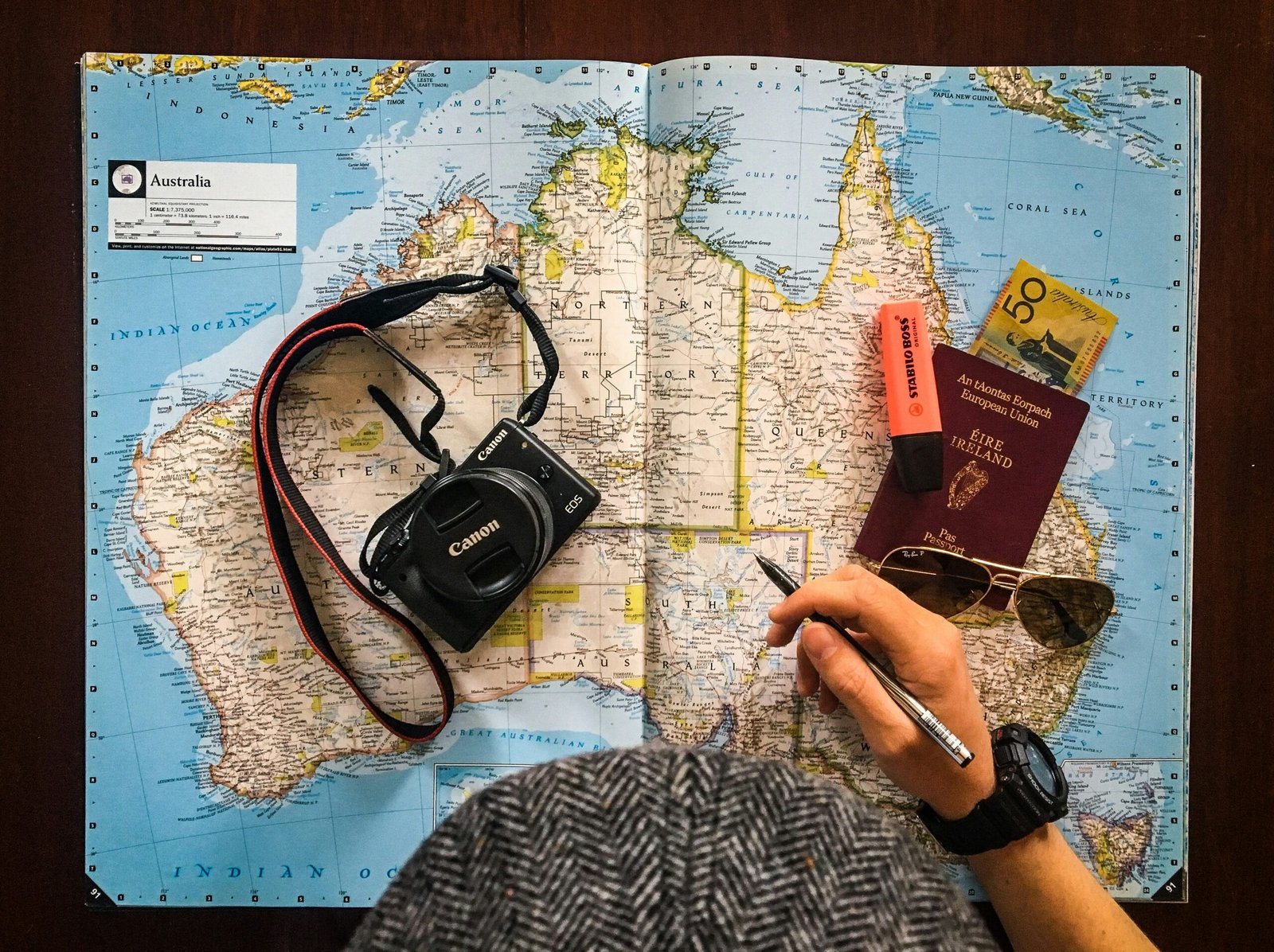
Planning a trip, whether it’s a quick weekend getaway or a grand adventure, can feel a bit overwhelming. But it doesn’t have to be! The best way to make your travel smoother and more enjoyable is to be prepared and have a few smart strategies up your sleeve. This guide is all about sharing practical tips and tricks to help you navigate your journeys with less stress and more fun.
Getting things sorted before you even leave your doorstep can save you a lot of headaches down the line. It’s not about over-planning every single minute, but rather laying a solid foundation.
Research, Research, Research
Before you book anything, spend some time getting to know your destination. This isn’t just about what sights to see, but also about the practicalities.
Understanding Local Customs and Etiquette
A little bit of cultural awareness goes a long way. Knowing how to greet people, what’s considered polite or impolite, or even appropriate dress codes can prevent awkward situations and show respect for the local culture. For example, in some countries, it’s rude to point with your finger, while in others, showing the sole of your foot is offensive. A quick search for “cultural etiquette in [your destination]” can provide valuable insights.
Climate and Weather Expectations
Pack smart by knowing what kind of weather to expect. A quick check of average temperatures and rainfall for your travel dates can make a huge difference in your comfort. Don’t just look at the current forecast a week out; understand the typical climate for that time of year. This helps you decide between a heavy coat or just a light jacket, or whether you’ll need waterproof gear.
Local Transportation Options
How will you get around once you’re there? Researching public transport (buses, trains, subways), ride-sharing services, or the cost of taxis can help you budget and plan your daily routes. Some cities offer travel passes that save money if you plan on using public transport frequently. Knowing if you need local currency for public transport or if contactless payments are widely accepted is also useful.
Smart Booking Strategies
Booking flights and accommodation can feel like a game of chance. Here’s how to tilt the odds in your favor.
Flexibility is Key for Flights
If your travel dates are flexible, you can often snag better deals. Tuesdays, Wednesdays, and Saturdays are often cheaper days to fly. Consider flying into or out of smaller, alternative airports near your main destination, as these can sometimes offer significantly lower fares. Using flight comparison websites like Google Flights or Skyscanner with their “flexible dates” or “anywhere” options can reveal surprising bargains. Also, try searching for flights in “incognito” mode in your browser to avoid dynamic pricing based on your search history.
Accommodation Beyond Hotels
While hotels are convenient, they’re not your only option. Consider guesthouses, hostels (many offer private rooms with en-suite bathrooms now), vacation rentals (like Airbnb or Vrbo), or even house-sitting. These can offer more space, a kitchen to save on food costs, or a more authentic local experience. Read reviews carefully before booking, no matter the type of accommodation.
Booking Activities in Advance
For popular attractions, tours, or events, booking ahead can save you time and sometimes money. Many places offer online discounts, and booking ahead ensures you don’t miss out due to sold-out dates, especially during peak season. This also allows you to factor these costs into your budget early on.
Packing Like a Pro: Efficiency and Essentials
The goal here is to have everything you need without feeling like you’re lugging around your whole house.
The Art of the Carry-On
If possible, try to travel with just a carry-on. It saves time at the airport (no waiting for checked bags) and reduces the risk of lost luggage.
Roll, Don’t Fold
Rolling your clothes tightly can save a surprising amount of space and also help prevent wrinkles. It also makes it easier to see all your items at a glance when you open your suitcase.
Layering is Your Friend
Instead of bulky items, pack versatile layers. A t-shirt, a long-sleeve shirt, a fleece, and a waterproof shell can be combined in various ways to suit different temperatures, taking up less space than a single heavy coat.
Essential Toiletries and Medications
Only take what you absolutely need in travel-sized containers. If you use specific prescription medication, keep it in your carry-on with a copy of your prescription, especially for international travel. Don’t forget basic pain relievers, motion sickness medication if you need it, and any personal hygiene items that might be hard to find at your destination.
Beyond the Clothes: Smart Additions
A few non-clothing items can make a big difference in comfort and convenience.
Universal Adapter and Power Bank
If you’re traveling internationally, a universal travel adapter is a must. And in today’s world, a fully charged power bank is invaluable for keeping your phone, camera, and other devices alive throughout long days of exploring.
Reusable Water Bottle and Bag
Staying hydrated is important, and a reusable water bottle helps you do that sustainably. Many airports now have water refill stations. A small, foldable reusable shopping bag is also handy for groceries, souvenirs, or carrying your daily essentials.
Small First-Aid Kit
A tiny kit with band-aids, antiseptic wipes, pain relievers, and any personal medications can be a lifesaver for minor scrapes, headaches, or upset stomachs when you’re on the go. You don’t want to waste precious travel time hunting for a pharmacy for a simple blister.
While You’re There: Making the Most of It

You’ve arrived! Now it’s about enjoying your trip without unnecessary stress.
Money Matters: Smart Spending
How you handle your money can impact your travel experience significantly.
Inform Your Bank
Let your bank know your travel dates and destinations to avoid your cards being flagged for suspicious activity and potentially blocked. A quick call or online notification usually does the trick.
Use Credit/Debit Cards Wisely
Look for cards that offer no foreign transaction fees. While it’s good to have some local currency for small purchases, using a card can often give you a better exchange rate than currency exchange booths. Always choose to be charged in the local currency when using your card abroad (Dynamic Currency Conversion can lead to worse rates).
Carry Some Local Cash
Even with cards, it’s wise to have a small amount of local currency for taxis, small vendors, tips, or in case your card isn’t accepted everywhere. Know what denominations are commonly used.
Staying Connected and Safe
Keeping in touch and being aware of your surroundings are crucial.
Local SIM Card or eSIM
Instead of relying on expensive international roaming, consider buying a local SIM card upon arrival or using an eSIM service. This can provide much cheaper data and local calls, making navigation, research, and communication much easier. Make sure your phone is unlocked before you travel if you plan to use a physical SIM.
Share Your Itinerary
Let a trusted friend or family member know your general itinerary, especially if you’re traveling solo. This provides peace of mind for both you and them.
Be Aware of Your Surroundings
This isn’t about paranoia, but common sense. Keep an eye on your belongings, especially in crowded areas. Be wary of overly friendly strangers offering unsolicited help or directions. Trust your gut feeling; if a situation feels off, it probably is. Avoid walking alone in poorly lit or unfamiliar areas at night.
Food and Drink: A Taste of the Local

Exploring local cuisine is a huge part of travel. Here’s how to do it smartly.
Embrace Local Flavors
Don’t be afraid to step out of your comfort zone and try local dishes. This is often where you find the most authentic and memorable culinary experiences.
Eat Where the Locals Eat
If you see a restaurant or cafe packed with locals, it’s usually a good sign. These places often offer better food at more reasonable prices than tourist traps. Don’t be afraid to venture a few blocks away from the main tourist squares.
Street Food Adventures
Street food can be a delicious and affordable way to sample local cuisine. Look for vendors with long lines or those that prepare food fresh in front of you. Observe basic hygiene – do they wear gloves? Is the food kept hot or cold as appropriate?
Stay Hydrated and Be Mindful of Water
Especially in warmer climates, drink plenty of water. If tap water isn’t safe to drink in your destination, stick to bottled water, or use a water purification bottle. Be cautious with ice in drinks if you’re unsure about the water source.
| Travel Tips & Tricks |
|---|
| 1. Pack light and smart |
| 2. Research local customs and etiquette |
| 3. Use packing cubes to stay organized |
| 4. Stay hydrated and eat well |
| 5. Keep important documents safe |
Even with the best planning, sometimes things don’t go as expected. Having a plan for these moments can make them less stressful.
Dealing with Delays and Cancellations
These are almost an inevitable part of travel.
Know Your Rights
Familiarize yourself with passenger rights for airlines and other transport providers, especially for international flights. Many jurisdictions have rules about compensation for significant delays or cancellations.
Stay Calm and Proactive
If your flight is delayed or canceled, try to remain calm. Head to the airline’s customer service desk or, if lines are long, try calling their customer service line simultaneously. Sometimes tweeting at the airline can also get a quick response. Look for alternative flights yourself through apps before approaching the agent; you might have a solution ready.
Travel Insurance is Your Friend
Consider travel insurance. It can cover a wide range of issues, from medical emergencies and lost luggage to trip cancellations and delays. Read the policy carefully to understand what is and isn’t covered.
Lost or Stolen Items
It’s an unfortunate possibility, but being prepared can help.
Digitize Important Documents
Keep digital copies of your passport, visa, tickets, and other important documents on your phone, in a cloud service, and/or email them to yourself. This makes it easier to replace them if the originals are lost or stolen.
Report Theft Immediately
If something is stolen, report it to the local police as soon as possible. You’ll likely need a police report for any insurance claims.
Separate Your Valuables
Don’t keep all your money, cards, and important documents in one place. Spread them out in different bags or pockets so that if one item is lost or stolen, you don’t lose everything. A money belt or a secure inner pocket can be useful for essential items.
Traveling should be an exciting and enriching experience, not a source of stress. By taking a bit of time to prepare, being mindful of your surroundings, and staying flexible, you can navigate the world with greater ease and truly enjoy every moment of your adventure. Happy travels!








Pingback: How To Book Business Hotels In Guangzhou