The first time I set foot in Kumasi, it was a sensory explosion. The air hummed with a vibrant energy, a symphony of street vendors hawking their wares, the rhythmic clang of metalworkers, and the melodic cadence of Twi spoken all around me. I’d heard tales of the Garden City, of its rich history and the warmth of its people, but nothing truly prepared me for the immersive experience that awaited. Kumasi is not a city you simply visit; it’s a city you feel, you taste, you breathe. It’s a place where tradition and modernity dance a fascinating waltz, and where every corner holds a story waiting to be discovered. If you find yourself in this remarkable part of Ghana, as I have been fortunate enough to do, prepare yourself for an adventure that will linger in your memory long after you’ve departed.
My initial explorations naturally gravitated towards the historical core of Kumasi, the seat of the mighty Asante Empire. This is where the pulse of the kingdom beats strongest, and understanding its past is key to appreciating its present.
Manhyia Palace Museum: A Royal Glimpse
Stepping into the Manhyia Palace Museum felt like walking through a portal to another era. This former residence of the Asantehene, the king of the Asante people, is now a treasure trove of artifacts, royal regalia, and poignant reminders of the kingdom’s illustrious past. I spent hours marveling at the intricate gold jewelry, the ceremonial swords, and the photographs that chronicled generations of Asante rulers. The sheer opulence and craftsmanship on display were breathtaking. It’s not just about the physical objects; it’s the stories they tell, the sacrifices made, and the power wielded. I found myself particularly drawn to the exhibits detailing the wars of independence and the resilience of the Asante people in the face of colonial pressures. The guides, often descendants of palace staff, brought the history to life with personal anecdotes and a palpable sense of pride. It’s a must-visit for anyone wanting to grasp the essence of Kumasi.
The Golden Stools and their Significance
The Golden Stool is arguably the most sacred symbol of the Asante people, and while the actual stool is not on public display (for very good reason!), its significance permeates every aspect of the museum’s narrative. Learning about its creation story, its role in uniting the Asante clans, and its symbolic representation of the nation’s soul was a profoundly humbling experience. It’s more than just an object; it’s the very embodiment of their collective identity and spirit.
Royal Audiences and Ceremonial Attire
The displays of ceremonial attire were another highlight. The vibrant kente cloth, woven with such intricate patterns and imbued with deep meaning, was a feast for the eyes. I learned how different colors and motifs carry specific messages, and how the attire worn during royal ceremonies is a visual language in itself, communicating status, occasion, and even emotions. Imagining the Asantehene adorned in these magnificent garments, presiding over important gatherings, truly transported me back in time.
Fort Kumasi: Echoes of Colonial Encounters
Another crucial historical landmark is Fort Kumasi. This imposing structure, built by the British in the late 19th century, stands as a stark reminder of the colonial era and the conflicts that defined it. Walking through its ramparts, I could almost hear the echoes of past battles and feel the weight of the history that transpired within its walls.
The Kumasi Fort Museum: Artifacts of Conflict and Coexistence
The fort itself now houses a museum that showcases artifacts related to the Anglo-Asante wars. It’s a somber but important experience, offering a different perspective on the kingdom’s history, one that acknowledges the struggles and the eventual negotiation of power. I saw remnants of weaponry, photographs of colonial officials, and accounts of the tumultuous relationships between the Asante and the British. It’s a powerful testament to the resilience and diplomatic prowess of the Asante leadership.
Strategic Importance and Architectural Significance
Beyond the historical exhibits, the fort’s architecture itself is noteworthy. Its strategic location, overlooking the city, speaks volumes about its intended purpose. Standing on the battlements, I could appreciate the foresight of its builders and the commanding views it offered. It’s a place where you can contemplate the complexities of history and the forces that shaped modern Ghana.
If you’re planning a visit to Kumasi, you might also be interested in exploring luxurious accommodations nearby. For a unique experience, check out this article on 15 Luxury Hotels Near Buckingham Palace with Balcony, which highlights some of the best places to stay while enjoying breathtaking views and top-notch amenities. Whether you’re looking for a relaxing getaway or an adventure-filled trip, having the right base can enhance your experience in Kumasi and beyond.
Immersing Myself in Kumasi’s Vibrant Markets
No visit to Kumasi is complete without plunging headfirst into its bustling markets. These are not just places to shop; they are the vibrant heartbeats of the city, where daily life unfolds in a riot of colors, sounds, and aromas.
Kejetia Market: A Labyrinth of Delights
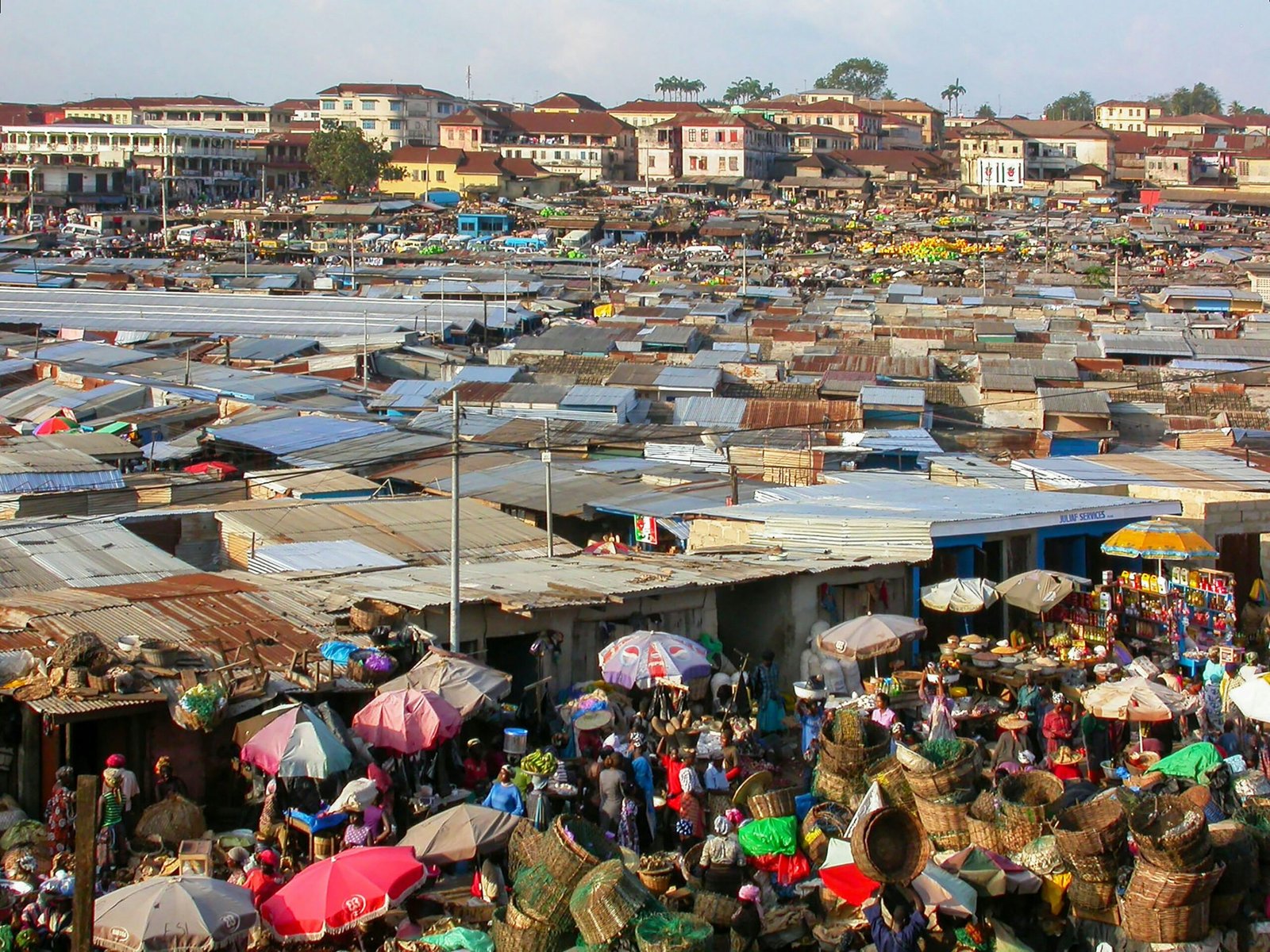
Kejetia Market is legendary, and for good reason. It’s one of the largest open-air markets in West Africa, a sprawling, chaotic, yet utterly captivating labyrinth that can easily swallow you whole. I remember my first foray into Kejetia; it was an overwhelming yet exhilarating experience. The sheer scale of it is astonishing. Stalls overflow with everything imaginable: mountains of fresh produce, vibrant textiles, intricate handicrafts, gleaming metalwork, spices that perfume the air, and a seemingly endless supply of clothing and household goods.
Navigating the Sensory Overload
My advice to anyone venturing into Kejetia is to embrace the sensory overload. Let the sights, sounds, and smells wash over you. Haggle with the friendly vendors (it’s part of the experience!), try the local street food – the grilled plantains and the spicy groundnut soup are divine – and get lost in the organized chaos. It’s a place where you can find unique souvenirs, witness the daily grind of Ghanaian commerce, and truly connect with the local culture.
The Art of Bargaining and Local Delicacies
I quickly learned that bargaining is an essential skill. It’s not about being aggressive, but about engaging in a friendly negotiation. A smile, a bit of humor, and a genuine interest in the product go a long way. And the food! I sampled so many delicious things, from freshly squeezed fruit juices to savory snacks. Trying the local delicacies is a culinary adventure in itself.
Adum Market: A More Refined Experience
While Kejetia is the king of Kumasi’s markets, Adum offers a slightly different, perhaps more curated, experience. It’s still bustling, but generally a bit more organized and with a focus on specific goods.
Textiles and Tailoring: A Weaver’s Paradise
Adum is particularly renowned for its textiles. I spent a delightful afternoon browsing through stalls overflowing with kente cloth, fugu (a woven smock), and other traditional fabrics. I even found a tailor who expertly crafted a custom-made shirt for me from a beautiful kente fabric – a truly memorable souvenir. The skill and artistry of the weavers and tailors are remarkable.
Handicrafts and Souvenirs: Treasures to Take Home
This market is also a great place to find authentic handicrafts. From carved wooden masks and figurines to intricate beadwork and leather goods, there are treasures to be found for every taste and budget. I found some beautiful wooden calabashes that I later used as decorative pieces in my home, each one a tangible reminder of my time in Kumasi.
Embracing Kumasi’s Cultural Richness

Beyond its historical sites and bustling markets, Kumasi offers a deep dive into the rich cultural tapestry of Ghana. I found so many ways to connect with the local arts, traditions, and way of life.
The National Cultural Centre: A Hub of Artistic Expression
The National Cultural Centre is a fantastic place to experience the artistic soul of Kumasi. It’s a complex that houses several workshops and galleries, showcasing a wide array of traditional crafts and performing arts.
Wood Carving and Craftsmanship
I was mesmerized by the skill of the woodcarvers. They transform raw blocks of wood into intricate statues, furniture, and decorative items with incredible precision and artistry. Watching them work, their hands moving with a practiced grace, was a lesson in dedication and talent. I bought a beautifully carved stool that now holds pride of place in my living room.
Bead Making and Jewellery: Adornments of Tradition
The bead-making workshops were equally fascinating. I learned about the different types of beads used in Ghanaian jewellery, their symbolic meanings, and the intricate techniques employed to create stunning necklaces, bracelets, and earrings. The vibrant colors and intricate designs were a testament to the creativity of the local artisans.
Traditional Dance and Music Performances
The cultural centre also often hosts traditional dance and music performances. While I wasn’t always lucky enough to catch a live show, I did see some promotional materials and heard recordings that gave me a taste of the energetic and captivating rhythms of Asante music and dance. These performances are not just entertainment; they are a vital way of preserving and celebrating cultural heritage.
The Cultural Fabrics of Ghana: Kente and Beyond
Kente cloth is synonymous with Ghana, and in Kumasi, you can delve deeper into its fascinating world.
The History and Symbolism of Kente
Learning about the history of Kente weaving, its origins, and the complex meanings embedded within its patterns was a revelation. Each color, each motif, tells a story. It’s not just fabric; it’s a language woven into threads. Understanding this gave me a new appreciation for the garments I saw and the people who wore them.
Opportunities for Hands-On Experience
Some cultural centres and workshops offer opportunities for visitors to try their hand at weaving. While my attempt at weaving a few threads was far from masterful, it provided a hands-on understanding of the immense skill and patience required to create these beautiful textiles. It was a humbling and rewarding experience.
Exploring Kumasi’s Natural Beauty and Green Spaces

Despite its urban dynamism, Kumasi also offers pockets of tranquility and natural beauty. As the “Garden City,” it certainly lives up to its name.
The Okomfo Anokye Sword Site: A Symbol of Unity
This site commemorates the legendary sword that was planted in the ground by Okomfo Anokye, the spiritual leader who helped found the Asante Empire. It is said that the sword cannot be removed, symbolizing the unbreakable spirit of the Asante people.
Historical and Spiritual Significance
Standing at this site, I felt a profound sense of history and spirituality. It’s a place where the past and the present converge, and where the enduring legacy of the Asante Kingdom is palpable. The stories surrounding the sword are deeply ingrained in the local folklore, and understanding them provides valuable insight into the cultural beliefs of the region.
Serene Surroundings and Reflective Atmosphere
The grounds around the sword site are often well-maintained and offer a peaceful atmosphere for reflection. It’s a place where you can escape the hustle and bustle of the city and connect with a more contemplative side of Kumasi.
The Boabeng-Fiema Monkey Sanctuary: A Unique Encounter
A day trip from Kumasi took me to the Boabeng-Fiema Monkey Sanctuary, a truly unique and enchanting experience. This sanctuary is home to a population of Mona monkeys and Colobus monkeys, who are revered by the local communities.
Respect for Wildlife and Local Traditions
What struck me most about the sanctuary was the deep respect the local people have for these primates. They are considered sacred, and harming them is strictly forbidden. This harmonious coexistence between humans and wildlife is a beautiful testament to the cultural values of the area.
Guided Walks and Monkey Encounters
I joined a guided walk through the forest, and within minutes, playful monkeys were swinging through the trees, curious and unafraid. It was an incredible opportunity to observe them in their natural habitat, interacting with each other and with us. The guides were knowledgeable, sharing insights into the monkeys’ behavior and their role in local folklore.
If you’re planning a trip to Kumasi, you might also be interested in exploring other travel destinations. For example, you can find some great suggestions in a related article that highlights essential activities in London. This guide offers insights into the top attractions and experiences you shouldn’t miss, making it a valuable resource for any traveler. To learn more about these exciting opportunities, check out the article on things to do in London.
Savoring the Flavors of Kumasi
My culinary journey through Kumasi was as vibrant and diverse as the city itself. Ghanaian cuisine is hearty, flavorful, and often spiced to perfection.
Traditional Ghanaian Delicacies: A Taste of Home
I made it my mission to sample as many traditional dishes as possible, and I was never disappointed.
Fufu and Soup: A Staple Delight
Fufu, a pounded dough made from cassava and plantain, is a staple in Ghanaian cuisine. Served with a rich, flavorful soup – often groundnut soup, light soup, or soup made with palm nut – it’s a truly satisfying and comforting meal. The act of eating fufu with your hands, skillfully tearing off pieces and dipping them into the soup, is an experience in itself.
Banku and Tilapia: A Popular Pairing
Banku, a fermented corn and cassava dough, is another popular accompaniment, often served with grilled tilapia, a delicious and readily available fish. The combination of the slightly tangy banku and the savory fish, often seasoned with local spices, is a culinary masterpiece.
Jollof Rice and Waakye: Flavorful Rice Dishes
I also fell in love with Jollof rice, a fragrant rice dish cooked in a rich tomato-based sauce, and Waakye, a flavorful rice and beans dish. Both are incredibly versatile and can be enjoyed with a variety of meats and sides.
Street Food Adventures: Culinary Delights on the Go
Kumasi’s street food scene is a foodie’s paradise. From grilled meats and plantains to sweet treats and refreshing beverages, there’s always something delicious to discover.
Grilled Plantains and Kebabs: Savory Snacks
The grilled plantains, often seasoned with a hint of chili, are an irresistible snack. The street-side kebab vendors also offer a tantalizing array of marinated and grilled meats, perfect for a quick and satisfying bite.
Fresh Juices and Local Beverages: Thirst Quenchers
To combat the tropical heat, I indulged in the array of freshly squeezed fruit juices – from sweet mango and pineapple to tangy passion fruit. Local beverages like “sobolo” (hibiscus drink) are also refreshing and unique.
If you’re planning a trip to Kumasi, you might also be interested in exploring some helpful tips for booking accommodations. A great resource is an article that offers insightful hotel booking hacks, which can help you find the best deals and ensure a comfortable stay. To learn more about these strategies, check out this informative piece on hotel booking hacks. This can enhance your travel experience as you discover the vibrant culture and attractions of Kumasi.
While the main attractions are undoubtedly worth exploring, I found that some of my most cherished memories were made when I ventured slightly off the beaten path.
Local Neighbourhoods and Daily Life
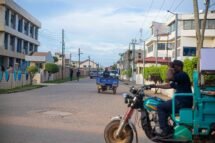
Simply wandering through local neighbourhoods, observing the daily rhythm of life, offered a genuine glimpse into the soul of Kumasi. I saw children playing football in dusty courtyards, women expertly carrying bundles on their heads, and men gathered in lively discussion. These moments, often unplanned, provided a sense of connection and authenticity.
Engaging with Locals: The Warmth of Asante Hospitality
The people of Kumasi are renowned for their warmth and hospitality, and I experienced this firsthand. A simple greeting often led to engaging conversations, offers of assistance, and invitations to share a meal. The genuine kindness and openness of the Asante people are truly remarkable.
Uncovering Artisanal Workshops
Beyond the main cultural centre, I stumbled upon smaller, independent artisanal workshops tucked away in quieter streets. These places often offered a more intimate view of the creative process and a chance to interact directly with the artisans. I discovered a small workshop where a master craftsman was meticulously carving wooden masks, each one a unique work of art.
Kumasi is a city that rewards exploration and curiosity. It’s a place where every interaction, every sight, and every taste contributes to a rich and unforgettable experience. As I reflect on my time there, I feel a profound sense of gratitude for the opportunity to have immersed myself in its vibrant culture, its captivating history, and the boundless warmth of its people. It’s a city that has etched itself onto my heart, and I eagerly anticipate the day I can return to uncover even more of its hidden treasures.