
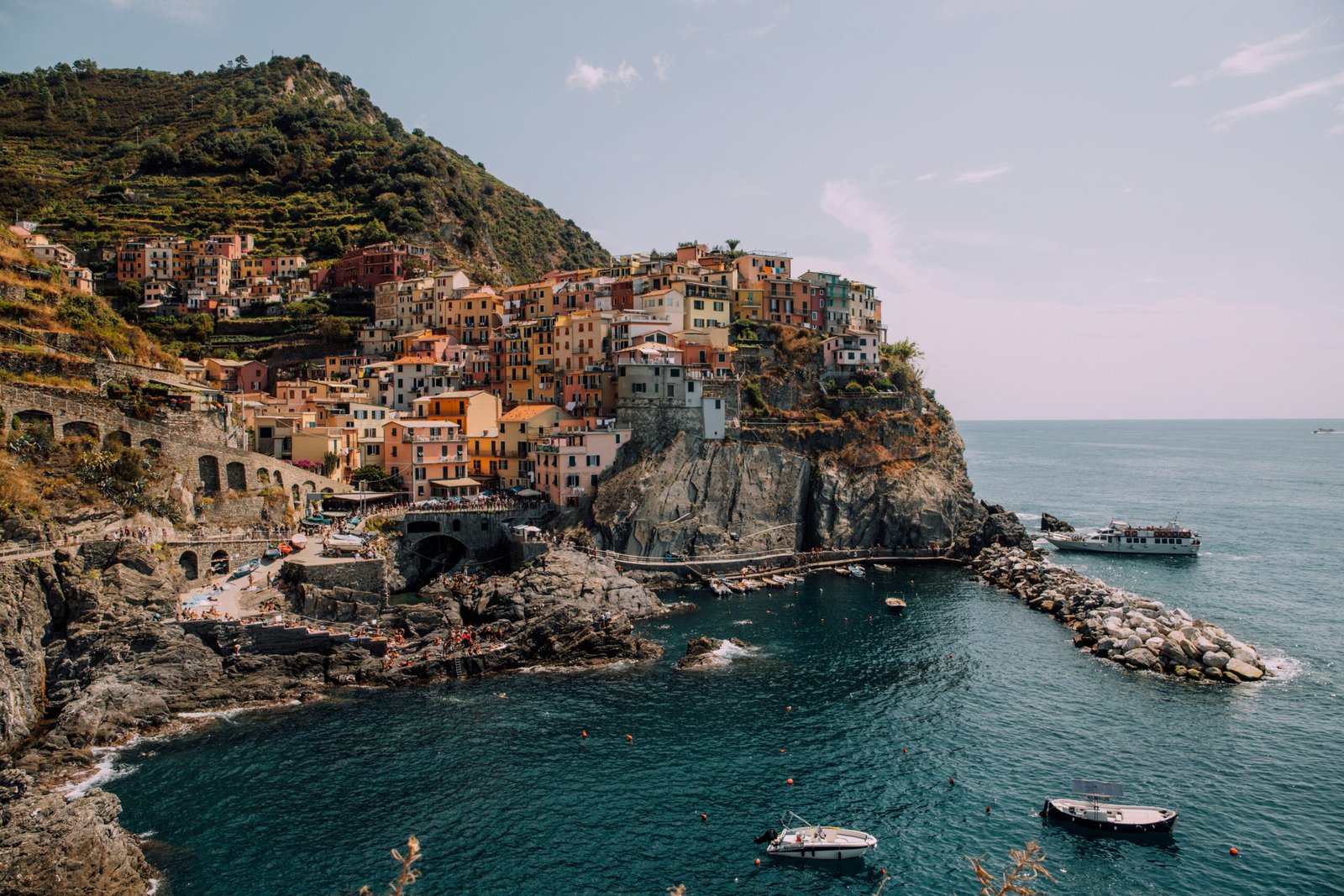
Italy is absolutely doable on a budget, and you don’t have to sacrifice a great experience to make it happen. The key is smart planning and making intentional choices about how you spend your money. It’s not about being super restrictive, but rather about prioritizing what’s important to you and finding clever ways to save on the rest. You can definitely enjoy the food, culture, and beauty of Italy without breaking the bank.
Getting There Without Breaking the Bank
Your flight to Italy can often be the biggest single expense, so locking down a good deal here sets the tone for your whole budget. Flexibility and timing are your best friends.
Smart Flight Booking Strategies
Don’t just jump on the first flight you see. There’s a bit of an art to finding affordable airfare.
Flying Off-Season
The shoulder seasons – late spring (April-May) and early fall (September-October) – are often your sweet spot. The weather is still lovely, but tourist crowds are thinner, and critically, flight prices tend to be lower than in peak summer. Winter, especially outside of ski resorts and major holiday periods, can be even cheaper, though some coastal areas or smaller towns might be very quiet.
Being Flexible with Dates and Airports
If you can be a bit flexible with your travel dates, even by a day or two, you might see significant savings. Flight prices can vary wildly depending on the day of the week; Tuesdays, Wednesdays, and Saturdays often offer better deals. Also, consider flying into smaller airports near major cities. For example, instead of Milan Malpensa (MXP), look at Bergamo (BGY) if you’re heading to that region, or even Bologna (BLQ) for central Italy and then taking a train. Use flight comparison sites with “flexible dates” or “nearby airports” options.
Budget Airlines and Layover Logistics
Once you’re in Europe, budget airlines like Ryanair, EasyJet, and Wizz Air can be incredibly cheap for internal flights. Just be aware of their baggage policies and hidden fees; what looks like a €20 flight can quickly become €70 if you need to check a bag. For your transatlantic flight, sometimes booking a flight to a major European hub (like London, Paris, or Amsterdam) and then a separate budget flight to Italy can be cheaper than a direct flight, but remember to factor in potential layover times and the risk of delays.
If you’re looking for ways to enjoy your travels without breaking the bank, consider reading the article on budget accommodations in Paris. It provides a comprehensive list of affordable hotels that can help you save money while exploring the City of Light. For more tips on budget-friendly travel, check out this article on top 15 budget hotels in Paris city centre.
Smart Accommodation Choices

Where you sleep can heavily impact your daily budget. Luckily, Italy offers a range of options beyond pricey hotels.
Hostels and Guesthouses
Hostels aren’t just for young backpackers anymore. Many offer private rooms with en-suite bathrooms that are much more affordable than traditional hotels. They often have communal kitchens, which is a huge bonus for saving on food costs. Guesthouses (affittacamere or B&Bs) are also excellent choices, often run by local families, providing a more personal touch and good value. Look for places slightly outside the absolute city center; a short walk or metro ride can save you a lot.
Agriturismo Stays
If you’re exploring the Italian countryside, an agriturismo is a fantastic and unique option. These are working farms that offer accommodation, often including meals prepared with their own produce. They provide an authentic experience, are usually great value, and the food is typically outstanding and locally sourced. It’s a wonderful way to immerse yourself in rural Italian life and save money on dining.
Airbnb and Apartment Rentals
Renting an apartment, especially if you’re traveling with a small group or staying for a week or more, can be very cost-effective. Having access to a kitchen means you can cook some of your meals, which is a major budget saver. Airbnb, Booking.com (which also lists apartments), and local rental sites are good places to search. Always check reviews carefully and be aware of any cleaning fees or service charges.
Location, Location, Location (for your wallet)
Choosing accommodation just outside the most central, tourist-heavy zones can lead to significant savings. A neighborhood that’s a 15-20 minute walk or a quick metro ride from the main attractions will likely be cheaper and might even give you a more authentic local experience. Do some research on public transport options from your potential lodging to ensure it’s still convenient.
Savvy Eating & Drinking

Food is one of the greatest pleasures of Italy, and you absolutely don’t need to skimp on quality to stay within budget. It’s all about making smart choices.
Mastering Mealtime Savings
Don’t fall into the trap of eating every meal in tourist-trap restaurants.
Picnics and Supermarket Finds
Italy’s supermarkets (supermercati) are a treasure trove for budget travelers. You can pick up fresh bread, cured meats (prosciutto, salame), cheeses (pecorino, mozzarella), olives, fresh fruit, and a bottle of local wine for a fraction of what a restaurant meal would cost. Find a beautiful park or piazza, and enjoy an al fresco picnic. It’s an experience in itself! Local markets (mercato) are even better for fresh produce and specialty items.
“Menu del Giorno” and Aperitivo
Many restaurants, especially for lunch, offer a “menu del giorno” or “pranzo di lavoro” (worker’s lunch). This is a fixed-price menu, usually including a pasta dish, a main course, a side, and sometimes water or wine, at a significantly lower price than ordering à la carte. It’s a fantastic way to try quality Italian food without overspending.
In the early evening (roughly 6-9 PM), many bars offer “aperitivo.” You buy a drink (often an Aperol Spritz or local wine), and it comes with a spread of free snacks – everything from olives and chips to small pizzas, pasta salads, and bruschetta. Sometimes, this can be substantial enough to serve as a light dinner, particularly in larger cities. Just be aware that some places offer a proper buffet, while others just give you a small plate of nibbles.
Avoiding Tourist Traps
Generally, restaurants right next to major attractions will be more expensive and might not offer the best quality. Wander a few blocks away into side streets to find more authentic and better-value eateries. Look for places frequented by locals – always a good sign! Also, be aware of “coperto” (cover charge) and “servizio” (service charge). These should be listed on the menu. A coperto is per person, while servizio is usually a percentage of the bill. It’s normal to pay these, but it’s good to be aware they exist.
Coffee and Gelato on a Budget
Indulging in Italy’s famous coffee and gelato doesn’t have to be expensive.
The Art of the Standing Coffee
Ordering coffee “al banco” (at the bar) is significantly cheaper than sitting at a table. A cappuccino can cost €1.50-€2 standing, but €4-€6 at a table in a prime location. It’s a quick, efficient, and very Italian way to enjoy your coffee.
Savvy Gelato Choices
Look for “gelateria artigianale” – artisanal gelato shops. These usually have fewer, more natural colors, and often keep their gelato in covered metal tins (pozzetti) rather than huge, overflowing displays (which often indicate artificial ingredients). Opt for smaller cones or cups (cono/coppa piccola) if you’re just looking for a taste. A small gelato is usually €2.50-€3.50, which is a perfect treat.
Getting Around Affordably
Transportation costs can add up quickly, but Italy’s infrastructure allows for budget-friendly movement.
Efficient Inter-City Travel
Italy has an excellent and affordable public transport network connecting its major cities and towns.
Trains are Your Friend
Trenitalia (Italy’s national railway company) and Italo (a private high-speed operator) offer extensive services. Booking train tickets in advance, especially for high-speed routes (Frecce trains), can lead to significant savings with “Super Economy” or “Economy” fares. For regional trains (Regionale), booking in advance isn’t as critical, as prices are fixed, but it’s still good practice. These regional trains are slower but connect smaller towns and are very budget-friendly. Remember to validate your regional train tickets before boarding by stamping them in the green/yellow machines at the platform.
Buses for Smaller Towns
For destinations not easily reached by train, or for cheaper options between cities, buses are a good alternative. Companies like FlixBus and local regional bus lines can offer very competitive fares. Research routes and book online where possible for the best deals.
Navigating Cities on a Dime
Once you’re in a city, you don’t need taxis or ride-shares for everything.
Walking Everywhere
Many Italian cities are incredibly walkable. Rome, Florence, Venice – you can cover a huge amount on foot. This not only saves money but also allows you to stumble upon hidden gems you might otherwise miss. Wear comfortable shoes!
Public Transportation Passes
For larger cities like Rome, Milan, or Naples, consider purchasing a multi-day public transport pass if you plan to use buses, trams, or metros frequently. These are often much better value than buying single tickets every time. Tickets can usually be bought at newsstands (edicola), tobacco shops (tabaccheria), or metro stations. Remember to validate your ticket when you board.
Bike Rentals
In some cities, particularly those with flatter terrain like Ferrara, Bologna, or even parts of Florence, renting a bike for a day can be a fun and inexpensive way to explore. Many hostels and local shops offer rentals.
If you’re looking for more tips on how to save money while traveling, you might find it helpful to check out an article that offers a variety of money-saving travel tips. This resource can complement your plans for staying in Italy on a budget by providing insights on affordable accommodations, dining options, and activities. For more information, you can read the article here: money-saving travel tips.
Enjoying Italian Culture & Sights Without Overspending
Experiencing Italy’s rich history and art doesn’t have to mean buying expensive tickets for everything.
Free and Low-Cost Attractions
Many of Italy’s greatest treasures are free to enjoy or have affordable alternatives.
Churches and Piazzas
Most churches in Italy, including magnificent cathedrals, are free to enter. While there might be a small fee to access specific areas like domes or crypts, simply walking in and admiring the architecture, art, and atmosphere is usually free. Spend time in the countless beautiful piazzas (squares) – they are living museums, perfect for people-watching and soaking up the local vibe.
Walking Tours and Self-Guided Exploration
Look for free walking tours (often tip-based) in major cities. They are a great way to get an overview of a city and learn some history without a hefty cost. Alternatively, grab a good guidebook or use a free walking tour app and explore on your own. Many cities have free museums on the first Sunday of the month (check specific museum websites) or offer discounted entry on certain days.
Parks and Gardens
Italy has numerous stunning public parks and gardens that are free to enter. Think of the Boboli Gardens in Florence (some sections are free), Villa Borghese in Rome, or the botanical gardens in many cities. They offer a peaceful escape and beautiful scenery.
Smart Museum and Sightseeing Strategies
For the must-see paid attractions, a little planning goes a long way.
Booking in Advance and City Passes
For popular attractions like the Colosseum, Vatican Museums, or Uffizi Gallery, booking tickets online well in advance is crucial, not just to save money (sometimes, but not always), but to avoid long queues, which can waste precious travel time. Research city passes (e.g., Roma Pass, Florence Card). Do the math to see if they genuinely save you money based on the attractions you plan to visit and the duration of your stay. Often, if you’re not planning to visit many major museums in a short period, individual tickets might be cheaper.
Student/Youth Discounts and Family Deals
If you’re a student, always carry your student ID (especially an international one like an ISIC card); many attractions offer discounted entry. Some museums also offer reduced fares for EU citizens under 25 or over 65. Families should also inquire about family tickets, which can be more economical than buying individual passes.
Experiencing Local Life
Some of the most memorable and budget-friendly experiences come from simply observing and participating in local life.
Local Markets and Festivals
Wander through local food markets; they’re a feast for the senses and often where you’ll find the best deals on fresh produce and regional specialties. Check if any local festivals (sagre) or religious celebrations are happening during your visit – these are often free, culturally rich, and a lot of fun.
Taking Advantage of Free Events
Keep an eye out for free concerts, exhibitions, or cultural events. Local tourism offices and online city guides are good resources for finding out what’s happening during your stay. Sometimes just sitting in a piazza and enjoying a free concert or street performer is all the entertainment you need.
By keeping these practical tips in mind, you’ll find that Italy is incredibly accessible on a budget. It’s about making conscious choices, embracing local habits, and enjoying the journey without feeling deprived. Buon viaggio!
FAQs
1. Can I find affordable accommodation options in Italy?
Yes, there are various budget-friendly accommodation options in Italy such as hostels, guesthouses, and agriturismos. You can also consider renting an apartment or using platforms like Airbnb for more affordable stays.
2. What are some ways to save money on food while staying in Italy?
To save money on food in Italy, you can opt for local markets and grocery stores to buy fresh produce and ingredients for cooking. Additionally, eating at local trattorias and avoiding touristy restaurants can help you save money while enjoying authentic Italian cuisine.
3. Are there any tips for saving on transportation costs in Italy?
One way to save on transportation costs in Italy is by using regional trains or buses instead of high-speed trains. Consider purchasing a regional pass if you plan to travel within a specific area. Walking or renting a bike can also be cost-effective ways to explore cities and towns.
4. How can I visit popular tourist attractions in Italy without breaking the bank?
To visit popular tourist attractions in Italy on a budget, consider purchasing city passes or combination tickets that offer discounts on multiple attractions. It’s also advisable to book tickets in advance online to avoid long queues and potentially save money on entrance fees.
5. What are some free or low-cost activities to enjoy in Italy?
In Italy, you can enjoy various free or low-cost activities such as visiting public parks, exploring historic neighborhoods, attending local festivals or events, and taking advantage of free museum days. Many cities also offer walking tours or guided visits at affordable prices.