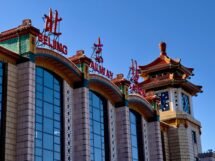

Finding the right hotel for your business trip in China can feel like a puzzle, especially if it’s your first time. The good news is, it’s totally manageable once you know what to look for. Generally, you’ll want to balance location, amenities, and cost, keeping in mind that some Chinese cities are vast and public transport, while improving, can be time-consuming. Understanding what your priorities are will make the search much smoother.
China’s hotel scene is a mix of familiar international brands, solid domestic chains, and a growing number of boutique and independent options. For business travelers, the key is to find a place that supports your work and makes your stay as convenient as possible. Think about where your meetings are located, how you’ll get around, and what services you’ll need to stay productive.
Key Considerations for Business Stays
When you’re planning a business trip to China, a few things should be at the forefront of your mind. It’s not just about a comfortable bed; it’s about functionality and efficiency.
Location, Location, Location
This is probably the most critical factor. Are your meetings in a central business district? Near an industrial zone? Close to an airport or train station? China’s cities are enormous. A short distance on a map can translate to a lengthy taxi ride or multiple subway transfers. Identifying the specific areas you’ll be spending the most time in will significantly narrow down your hotel search. Consider proximity to your primary points of interest and also to essential services like ATMs, pharmacies, and decent dining options. If you have multiple meetings spread across a city, you might even consider splitting your stay between different hotels if it saves significant travel time.
Connectivity and Business Facilities
For business travelers, reliable Wi-Fi is non-negotiable. Most hotels catering to international guests will offer it, but the speed and stability can vary. Look for hotels that explicitly mention high-speed internet or business centers. A business center can be a lifesaver for last-minute printing, scanning, or even a quiet place to take a call. Some hotels also offer meeting rooms, which can be incredibly useful if you need to host a small client meeting on-site. Think about the type of workspace you’ll need in your room, too. A well-lit desk with ample power outlets is a small detail that makes a big difference.
Transportation Access
How will you get to and from your hotel and your meetings? Proximity to subway stations is a major plus. The metro systems in most major Chinese cities are extensive, efficient, and a great way to avoid traffic. If you’ll be relying on taxis, check if your hotel is in an area where taxis are readily available or if they have a good arrangement with taxi companies. Airport or train station transfers are also worth considering, especially if you have an early flight or late arrival. Some hotels offer shuttle services, which can be more convenient and sometimes more economical than taxis.
Visa and Entry Requirements
While not directly related to finding a hotel, it’s crucial to be aware of visa requirements for China. Depending on your nationality and the purpose of your visit, you’ll need to apply for the appropriate visa in advance. Hotels will often require you to present your passport and visa upon check-in, so ensure all your documentation is in order. Some hotels might also ask for your foreigner registration form, which is a requirement for all foreign visitors staying in China.
Language Considerations
While major international hotel chains will have English-speaking staff, especially at the front desk, it’s not always guaranteed in smaller or more local establishments. If you’re not comfortable with Mandarin, sticking to reputable international brands or hotels known for their international guest services is a safer bet. Having a translation app on your phone can also be a helpful backup.
When planning business travel in China, finding the right hotel can significantly enhance your experience and productivity. For those interested in luxury accommodations, you might also want to explore options in other major cities around the world. A related article that highlights some exquisite choices is titled “15 Luxury Hotels Near the Big Ben Within Walking Distance,” which provides insights into upscale lodging in London. You can read more about it here: 15 Luxury Hotels Near the Big Ben Walking Distance.
Choosing the Right Hotel Brand and Type

The hotel you choose can significantly impact your business trip experience. China offers a spectrum of options, from global giants to sophisticated local players.
International Chains: The Familiar Comfort Zone
For many business travelers, sticking with familiar international hotel brands is the easiest route. They often offer a consistent level of service, amenities, and, crucially for many, a language that you’re comfortable with.
The Usual Suspects: Marriott, Hilton, IHG, Accor
Brands like Marriott International (including Ritz-Carlton, St. Regis, JW Marriott, Sheraton, Renaissance), Hilton Worldwide (Hilton, Conrad, DoubleTree), InterContinental Hotels Group (InterContinental, Crowne Plaza, Holiday Inn), and Accor (Sofitel, Pullman, Novotel) are widely present in major Chinese cities. These hotels typically provide reliable Wi-Fi, business centers, well-equipped rooms, and often have executive lounges for frequent guests. They are usually located in prime business districts or near transportation hubs. The booking process is generally straightforward, and you can often leverage loyalty programs for points and benefits.
Loyalty Programs and Benefits
If you’re a frequent traveler, leveraging loyalty programs can provide significant advantages. Many international hotel chains have extensive loyalty programs that offer benefits such as free stays, room upgrades, late check-out, and access to executive lounges. Accumulating points on business trips can translate into perks for future leisure travel or even upgrades on your next business assignment.
Domestic Chains: Exploring Local Excellence
China has developed its own strong hotel brands that often offer excellent value and a deep understanding of the local market.
Jin Jiang and Huazhu: Dominant Players
Jin Jiang International Hotels and Huazhu Group (which operates brands like Hanting, Home Inn, and Orange Hotel) are two of the largest hotel groups in China. Hanting and Home Inn are often more budget-friendly, focusing on essential services and clean, comfortable rooms. Orange Hotel and other brands under Huazhu tend to be more upscale, with better amenities and design. Jin Jiang also has a range of properties, from more basic to luxurious. These chains are excellent options for experiencing local hospitality and can be very cost-effective, especially outside of the absolute prime city centers. While English proficiency might be lower than in international chains, they are increasingly catering to foreign guests.
Boutique and Independent Hotels
Beyond the major chains, there’s a burgeoning market for boutique and independent hotels, particularly in cities like Shanghai, Beijing, and Chengdu. These can offer unique design, personalized service, and a more local flavor. However, research is key here, as quality and services can vary significantly. Booking platforms like Ctrip (now Trip.com) are invaluable for discovering and reviewing these types of properties.
Booking Your Accommodation: Tools and Tactics

The way you book your hotel can make a difference in price, convenience, and the information available to you.
Online Travel Agencies (OTAs) for China
Online travel agencies are your best friends when searching for hotels in China. They aggregate options from various brands and provide a wealth of information.
Trip.com (formerly Ctrip)
Trip.com is the undisputed king of travel bookings in China. It’s the go-to platform for both domestic and international travelers. You’ll find an extensive range of hotels, from budget guesthouses to luxury international brands. The site offers detailed descriptions, numerous user reviews (often in English), high-quality photos, and competitive pricing. It also has a good app that’s very useful for managing bookings and checking in. For business travel, its robust search filters for amenities like Wi-Fi, business centers, and proximity to specific locations are invaluable.
Other International Platforms
While Trip.com is dominant, you can still use international platforms like Booking.com and Agoda. However, their selection and pricing for hotels within mainland China might not always be as comprehensive or competitive as Trip.com. It’s always worth cross-referencing prices.
Direct Bookings and Loyalty Programs
Sometimes, booking directly with the hotel can offer benefits.
Hotel Websites and Apps
If you have a preferred hotel brand, checking their official website or app is always a good idea. You might find exclusive deals, packages, or be able to earn loyalty points directly. For example, if you’re a member of Marriott Bonvoy, booking through Marriott’s site will ensure you earn points and receive any elite benefits you’re entitled to. This can be particularly useful if you have specific requests or need to ensure certain services are available.
Navigating Payment
Chinese hotels, especially those catering to international travelers, generally accept major international credit cards (Visa, Mastercard, American Express). However, it’s always a good idea to confirm this when booking. Increasingly, mobile payment systems like Alipay and WeChat Pay are becoming dominant in China. While you might not use them for booking directly if you’re a foreign visitor, some hotels might encourage their use for ancillary services during your stay. Ensure you have a payment method that’s widely accepted.
Essential Amenities and Services for Business Travelers
Beyond just a room, certain amenities can make or break a business trip.
Staying Connected and Productive
In today’s world, being able to work from your hotel room is crucial.
Reliable Internet Access
As mentioned earlier, this is paramount. Don’t assume all hotels offer blazing-fast Wi-Fi. Look for explicit mentions of “high-speed” or “complimentary Wi-Fi.” Some hotels might charge for premium internet speeds, so check the details. If you have critical video calls planned, you might want to read recent reviews to gauge internet performance. Having a portable Wi-Fi hotspot as a backup can also be a smart move, though be mindful of data roaming charges or the need to purchase a local SIM card.
Workspace and Power Outlets
A comfortable and functional workspace is a must. This means a well-lit desk, a comfortable chair, and crucially, sufficient power outlets. Hotels catering to international business travelers usually have a good number of outlets, often including universal sockets. However, it’s always wise to pack a universal travel adapter, just in case. Some rooms might have more outlets than others, so if you can, choose a room that looks well-suited for work.
On-site Facilities for Convenience
These are the extra touches that can streamline your trip.
Business Centers and Meeting Rooms
If you need to print documents, scan, or fax, a business center is essential. Some hotels also offer meeting rooms, which can be booked by the hour or day. This is incredibly convenient if you need to hold a small, informal meeting without venturing out. Check the hotel’s website or call to inquire about the availability and cost of these services.
Fitness Centers and Dining
While not strictly for business, a good fitness center can help you de-stress and maintain your routine. For dining, consider the hotel’s own restaurants for convenience, especially for breakfast or late-night meals. However, exploring local eateries near your hotel can also be a rewarding experience, often offering more authentic and diverse culinary options. Many hotels also offer room service, which is a lifesaver after a long day of meetings.
Concierge and Translation Services
A helpful concierge can assist with everything from booking transportation to recommending local restaurants. If language is a barrier, inquire if the hotel offers any translation services or if staff are proficient in English. While front desk staff in international hotels are usually English speakers, having someone who can assist with more complex requests can be very beneficial.
When planning business travel in China, finding the right hotel can significantly impact your overall experience. A helpful resource that offers insights into selecting accommodations is an article that discusses the top hotels near popular attractions, which can be beneficial for those looking to balance work and leisure. For instance, you might want to check out this article on top hotels near Notre Dame, as it provides valuable information on hotels that are conveniently located for both business and sightseeing.
Practical Tips for Your Stay
Beyond booking, a few practicalities can make your business trip smoother.
Navigating Local Customs and Etiquette
Understanding basic local customs can enhance your interactions and avoid misunderstandings.
Business Card Exchange
Exchanging business cards (名片, míngpiàn) is a very important ritual in China. Always have plenty of your cards on hand, ideally printed with your name and company in both English and Mandarin. When receiving a card, take a moment to read it carefully, ideally with both hands. This shows respect. Avoid writing on it immediately or stuffing it into your pocket without looking.
Punctuality and Meetings
Punctuality is highly valued in Chinese business culture. Aim to arrive a few minutes early for all meetings. Be prepared for meetings to run on schedule, but also be aware that informal discussions might extend beyond the planned agenda.
Gift-Giving
While not always expected, a small, thoughtful gift from your home country can be a nice gesture when meeting business partners for the first time. Avoid gifts that are overly expensive or ostentatious. Things like local specialty foods (if permissible through customs), crafts, or branded items from your company are usually well-received.
Getting Around and Staying Safe
Efficient and safe travel within China is key to a successful business trip.
Transportation Options
As mentioned, the metro systems in major cities are excellent. Taxis are also widely available, but be sure to use official taxis. Ride-sharing apps like Didi are incredibly popular and convenient; you can often link your international credit card to the app. If you’re venturing to less developed areas, ensure you have a clear destination address written in Mandarin.
Mobile Payments and SIM Cards
While international credit cards are accepted in many hotels and larger establishments, local businesses and smaller vendors are increasingly going cashless, relying on Alipay and WeChat Pay. For travelers, purchasing a local SIM card or an eSIM can be very beneficial for data access and using these payment apps. Many hotels offer Wi-Fi, but having mobile data ensures you’re connected on the go.
Health and Safety
China is generally a safe country, but it’s always wise to be aware of your surroundings, especially in crowded areas. Carry a basic first-aid kit. Be mindful of food and water safety; stick to bottled water and well-cooked food. If you have specific dietary needs or allergies, it’s crucial to have them translated into Mandarin to communicate effectively.
By focusing on these practical aspects, you can find hotels in China that not only provide a comfortable base but also actively support your business objectives, making your trip productive and stress-free.
FAQs
What are some popular hotel chains in China for business travelers?
Some popular hotel chains in China for business travelers include Marriott, Hilton, InterContinental, and Shangri-La.
What are some key factors to consider when choosing a hotel for business travel in China?
Some key factors to consider when choosing a hotel for business travel in China include location, amenities (such as free Wi-Fi and business center), proximity to transportation, and reviews from other business travelers.
Is it common for hotels in China to have English-speaking staff?
In major cities and tourist areas, it is common for hotels in China to have English-speaking staff. However, in more remote areas or smaller hotels, English proficiency may be limited.
Are there any cultural norms or etiquette to be aware of when staying in hotels in China?
When staying in hotels in China, it is important to be respectful of local customs and etiquette. This may include removing shoes before entering a room, addressing staff with proper titles, and following any specific rules or guidelines set by the hotel.
What are some resources for finding and booking hotels for business travel in China?
Some resources for finding and booking hotels for business travel in China include online travel agencies like Booking.com and Expedia, hotel booking websites like Agoda and Hotels.com, as well as the official websites of hotel chains. Additionally, working with a travel agent or corporate travel department can also help in finding suitable accommodations for business travel in China.