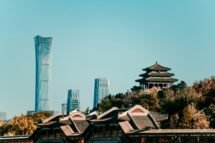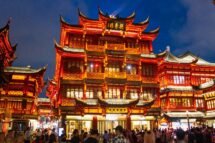
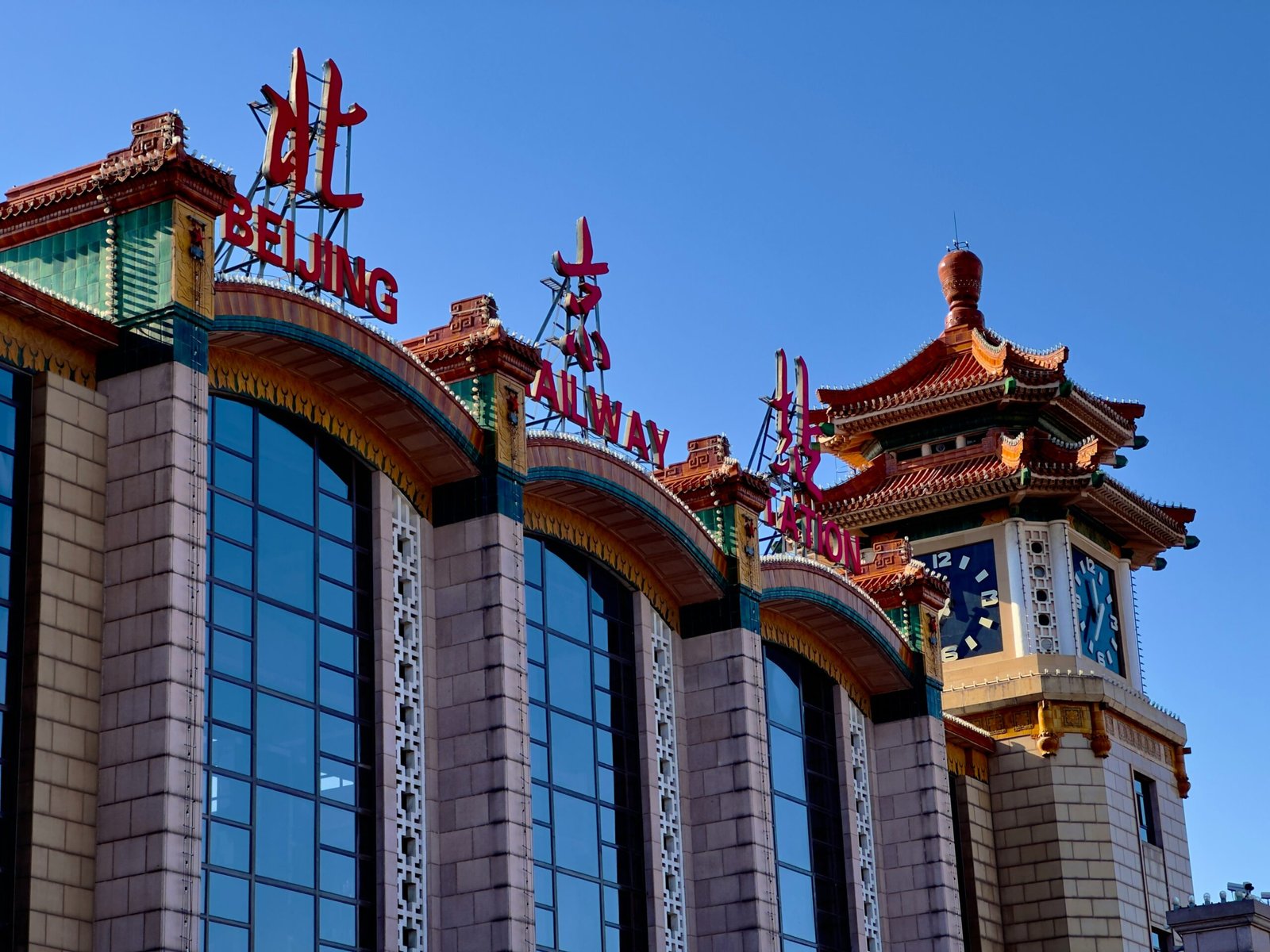
When we plan a trip to Beijing, one of our primary concerns, after securing flights, is undoubtedly accommodation. The sheer scale and diversity of the city mean that hotel options are plentiful, ranging from budget-friendly hostels to opulent five-star establishments. However, navigating this vast selection to unearth genuine deals requires a strategic approach. We’re not just looking for a place to sleep; we’re seeking value, comfort, and convenience, all while keeping our budget in mind. Beijing’s hotel market is dynamic, influenced by seasons, major events, and the ever-present competition among hotels vying for our business. Understanding these underlying currents is the first step toward securing a fantastic deal.
Our journey to finding the perfect Beijing hotel deal begins with a thorough understanding of the city’s geographical layout and its various districts. Beijing is an enormous metropolis, and where we choose to stay will significantly impact our travel time, access to attractions, and overall experience. For instance, staying in the heart of Wangfujing might offer unparalleled convenience for shopping and historical sites, but it often comes with a higher price tag. Conversely, venturing a little further out, say to districts like Chaoyang or Haidian, can yield more affordable options without sacrificing too much in terms of accessibility, especially if we leverage Beijing’s excellent public transportation system.
Beyond location, we also need to consider the type of accommodation that best suits our needs. Are we a group of friends looking for a lively atmosphere and shared amenities? A hostel or a guesthouse might be ideal. Are we a family with young children, requiring interconnected rooms or specific facilities like a pool? A mid-range hotel with family-friendly amenities would be more appropriate. Or are we seeking a luxurious, pampering experience for a special occasion? Then a high-end hotel with comprehensive services would be our target. Each category has its own pricing dynamics and potential for deals. Our goal here is to equip ourselves with the knowledge and strategies to cut through the noise and identify those sweet spots where quality meets affordability. This article will guide us through various avenues, from booking platforms to local insights, ensuring we maximize our chances of securing an excellent hotel deal for our Beijing adventure.
Understanding Beijing’s Accommodation Zones
Beijing is divided into several districts, each with its unique character and implications for hotel pricing and convenience. We find that a basic understanding of these zones is crucial for making informed decisions.
Dongcheng and Xicheng Districts (City Center)
These two districts form the historical and political heart of Beijing. Here, we find iconic landmarks such as the Forbidden City, Tiananmen Square, and Wangfujing Street. Hotels in these areas are generally more expensive due to their prime location and proximity to major tourist attractions. However, the convenience of being able to walk to many sites or have very short commutes can sometimes justify the higher cost, especially if our time in Beijing is limited. We might find deals here during off-peak seasons or by booking well in advance. Boutique hotels and international chains are prevalent in these districts.
Chaoyang District (Business and Modernity)
Chaoyang is Beijing’s central business district and a hub for modern architecture, international embassies, and upscale shopping malls like Sanlitun and The Place. This district offers a wide range of accommodation, from luxurious international hotels to more reasonably priced business hotels. While generally still on the pricier side, particularly near the CBD, we often find good value here, especially if we’re attending conferences or enjoying Beijing’s nightlife and dining scene. The public transport links are excellent, making it easy to reach other parts of the city.
Haidian District (University and Tech Hub)
Located in the northwest of Beijing, Haidian is home to prestigious universities like Peking University and Tsinghua University, as well as Zhongguancun, often referred to as China’s Silicon Valley. Accommodation here tends to be more budget-friendly, catering to students and business travelers in the tech sector. We can find many comfortable mid-range hotels and guesthouses. While further from the Forbidden City, Haidian is well-connected by subway, offering a good balance between cost and accessibility, particularly if we’re interested in exploring the university campuses or the Summer Palace, which is also located here.
Other Districts (Budget-Friendly and Local Charm)
Venturing further out to districts like Fengtai, Shijingshan, or Daxing can yield even more significant savings. These areas are typically more residential and less tourist-oriented, offering a glimpse into local life. While commute times to central attractions will be longer, the trade-off is often substantially lower hotel rates. We might find excellent budget hotels, guesthouses, or even unique local accommodations here. This option is particularly appealing if we’re on a very tight budget or if we prefer a more authentic, less touristy experience and don’t mind spending more time on public transport. The expanding subway network continually improves accessibility to these outer districts.
If you’re planning a trip to Beijing and looking for great hotel deals, you might also be interested in exploring accommodations with stunning views in other iconic cities. For instance, check out this article on the best hotels near the Eiffel Tower that offer balcony views, which can enhance your travel experience significantly. You can read more about it here: 15 Best Eiffel Tower Hotels with Balcony Views.
Strategic Timing and Flexibility

One of the most potent tools in our arsenal for securing hotel deals in Beijing is strategic timing. The price of a hotel room in Beijing can fluctuate wildly depending on the time of year, day of the week, and even how far in advance we book. Understanding these patterns and being flexible with our travel dates can lead to significant savings, sometimes cutting our accommodation costs by a third or even more. We’ve learned through experience that a little foresight and adaptability go a long way when it comes to booking hotels in this bustling metropolis.
We always advise our fellow travelers to consider Beijing’s distinct seasons and major public holidays. During peak tourist seasons, hotels naturally raise their prices to capitalize on demand. Conversely, during the off-peak periods, when fewer visitors are in the city, hotels are more inclined to offer discounts and promotions to attract guests. This ebb and flow of demand create opportunities for us to snag a bargain. Moreover, the day of the week can also influence pricing. Business travelers often fill hotels during the week, leading to higher rates, while weekends might see a slight dip, especially in business-oriented districts. However, this trend can reverse in leisure-focused areas.
Flexibility is not just about choosing the right season; it also extends to how far in advance we make our reservations and our willingness to adapt to last-minute offers. While conventional wisdom often suggests booking early, there are times when last-minute deals can surprise us, particularly if a hotel has unfilled rooms. Striking the right balance between early bird discounts and spontaneous offers requires a nuanced approach and a keen eye on the market. Our aim here is to illuminate these pricing dynamics so we can make the most informed decision for our Beijing trip.
Best and Worst Times to Visit for Deals
Understanding Beijing’s annual calendar is paramount for budget-conscious travelers. We’ve identified distinct periods that offer better chances for deals.
Off-Peak Seasons (Winter and Summer)
Generally, the best times to find hotel deals in Beijing are during the extreme ends of the year. Winter (December to February) is usually the lowest season for tourism, excluding the Chinese New Year period. The weather can be very cold, but hotels often drop their rates significantly to attract guests. Attractions like the Great Wall can be stunning with a dusting of snow, and indoor activities like museums and shows are readily available. We’ve found some of our best deals during these months. Similarly, Summer (July and August), while popular for domestic tourism, can be uncomfortably hot and humid for international visitors. Some international travelers avoid these months, leading to potential discounts, particularly towards the end of August. However, we must be prepared for the heat if we choose this period.
Shoulder Seasons (Spring and Autumn)
Spring (March to May) and Autumn (September to November) are widely considered the most pleasant times to visit Beijing, with comfortable temperatures and clear skies. Consequently, these are also peak tourist seasons. Hotel prices tend to be higher during these months. While it’s harder to find deep discounts, booking well in advance (3-6 months) can sometimes secure us better rates before prices escalate. We might also find occasional promotions during these periods, especially if our travel dates are flexible and fall outside major national holidays.
Public Holidays and Major Events
We must exercise extreme caution when planning trips around Chinese public holidays. Chinese New Year (late January/early February), Labor Day (early May), and National Day (early October) are periods of immense domestic travel. Hotel prices skyrocket, and availability becomes scarce. We strongly advise against traveling during these times if securing a deal is a priority. Similarly, if there are major international conferences, sporting events, or political gatherings in Beijing, hotel prices in the affected areas will surge. Always check the local event calendar before finalizing our dates.
The Art of Early Booking vs. Last-Minute Finds
The debate between booking early and waiting for last-minute deals is a classic one, and in Beijing, both strategies can yield results depending on the circumstances.
Advantages of Early Booking
For popular hotels, specific room types, or travel during peak seasons, we always recommend booking as far in advance as possible – typically 3 to 6 months out. Many hotels offer “early bird” discounts that reward planners. Booking early gives us the widest selection of hotels and room types, allowing us to choose exactly what we want before it sells out. It also locks in a price, protecting us from potential price hikes closer to our travel date. This strategy is particularly effective for high-demand periods or if we have very specific requirements for our accommodation.
Opportunities for Last-Minute Deals
While less predictable, last-minute deals can sometimes appear. If a hotel has not filled its inventory closer to the check-in date, they might release rooms at a discounted rate to avoid losing revenue. We’ve occasionally stumbled upon these “distress inventory” sales, often within a week or a few days of arrival. These deals are usually found on aggregator sites or through direct hotel promotions. However, this strategy comes with inherent risks: we might not get our first choice of hotel or location, and popular options might already be fully booked. This approach is best suited for flexible travelers who are not tied to specific hotels or locations and are willing to take a chance.
Monitoring Price Fluctuations
Our most effective strategy combines both approaches. We start monitoring prices well in advance, setting up price alerts on various booking platforms. If we see a good early-bird offer, we might jump on it. If prices remain high, we continue monitoring, keeping an eye out for potential drops as the travel date approaches. We also consider refundable bookings if the price is good but we suspect a better deal might come along later. This allows us to rebook if a more attractive offer materializes, providing a safety net.
Leveraging Online Booking Platforms and Tools

In the digital age, our primary gateway to finding hotel deals in Beijing is undoubtedly online booking platforms. The sheer volume of hotels listed, coupled with competitive pricing algorithms and various search filters, makes these websites indispensable. However, simply typing “hotels in Beijing” into a search engine isn’t enough. To truly unearth the best deals, we need to understand how these platforms work, which ones to prioritize, and how to utilize their advanced features effectively. We view these platforms not just as booking portals, but as powerful tools for research and comparison, allowing us to scrutinize prices, read reviews, and explore amenities before committing to a reservation.
Our strategy typically involves a multi-pronged approach, never relying on a single platform. We’ve found that prices for the same hotel can vary significantly across different sites due to varying commission structures, exclusive partnerships, and dynamic pricing strategies employed by both the platforms and the hotels themselves. This necessitates a “shop around” mentality, where we compare prices across several reputable sites before making a decision. Furthermore, many platforms offer loyalty programs, email newsletters, and price alert features that, when used diligently, can provide us with an edge in securing even better rates.
Beyond the initial search, we also pay close attention to the fine print – cancellation policies, included amenities, and potential hidden fees. A seemingly great deal can quickly lose its luster if we discover unexpected charges upon arrival or find ourselves locked into a non-refundable booking when our plans change. Our goal in this section is to guide ourselves and our fellow travelers through the maze of online booking, equipping us with the knowledge and techniques to efficiently and effectively find the best hotel deals Beijing has to offer.
Top Booking Websites and Aggregators
We have a go-to list of websites that consistently deliver good results for Beijing hotel searches. Each has its strengths and weaknesses.
International Giants (Booking.com, Expedia, Agoda)
These platforms are global leaders and offer an extensive selection of hotels in Beijing, from international chains to independent properties.
- Booking.com: We appreciate its user-friendly interface, vast number of user reviews, and often flexible cancellation policies. It frequently offers “Genius” loyalty discounts, which can be significant.
- Expedia: Similar to Booking.com, Expedia often bundles flight and hotel deals, which can sometimes result in substantial savings, especially for longer trips. We compare their standalone hotel prices against other platforms.
- Agoda: While popular worldwide, Agoda has a particularly strong presence in Asia. We’ve found that for hotels in China, Agoda sometimes offers more competitive rates or a wider selection of local properties, especially for budget and mid-range options. Their “PointsMAX” program can also be beneficial if we collect airline miles.
Price Comparison Sites (Kayak, Skyscanner, Google Hotels)
These sites don’t directly book hotels but aggregate prices from various online travel agencies (OTAs) and hotel websites. They are essential for ensuring we’re not missing a better deal elsewhere.
- Kayak: A robust metasearch engine that allows us to compare prices across hundreds of booking sites simultaneously. We often start our search here to get a broad overview of the market.
- Skyscanner: While primarily known for flights, Skyscanner also has a hotel comparison tool that is surprisingly effective.
- Google Hotels: Integrated directly into Google Search and Maps, this tool is incredibly convenient. It pulls prices from numerous sources and displays them clearly, often including the official hotel website, which can sometimes offer the best rate.
Chinese Domestic Platforms (Ctrip/Trip.com, Fliggy)
For an even deeper dive into the Beijing hotel market, especially for more local, budget, or unique properties, we often turn to Chinese domestic platforms.
- Ctrip (now Trip.com for international users): This is by far the largest online travel agency in China. They often have exclusive deals with local hotels and a broader inventory of smaller establishments that might not appear on international sites. We’ve found their customer service to be quite responsive, even for international bookings.
- Fliggy (阿里巴巴飞猪): Backed by Alibaba, Fliggy is another major player in China. It’s especially useful if we’re looking for unique experiences or have an Alibaba account, as it integrates with their ecosystem. The interface might be more tailored to Chinese users, but it can yield excellent deals.
Essential Search Filters and Settings
To narrow down the vast selection and find deals relevant to our needs, we consistently use these filters.
Price Range and Star Rating
Our first step is always to set a realistic price range. This immediately eliminates hotels far outside our budget. We also use the star rating filter as a general guide, knowing that a 3-star hotel in Beijing can offer decent comfort and amenities without breaking the bank, while 4-star hotels often represent a sweet spot for value and quality. However, we don’t solely rely on star ratings as they can be subjective.
Location and Neighborhood
As discussed earlier, location is critical. We use the map view extensively on booking platforms to visualize hotel proximity to attractions, subway stations, or specific areas we want to visit. Many platforms allow us to draw a custom search area on the map, which is incredibly useful. We might search for hotels “near Forbidden City” or “within 500m of a subway station.”
Guest Reviews and Ratings
User reviews are gold. We always filter by “highest rated” or read reviews specifically mentioning cleanliness, noise levels, and the helpfulness of staff. A hotel with consistently good reviews, even if slightly more expensive, often provides better overall value and avoids unpleasant surprises. We pay particular attention to recent reviews, as hotel quality can change over time.
Amenities and Facilities
Depending on our travel style, certain amenities are non-negotiable. We filter for free Wi-Fi (almost always available, but worth confirming), breakfast included (can save significant money), air conditioning (essential in summer), and sometimes a gym or pool. For families, interconnected rooms or childcare services might be important. Filtering for these ensures the hotel meets our basic comfort requirements.
Cancellation Policies and Payment Options
We always scrutinize the cancellation policy. “Free cancellation” offers immense flexibility, especially if our plans are uncertain. While non-refundable rates are often cheaper, the risk might not be worth the small saving. We also check payment options – some hotels require upfront payment, while others allow payment at check-in. We also look for options to “book now, pay later” which can be very convenient.
Direct Bookings and Loyalty Programs
While online travel agencies (OTAs) are excellent for comparing prices and discovering properties, we’ve learned that overlooking direct booking channels and hotel loyalty programs can be a costly mistake. Often, the best deals aren’t found on third-party sites but directly from the hotels themselves, especially when coupled with the benefits of membership programs. Hotels are increasingly incentivizing direct bookings to avoid paying commissions to OTAs, and this creates a golden opportunity for us to secure exclusive rates, added perks, and build loyalty points that can be redeemed for future stays.
Our approach always includes checking the official hotel website after we’ve identified a few potential candidates through aggregator sites. We’re frequently surprised to find “best rate guarantees” or special promotions that are not advertised elsewhere. These direct booking incentives can range from a slight discount on the room rate to complimentary breakfast, free Wi-Fi (though this is increasingly standard), room upgrades, or early check-in/late check-out privileges. Such perks can significantly enhance our stay and add value beyond just the room price.
Furthermore, participating in hotel loyalty programs, especially for major international chains with a presence in Beijing, can unlock a treasure trove of benefits. These programs are designed to reward repeat customers, and the perks often extend beyond simple point accumulation. We’re talking about elite status benefits like guaranteed room upgrades, access to executive lounges with complimentary food and drinks, and dedicated customer service. Even if we’re not frequent travelers, signing up for a program is usually free and can sometimes provide instant benefits on our first stay. This section aims to highlight the strategic advantages of bypassing the middleman and engaging directly with our chosen hotels.
The Power of Direct Booking
We’ve developed a habit of always checking the hotel’s official website after finding a promising option on an OTA. This simple step has often led to better deals.
Best Rate Guarantees
Many hotel chains, and even independent hotels, offer “best rate guarantees.” This means if we find a lower public rate on an OTA for the exact same room type and dates, the hotel will not only match it but often give an additional discount (e.g., 10-25% off the lower rate) or an added perk. We must be diligent in comparing the terms and conditions, as there are usually specific rules to qualify for these guarantees. This strategy requires a bit of effort, but the savings can be substantial.
Exclusive Website-Only Offers
Hotels frequently run promotions exclusively on their own websites to encourage direct bookings. These can include:
- Flash sales: Time-limited discounts that offer significant savings.
- Package deals: Bundling rooms with breakfast, airport transfers, or attraction tickets at a reduced combined price.
- “Book Direct and Save” discounts: A percentage off the standard rate simply for booking through their site.
- Complimentary add-ons: Free Wi-Fi, late check-out, early check-in, or even a welcome drink are common incentives. We’ve found that these seemingly small perks can add considerable value to our stay.
Access to Full Room Inventory and Flexibility
Booking directly often gives us access to a wider range of room types, including suites or specialty rooms that might not be listed on third-party sites. Moreover, hotels are often more flexible with direct bookings regarding changes or cancellations, as they don’t have to deal with an intermediary. If we need to modify our reservation, it’s typically easier to communicate directly with the hotel staff.
Maximizing Hotel Loyalty Programs
For those who travel frequently or even semi-frequently, joining a hotel loyalty program is a no-brainer.
Earning and Redeeming Points
Most major international hotel chains (e.g., Marriott Bonvoy, Hilton Honors, IHG One Rewards, World of Hyatt) have a strong presence in Beijing. By joining their loyalty programs, we earn points for every stay, which can eventually be redeemed for free nights, room upgrades, or other travel perks. While it might take several stays to accumulate enough points for a free night, these programs also offer instant benefits.
Elite Status Benefits
Achieving elite status (even basic tiers) through a loyalty program can unlock a host of valuable perks:
- Complimentary upgrades: We’ve often been upgraded to better rooms or even suites, significantly enhancing our comfort without extra cost.
- Late check-out/early check-in: Invaluable for maximizing our sightseeing time or for awkward flight schedules.
- Free breakfast: A significant daily saving, especially in Beijing where hotel breakfasts can be pricey.
- Executive lounge access: Provides complimentary snacks, drinks (often including alcoholic beverages during happy hour), and a quiet space to relax or work.
- Bonus points: Elite members earn points at an accelerated rate.
- Dedicated customer service: Faster and more personalized assistance.
Leveraging Hotel-Specific Credit Cards
Many hotel chains offer co-branded credit cards. While these come with annual fees, they often provide instant elite status, a large sign-up bonus of points (enough for several free nights), and accelerated point earning on hotel stays and everyday purchases. If we’re committed to a particular brand, this can be an effective way to quickly gain benefits and save on future Beijing stays. We always weigh the annual fee against the value of the benefits.
Joining Even for a Single Stay
Even if we don’t plan to be a loyal customer, it’s often worth signing up for a hotel’s loyalty program before our first stay. It’s usually free, and we might still receive minor perks like a welcome amenity, access to member-only rates (which can be slightly lower than public rates), or the chance to earn points that could be useful for a future trip, even if it’s years down the line. It’s a low-effort way to potentially gain extra value.
When planning your trip to Beijing, finding the best hotel deals can significantly enhance your travel experience. To complement your stay, you might also be interested in exploring various attractions in the city. For a broader perspective on travel, check out this article on things to do in Ghana, which highlights must-visit locations that can inspire your next adventure.
Alternative Accommodation and Local Deals
While traditional hotels and online booking platforms are our go-to for securing deals, we’ve found that sometimes the best value, or a truly unique experience, lies outside these conventional avenues. Beijing offers a rich tapestry of alternative accommodation types, from charming guesthouses to modern serviced apartments, which can cater to different budgets and preferences. Exploring these options, combined with a keen awareness of local promotions and negotiation tactics, can unlock deals that are simply not available through standard booking channels. This diversified approach ensures we’re not leaving any stone unturned in our quest for affordable and memorable stays.
Our philosophy extends beyond just the room rate. We consider the overall value proposition, which includes the cost of meals, transportation, and convenience. For instance, a slightly more expensive serviced apartment with a full kitchen can save us a considerable amount on dining out, especially for longer stays. Similarly, a local guesthouse might offer a more immersive cultural experience, often with personalized service and insider tips that are invaluable. The key is to be open-minded and willing to explore options that might not immediately appear on the first page of a generic hotel search.
Moreover, understanding the local context is crucial. Beijing’s market sometimes presents opportunities for deals through less formal channels, or through promotions aimed specifically at local residents which we, as savvy travelers, can sometimes tap into. This might involve using local apps, engaging with community forums, or even a bit of good old-fashioned haggling. This section delves into these alternative strategies, empowering us to think beyond the typical hotel search and discover hidden gems and unexpected savings in the heart of Beijing.
Exploring Beyond Traditional Hotels
Beijing’s accommodation landscape offers more than just standard hotel rooms. We often look at these alternatives for different travel needs.
Guesthouses and Boutique Hotels
Especially in areas like the hutongs (traditional alleys), we can find charming guesthouses and boutique hotels. These properties often offer a more personalized experience, unique décor, and a deeper connection to local culture than large chain hotels. While not always cheaper, they can sometimes offer better value, with included breakfasts, free bicycles, or intimate common areas. We find these by filtering for “guesthouse” or “boutique hotel” on major platforms or by using more localized search engines. Reviews are crucial here, as quality can vary.
Hostels (Private Rooms)
For budget-conscious travelers, hostels are an obvious choice. However, we often overlook the fact that many hostels in Beijing offer private rooms with en-suite bathrooms, providing hotel-like comfort at a significantly lower price point than a traditional hotel. This is an excellent option for couples or small groups who want privacy but still appreciate the communal atmosphere and amenities often found in hostels, such as shared kitchens, common areas, and organized tours. Check platforms like Hostelworld or Booking.com for these options.
Serviced Apartments
For longer stays (a week or more), or if we prefer the convenience of self-catering, serviced apartments are a fantastic alternative. These often come with a fully equipped kitchen, living space, and laundry facilities, which can lead to substantial savings on food and laundry services. Many serviced apartments also offer hotel-like amenities such as daily cleaning and concierge services. They can be particularly cost-effective for families or groups who can share the space. We find these on platforms like Airbnb, Booking.com, or specialized apartment rental sites.
Airbnb and Local Homestays
Airbnb has a strong presence in Beijing, offering a diverse range of accommodations from private rooms in local homes to entire apartments. This option can provide a more authentic local experience and often better value, especially for longer stays. We can find unique properties in residential areas, giving us a glimpse into local life. However, we always prioritize hosts with excellent reviews and clear communication. It’s also important to be aware of local regulations, as some areas might have restrictions on short-term rentals.
Tapping into Local Deals and Offline Strategies
Sometimes, the best deals aren’t found online or through international channels.
Local Chinese Booking Apps and Websites
While Ctrip/Trip.com is widely accessible, there are other Chinese apps that might offer slightly different inventories or promotions. Apps like Meituan (美团) and Dianping (大众点评) are dominant for local services, including hotels. While primarily in Chinese, with some effort or translation apps, we can sometimes uncover deals targeted at domestic travelers that are not available elsewhere. These often include bundled offers for hotel + local activities or dining.
Leveraging Social Media and Group Deals
We’ve occasionally found hotel promotions shared on Chinese social media platforms like WeChat (微信). Hotels might run limited-time campaigns or offer discounts to followers. It’s worth joining relevant WeChat groups or following hotel accounts if we’re seriously looking for deals. Group buying sites, similar to Groupon, also exist in China and can sometimes feature hotel packages.
Negotiating in Person (for smaller establishments)
While not common with large international chains, for smaller, independent guesthouses, especially in less touristy areas or during off-peak seasons, there might be a small window for polite negotiation, particularly if we’re staying for multiple nights. This requires a level of comfort with spoken Chinese or a translation app, and a respectful approach. We’ve found that inquiring about a “best price” for cash payment can sometimes yield a minor discount, especially if the owner is keen to fill a room.
Walk-in Rates (with caution)
In very rare circumstances, and primarily during extremely off-peak periods or late at night, a walk-in rate might be lower than an advertised online rate if a hotel is desperate to fill empty rooms. However, this is a risky strategy and we generally do not recommend it as our primary approach. We only consider this if we are extremely flexible, have backup options, and are prepared for the possibility of no availability or higher prices. It’s a last resort, not a deal-hunting strategy.
FAQs
1. Can I find last-minute hotel deals in Beijing?
Yes, you can find last-minute hotel deals in Beijing. Many hotels offer discounted rates for last-minute bookings to fill up their remaining rooms.
2. Are there any websites or apps that specialize in offering hotel deals in Beijing?
Yes, there are several websites and apps that specialize in offering hotel deals in Beijing. Some popular ones include Booking.com, Agoda, Expedia, and Hotels.com.
3. Is it cheaper to book a hotel directly or through a third-party website?
In some cases, it may be cheaper to book a hotel directly, especially if the hotel is running a promotion or offers a price-matching guarantee. However, third-party websites often have exclusive deals and discounts that can result in savings.
4. What is the best time of year to find hotel deals in Beijing?
The best time to find hotel deals in Beijing is during the low season, which typically falls between November and March. During this time, hotels are more likely to offer discounted rates to attract guests.
5. Are there any loyalty programs or memberships that can help me get better hotel deals in Beijing?
Yes, many hotel chains offer loyalty programs that provide members with exclusive discounts, perks, and rewards. Signing up for these programs can help you get better deals on hotels in Beijing and other destinations.