
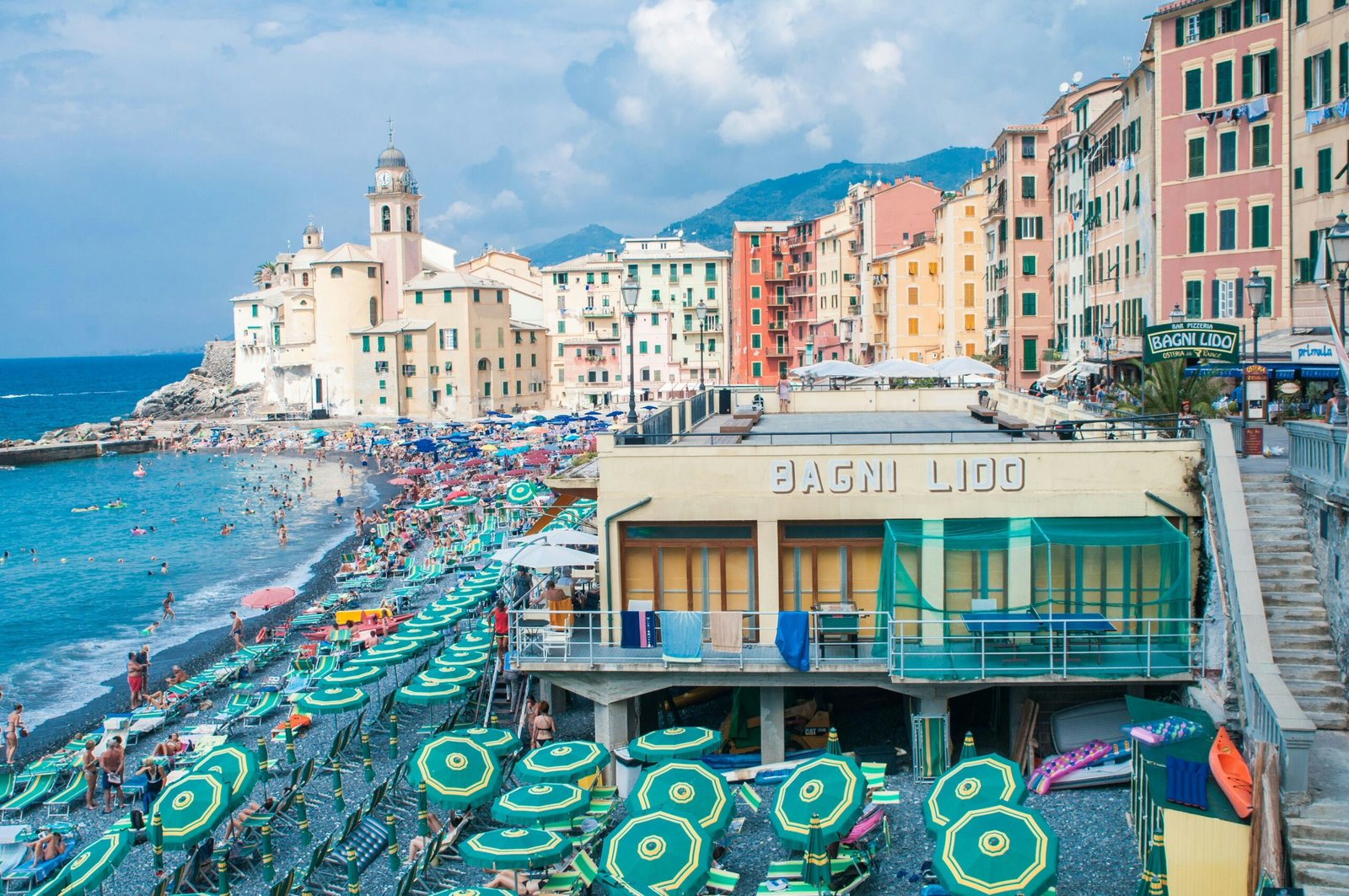
So, you’re looking to snag a last-minute hotel deal in Italy? The short answer is yes, it’s absolutely possible, and often quite rewarding, but it requires a bit of flexibility and knowing where to look. While you might not land your dream suite in a super-popular spot during peak season for pennies, there are definitely strategies to significantly reduce your accommodation costs even with a spontaneous trip.
Understanding the Italian Hotel Landscape
Before diving into the “how-to,” it’s helpful to understand a few things about the Italian hotel scene. It’s incredibly diverse, ranging from tiny family-run B&Bs in ancient villages to grand luxury hotels in major cities. This variety means opportunities exist at all price points.
Seasonal Fluctuations
Italy’s tourism is highly seasonal. Summer (June-August) is peak, followed by spring (April-May) and autumn (September-October). Winter (November-March), outside of ski resorts and Christmas/New Year’s, generally sees lower demand. This directly impacts pricing. Last-minute deals are much more prevalent in the shoulder seasons or off-peak, but even in high season, cancellations or hotels trying to fill their last few rooms can create openings.
Types of Accommodation
You’re not just looking for hotels. Italy offers a fantastic range of accommodation types:
- Hotels: From one to five stars, varying widely in price and amenities.
- B&Bs (Bed and Breakfasts): Often charming, locally-run, and a great way to experience Italian hospitality.
- Agriturismo: Farm stays, especially popular in Tuscany, Umbria, and Sicily. They often include meals made with local produce.
- Guesthouses/Affittacamere: Similar to B&Bs but might offer fewer services.
- Apartments/Vacation Rentals: Platforms like Airbnb and Booking.com list countless apartments, which can be great for longer stays or groups.
Keep an open mind about the type of lodging. Sometimes the best last-minute deal isn’t a traditional hotel.
If you’re looking for last-minute hotel deals in Italy, you might also be interested in exploring luxurious accommodations in other parts of Europe. For instance, check out this article on the 12 best hotels near the Louvre Museum in Paris, which can provide insights into high-end options for your travels. You can read more about it here: 12 Best Hotels Near the Louvre Museum.
Your Best Bets for Finding Deals

When time is of the essence, you need to know where to focus your search. Forget browsing hundreds of individual hotel websites; aggregate sites and direct contact are your friends.
Online Travel Agencies (OTAs)
Websites like Booking.com, Expedia, Hotels.com, and Agoda are your first port of call. They often have dedicated “last-minute” sections or filters.
- How to use them: Input your desired dates and destination. Pay close attention to filters for “price low to high” or look for banners advertising discounts. The key here is checking daily or even multiple times a day as availability and prices can change rapidly due to cancellations or hotels adjusting their rates.
- Look for “Secret Deals” or “Mobile-Only Rates”: Many OTAs offer exclusive discounts if you book through their app or if you’re logged in as a member. These aren’t always heavily advertised but can pop up.
- Read the fine print: Always check cancellation policies. Sometimes a great last-minute deal is non-refundable. If your plans aren’t 100% firm, this could be a risk.
Hotel-Specific Apps and Websites
While OTAs aggregate, sometimes going direct can yield results, especially for smaller, independent properties.
- HotelTonight: This app is specifically designed for same-day or next-day bookings. It often features unsold rooms at significant discounts. It’s particularly strong in larger cities.
- Direct Hotel Websites: If you have a specific hotel in mind (maybe you stayed there before or it was recommended), check their official website directly. Sometimes they offer “book direct” promotions or have a last-minute cancellation they need to fill, and they’d prefer to avoid OTA commissions. This is more of a long shot for general last-minute deals but worth a quick look if you’re targeting specific places.
Last-Minute Aggregators
Some sites specialize in this niche, although they can sometimes just funnel you back to major OTAs.
- LateRooms.com (UK-focused but lists Italy): As the name suggests, this site focuses on last-minute availability.
- Trivago/Kayak/Google Hotels: While not strictly “last-minute” sites, these comparison engines can quickly show you which OTA has the best price for a given hotel right now. They’re great for cross-referencing after you’ve found a few potential options.
Being Flexible and Strategic

Flexibility is your superpower when hunting for last-minute deals. The more rigid your requirements, the harder it will be to find a bargain.
Be Flexible with Your Dates
- Midweek vs. Weekend: Weekends are almost always more expensive, especially in popular tourist towns. If you can shift your stay to a Tuesday-Thursday, you’ll likely find better rates.
- Avoid Major Festivals and Holidays: Easter, Ferragosto (August 15th), Christmas, New Year’s, and major local festivals (like Venice Carnival or specific city patron saint days) will drive prices sky-high and make last-minute deals scarce. If your trip accidentally coincides, be prepared to pay more or adjust your location.
- Consider Shoulder Seasons: Late May/early June or late September/early October can offer pleasant weather, fewer crowds, and better pricing than peak summer. You still get great experiences without the summer premium.
Be Flexible with Your Location
- Consider Staying Just Outside the Main Tourist Hub: If you’re visiting Florence, for example, look at hotels in nearby Fiesole or even smaller towns with good train connections. You might find significantly cheaper rates and a more local experience, often just a short bus or train ride away from the main attractions.
- Explore Less-Visited Regions: While Rome, Florence, and Venice are always popular, Italy has so much more to offer. Consider regions like Le Marche, Puglia, Basilicata, or Abruzzo. These areas are beautiful, often more affordable, and sometimes have more last-minute availability due to slightly lower overall demand.
- Don’t Be Afraid of Different Neighborhoods: In a city like Rome, staying a few metro stops away from the Colosseum can halve your accommodation cost compared to staying right next to it. Research public transport options; Italy generally has excellent public transit within cities.
Be Flexible with Hotel Amenities and Star Ratings
- Do You Really Need a Pool or a Full-Service Restaurant? If you’re just looking for a clean, comfortable place to sleep, you can save a lot by foregoing luxury amenities you might not use.
- Consider 2 or 3-Star Hotels: Italian 2 and 3-star hotels are often perfectly comfortable, clean, and well-located. Don’t dismiss them just because they’re not 4-star. Read recent reviews to get a sense of quality.
- B&Bs and Guesthouses: As mentioned, these can be fantastic value. They often provide a more personal touch and a delicious breakfast.
Don’t Be Afraid to Call Directly (Especially for B&Bs and Smaller Hotels)
This might sound old-fashioned, but it works, especially for smaller, independent properties.
- Why it works: Many small Italian establishments might not update their online availability instantly or might hold back a room or two for direct bookings. They also save on commission fees if you book directly, which they might pass on to you as a discount.
- How to do it: Once you’ve found a few potential places online (even if they show no availability or are slightly over budget), give them a call. Politely ask if they have any last-minute availability or if they can offer a better rate for a direct booking for your dates. A little Italian (“Avete una camera disponibile per stasera/domani?” – “Do you have a room available for tonight/tomorrow?”) can go a long way, but most tourist-facing staff will speak English.
Timing Your Booking
The “last minute” aspect is crucial, but what is last minute?
The Sweet Spot for Discounts
- 24-72 Hours Before Check-in: This is often the prime window. Hotels are keen to fill empty rooms rather than have them sit vacant. If they still have significant inventory, they’ll often drop prices dramatically to entice bookings.
- Same-Day Booking: For maximum discounts, especially through apps like HotelTonight, booking on the day of arrival can yield the best deals. However, this comes with the highest risk of not finding anything suitable, especially in very popular areas during peak times. It’s a strategy best reserved for very flexible travelers.
When Not to Wait Too Long
While waiting can pay off, there are times it’s riskier:
- Peak Season in Popular Cities (e.g., Rome in August, Venice in May): If you absolutely must stay in a specific place during a super busy period, waiting until the last minute might mean you only find very expensive rooms or nothing at all. In these cases, booking a few weeks out might be a safer bet for a reasonable price, even if it’s not a “steal.”
- Large Groups: If you’re traveling with a family or a group and need multiple rooms or specific room configurations, waiting until the last minute is generally not advisable, as availability will be much more limited.
If you’re planning a spontaneous trip to Italy and looking for ways to save on accommodations, you might find valuable tips in a related article that discusses the latest trends in hotel booking. Exploring strategies for finding last-minute deals can enhance your travel experience, and you can read more about it in this insightful piece on hotel booking trends for 2025. For more information, check out the article here.
What to Do When You Arrive (On-the-Ground Strategy)
Sometimes, the best deals are found by just showing up. This is not for the faint of heart, but it can be incredibly rewarding.
Tourist Information Offices
- Your Best Friend: In many Italian towns, especially smaller ones, the local Ufficio Turistico (Tourist Information Office) can be an invaluable resource. They often have up-to-the-minute information on local accommodation availability, including B&Bs and guesthouses that might not be listed online. They can even call places for you.
- Personalized Recommendations: They can also offer advice on different areas to stay and local transport.
Looking for “Camere Libere” Signs
- Walk Around: In smaller towns or less touristy parts of cities, keep an eye out for “Camere Libere” (Rooms Available) or “Affittacamere” (Rooms for Rent) signs. These are often small, independent guesthouses or B&Bs that rely on walk-in traffic and might offer a better rate than online.
- Ask Locals: Don’t be afraid to ask at local cafes or shops if they know of any rooms for rent. Italians are generally very helpful.
Leverage Local Knowledge
- Ask Your Host (if you’re moving on): If you’re already staying in Italy and moving to another town, ask your current hotel or B&B host for recommendations. They often have contacts or know of places with availability in other areas.
Ultimately, getting a last-minute hotel deal in Italy is about playing the odds, being adaptable, and knowing where to focus your energy. It’s less about finding a magic bullet and more about smart searching, flexibility, and sometimes a bit of charming persistence. Buon viaggio!
FAQs
1. Can I book last-minute hotel deals in Italy online?
Yes, many online travel websites and apps offer last-minute hotel deals in Italy. You can easily search for available options, compare prices, and make reservations directly through these platforms.
2. Are last-minute hotel deals in Italy only available during off-peak seasons?
No, last-minute hotel deals in Italy can be available at any time of the year, including peak seasons. However, the availability of deals may vary depending on factors such as hotel occupancy, events happening in the area, and other demand-related aspects.
3. How can I increase my chances of finding good last-minute hotel deals in Italy?
To increase your chances of finding good last-minute hotel deals in Italy, consider being flexible with your travel dates, staying open to different locations within Italy, and signing up for alerts or notifications from travel websites for any new deals that match your preferences.
4. Are last-minute hotel deals in Italy always cheaper than booking in advance?
Last-minute hotel deals in Italy can sometimes offer significant discounts compared to booking in advance, especially if hotels are looking to fill up remaining rooms. However, this is not always the case, and prices can vary depending on the specific hotel, location, and time of booking.
5. What should I consider before booking a last-minute hotel deal in Italy?
Before booking a last-minute hotel deal in Italy, consider checking the hotel’s reviews, amenities offered, location, cancellation policies, and any additional fees that may apply. It’s also recommended to confirm the booking details and ensure that the deal meets your travel needs and preferences.