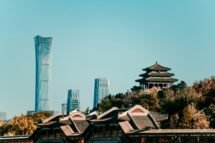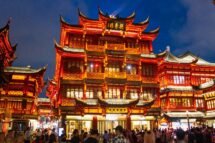

As seasoned travelers with an insatiable appetite for the finer things, we’ve come to appreciate that discovering truly luxurious accommodations in China is an art form in itself. It’s not simply about booking the most expensive room; it’s about discerning the nuances of service, design, and cultural immersion that elevate a stay from pleasant to extraordinary. China, with its burgeoning economy and deep-rooted traditions of hospitality, has become a veritable playground for luxury travelers. From the soaring skylines of its megacities to the tranquil landscapes of its ancient heartlands, a wealth of opulent hotels awaits those who know how to find them. Our journey through this fascinating country has taught us invaluable lessons, and we’re eager to share our collective wisdom on how to unlock the doors to China’s most exquisite hotel experiences. We’ve learned that understanding the local context, leveraging the right resources, and cultivating a discerning eye are paramount to success. This guide is a distillation of our shared experiences, designed to equip you with the knowledge needed to navigate the vibrant and often surprising world of luxury hotels across China.
Defining Luxury in the Chinese Context
Before we dive into the practicalities of finding these havens, it’s crucial to understand what “luxury” truly signifies within the Chinese hospitality industry. It often goes beyond gilded fixtures and expansive suites. While these are certainly present, true luxury in China frequently encompasses a seamless blend of world-class international standards with deeply ingrained local cultural elements. We’ve found that the most memorable luxury hotels are those that artfully weave traditional Chinese aesthetics – intricate wood carvings, serene garden courtyards, and classical art – into a contemporary design, creating spaces that feel both globally sophisticated and distinctly Chinese.
Furthermore, personalized service is a hallmark of luxury here. It’s not just about efficiency, but about anticipation. The best establishments employ staff who not only speak multiple languages fluently but also possess an intuitive understanding of guest preferences, often predicting needs before they are voiced. This level of attentiveness, often delivered with genuine warmth and respect, is a testament to China’s strong service culture. We’ve experienced everything from dedicated butler services that organize bespoke excursions to chefs who remember our dietary restrictions and prepare special off-menu dishes.
Another key differentiator is the culinary experience. Luxury hotels in China often house multiple high-end restaurants, showcasing both authentic regional Chinese cuisines and sophisticated international fare. These aren’t just dining rooms; they are culinary destinations in themselves, often featuring Michelin-starred chefs and exclusive ingredients. We always make it a point to explore these gastronomic offerings, as they frequently provide an unparalleled insight into China’s rich culinary heritage. Finally, the amenities offered in a luxury hotel in China are typically extensive, ranging from state-of-the-art fitness centers and world-class spas to exclusive executive lounges and private art collections. These spaces are designed to offer a complete retreat, where every need is anticipated and every comfort provided.
When searching for luxury hotels in China, travelers may also be interested in exploring exquisite accommodations in other iconic destinations. For instance, if you’re planning a trip to Paris, you might want to check out an article that highlights some of the best hotels near the Eiffel Tower. This resource can provide insights into luxurious stays that offer stunning views and exceptional service. To learn more, visit this article for an unforgettable Parisian experience.
Leveraging Online Resources and Expert Advice
In our quest for the perfect luxury stay, we’ve discovered that a multi-pronged approach to research yields the best results. Relying solely on one platform or review site can lead to missed opportunities or, worse, a misunderstanding of what a hotel truly offers. We advocate for a comprehensive investigation, drawing on a variety of digital tools and, crucially, the insights of those who know the landscape best.
Utilizing Premium Booking Platforms and Aggregators
Our first port of call is usually a selection of premium booking platforms. Websites like Virtuoso, Amex Fine Hotels & Resorts, and Leading Hotels of the World are invaluable. These platforms curate lists of truly exceptional properties, often offering exclusive perks such as complimentary upgrades, early check-in/late check-out, breakfast included, and spa credits. We’ve found that the benefits offered through these programs can significantly enhance the luxury experience and often justify a slightly higher nightly rate. These sites also tend to have more detailed descriptions and higher-quality photography, giving us a better sense of a hotel’s true ambiance and offerings.
Beyond these exclusive platforms, we also utilize well-known aggregators like Booking.com, Expedia, and Trip.com (a Chinese-owned platform with extensive reach in the region). While these sites list a broader range of hotels, their filtering options are powerful. We always set our search criteria to five-star properties, filtering further by guest ratings (looking for scores consistently above 9.0), specific amenities like infinity pools, spa facilities, or multiple dining options. We also pay close attention to the “guest reviews” section, looking for recurring themes related to service quality, room comfort, and location. It’s important to remember that a perfect score isn’t always indicative of the best luxury experience; sometimes, a hotel with a slightly lower score might offer unique charm or a specific amenity we value more.
Diving Deep into Review Sites and Forums
Once we have a shortlist, our next step is a deep dive into review sites like TripAdvisor and Google Reviews, as well as luxury travel forums. While we approach these with a critical eye, they provide an unvarnished perspective from fellow travelers. We look for detailed accounts of specific experiences – positive and negative – particularly concerning aspects like staff attentiveness, room cleanliness, noise levels, and the quality of the food and beverage offerings. We pay special attention to how management responds to reviews, as this often speaks volumes about their commitment to guest satisfaction.
Luxury travel forums, such as those found on Flyertalk or specific expat communities in China, are goldmines of information. Here, experienced travelers often share highly specific insights, including tips on securing the best rooms, navigating local customs, and even recommendations for hidden gems within the hotel or its vicinity. We’ve found that these forums often contain discussions about brand-specific strengths and weaknesses in China, allowing us to choose a property that aligns with our personal preferences for service style or amenities. For example, some forum members might highlight a specific hotel’s exceptional club lounge offerings, while others might praise another’s commitment to sustainable practices.
Consulting Travel Advisors and Concierge Services
For truly bespoke experiences, we’ve found immense value in consulting with luxury travel advisors. These professionals often have direct relationships with hotel management and a deep understanding of the local market. They can offer personalized recommendations based on our specific interests, whether it’s a hotel with a world-class art collection, one renowned for its culinary school, or a property perfectly situated for exploring a particular cultural site. Furthermore, travel advisors can often secure even better perks and preferential rates than those available through public booking sites, leveraging their industry connections.
Similarly, once we’ve decided on a hotel, we don’t hesitate to engage with their concierge service even before arrival. A good concierge in a luxury Chinese hotel is an invaluable resource, not just for making dinner reservations but for arranging complex itineraries, securing tickets to exclusive events, or even helping us navigate local customs. We’ve found that by communicating our preferences and expectations in advance, we can ensure a smoother and more tailored experience from the moment we step off the plane. Their local knowledge is unparalleled, and they can often provide access to experiences that would be difficult to arrange independently.
Exploring Renowned Luxury Brands and Boutique Gems

China’s luxury hotel market is a fascinating blend of globally recognized brands and captivating independent properties. Our approach to finding the best accommodations involves considering both, as each offers a distinct flavor of opulence. We understand that some travelers prefer the assured consistency of a well-known name, while others seek the unique charm and personalized touch of a boutique establishment.
Global Luxury Hotel Chains with a Strong Presence
When we think of established luxury, certain international brands immediately come to mind, and many have a significant and impressive footprint across China. Brands like The Ritz-Carlton, Four Seasons, Mandarin Oriental, St. Regis, and Waldorf Astoria consistently deliver a high standard of service, impeccable design, and extensive amenities. We often start our search with these names because we know what to expect in terms of quality and professionalism.
For instance, we’ve found that The Ritz-Carlton properties in China often excel in their club lounge offerings and their commitment to personalized service. Their staff are usually meticulously trained and attentive, anticipating needs with remarkable precision. The Four Seasons, on the other hand, often stands out for its exceptional culinary experiences and stunning architectural design, frequently incorporating local elements in a sophisticated manner. Mandarin Oriental properties consistently impress us with their serene spa facilities and refined Asian-inspired aesthetics, while St. Regis often provides a more classic, Butler-service-oriented luxury experience. Waldorf Astoria hotels often boast impressive heritage buildings or grand designs, offering a sense of old-world glamour.
Beyond these, we also consider properties under the Marriott Luxury Collection, such as The Puli Hotel and Spa in Shanghai, or properties by Rosewood Hotels & Resorts, known for their ultra-luxury residential-style accommodations and strong emphasis on local culture. Each of these global giants has adapted its brand ethos to the Chinese market, often incorporating local design elements, cuisine, and service traditions to create a distinct and memorable experience. We frequently research specific properties within these chains, as individual hotels can vary in their offerings and overall ambiance. It’s not just the brand name, but the particular iteration of that brand in a specific Chinese city that truly matters.
Discovering Independent and Niche Luxury Hotels
While global chains offer a certain comfort, we also delight in unearthing independent and niche luxury hotels that offer truly unique and often more culturally immersive experiences. These properties might not have the same widespread brand recognition, but they frequently compensate with unparalleled charm, bespoke service, and a strong sense of place.
One notable example is The Peninsula Hotels, which, while having a few properties globally, maintains a distinctly independent feel with its legendary service and iconic locations, particularly its stunning Shanghai outpost. Another category we explore are properties that are part of smaller, highly curated luxury hotel collections, such as Aman Resorts or Capella Hotels. Aman properties in particular are renowned for their minimalist design, integration with natural landscapes, and profound sense of tranquility, often providing a spiritual retreat rather than just a hotel stay. Their properties in China, like Amandayan in Lijiang, are exemplary in this regard.
We also keep an eye out for genuinely local luxury brands that have emerged in China, often with a focus on specific regional aesthetics or experiences. These might include boutique hotels within historical districts, beautifully restored traditional dwellings, or design-forward properties that are celebrated for their architectural innovation. For example, some luxury hotels have transformed ancient tea houses or private gardens into exquisite accommodations, offering a glimpse into China’s past while providing modern comforts.
The advantage of these independent and niche hotels is often a more intimate atmosphere and a higher degree of personalized service. The staff might be fewer in number, but they are often more deeply invested in the guest’s experience and can offer insider tips and recommendations that go beyond standard tourist attractions. We’ve found that these hotels are excellent choices for travelers seeking an authentic connection with the destination, desiring an experience that feels less like a corporate stay and more like a curated cultural immersion. Our advice is always to read reviews carefully for these properties, as consistency can vary, but the rewards of finding a true hidden gem are immeasurable.
Location, Design, and Immersive Experiences
Beyond the brand and the online reviews, we firmly believe that the true essence of a luxury hotel stay in China lies in its location, its design philosophy, and the immersive experiences it offers. These elements are what transform a mere room into a memorable chapter of our travels. We approach this aspect of our search with a keen eye for detail, understanding that the surrounding environment and the hotel’s integration within it are paramount.
Strategic Location for Exploration and Serenity
The location of a luxury hotel in China can dramatically influence our overall experience. We consider whether we want to be in the heart of a bustling city, with easy access to cultural sites, shopping, and dining, or if we prefer a serene escape nestled in nature or a historical district.
In megacities like Shanghai, Beijing, or Shenzhen, we often look for hotels in vibrant central business districts or historic areas that offer a blend of convenience and character. For instance, a hotel on the Bund in Shanghai provides breathtaking views of the city skyline and the historic architecture, placing us at the epicenter of its cosmopolitan energy. In Beijing, being close to the Forbidden City or the hutongs allows for easy cultural exploration and a taste of traditional life. Proximity to subway stations or major transport hubs is also a significant factor, ensuring we can navigate the city efficiently. However, we also look for locations that, despite being central, offer a sense of calm and retreat, perhaps with beautifully landscaped gardens or soundproofed rooms that create a tranquil oasis amidst the urban dynamism.
Conversely, when our travels take us to more scenic or culturally rich regions, like Hangzhou, Chengdu, or Lijiang, our preference shifts towards hotels that blend seamlessly with the natural or historical landscape. We seek properties offering stunning views of West Lake, ancient temples, or verdant mountains. In such locations, a luxury hotel isn’t just a place to sleep; it’s an integral part of the experience, offering direct access to hiking trails, tea plantations, or local artisan workshops. The ideal location is one that facilitates both exploration and relaxation, allowing us to fully immerse ourselves in the unique charm of the region. We always map out potential sightseeing and activities before selecting a hotel, ensuring its location aligns perfectly with our itinerary.
Design Philosophy and Aesthetic Appeal
The design of a luxury hotel speaks volumes about its identity and its commitment to providing an exceptional guest experience. We pay close attention to the aesthetic appeal, looking for hotels that demonstrate a thoughtful design philosophy, whether it’s a celebration of contemporary minimalism, a homage to traditional Chinese artistry, or a fusion of both.
Many of China’s top luxury hotels distinguish themselves through breathtaking architecture and interior design. We’ve encountered hotels that are veritable art galleries, showcasing exquisite Chinese calligraphy, contemporary sculpture, and historical artifacts. The materials used – from rich timbers and polished marble to delicate silks and ceramics – contribute to a sense of unparalleled luxury and craftsmanship. We appreciate designs that incorporate local elements thoughtfully, without resorting to clichés. For example, a modern hotel might feature traditional lattice work in a new context, or use a color palette inspired by local landscapes or historical textiles.
Lighting, spatial arrangement, and even the scent profile of a hotel are all critical components of its design. A well-designed luxury hotel creates a cohesive and immersive environment, where every detail contributes to the overall sense of elegance and comfort. We often find ourselves drawn to hotels that have engaged renowned architects and interior designers, as their expertise often results in truly iconic spaces. We look for comfortable and ergonomically designed furniture, luxurious bedding, and bathrooms that feel like private spas, often featuring deep soaking tubs and rain showers. The ultimate goal is a design that is not only visually stunning but also highly functional and conducive to relaxation and well-being.
Curated Experiences and Cultural Immersion
True luxury, for us, extends beyond the physical comforts of a hotel; it encompasses the curated experiences and opportunities for cultural immersion that a property offers. The best luxury hotels in China understand this, providing unique programs that allow guests to connect with the local culture in meaningful ways.
We always inquire about the special activities or services a hotel provides. This could range from private calligraphy or Tai Chi lessons led by local masters, to guided tours of nearby historical sites, culinary classes focused on regional cuisine, or even exclusive access to local art performances. Some hotels might organize private tea ceremonies, allowing us to delve into China’s rich tea culture, or arrange visits to traditional markets and artisan workshops, providing authentic encounters with local life.
Many luxury hotels in China also have dedicated cultural concierges who specialize in crafting bespoke itineraries. We’ve leveraged these services to secure tickets to sold-out opera performances, arrange private visits to remote temples, or even organize tailored shopping experiences for unique local crafts. The ability of a hotel to facilitate these deeper connections to the destination is a significant differentiator. It’s about more than just sightseeing; it’s about understanding, participating, and gaining a richer perspective on Chinese traditions and contemporary life. These immersive experiences are often what we remember most vividly from our luxury stays, enriching our travels far beyond the confines of a beautifully appointed room.
When planning a luxurious getaway in China, it’s essential to consider not only where to stay but also the experiences that await you. For those looking to explore budget-friendly adventures, you might find inspiration in a related article that highlights exciting activities in Ghana that won’t break the bank. Discover more about these affordable experiences by checking out things to do in Ghana under 50, which can complement your luxurious stay with unique cultural insights and memorable excursions.
Understanding Pricing, Value, and Booking Strategies
Navigating the financial aspects of luxury hotel bookings in China requires a strategic approach. We’ve learned that while luxury inherently comes with a price tag, understanding value, being flexible, and employing smart booking strategies can significantly enhance our experience without unnecessarily inflating the cost. It’s about being discerning with our budget, rather than simply opting for the cheapest or most expensive option.
Deciphering the Cost of Luxury in China
The cost of luxury hotels in China can vary dramatically based on the city, the time of year, and the specific property’s standing. Major international hubs like Shanghai, Beijing, and Guangzhou generally command higher prices, particularly for prime locations or iconic properties. Smaller, but increasingly popular, cities like Chengdu or Hangzhou might offer luxury at a slightly more accessible price point, though demand in these areas is also rising.
We’ve observed that peak travel seasons – Chinese New Year, Golden Week holidays (early May and early October), and often the summer months – see significant price surges. Conversely, traveling during the shoulder seasons (spring and autumn, excluding major holidays) or the quieter winter months (excluding New Year) can yield better rates and fewer crowds. Weekday stays are often less expensive than weekends.
Beyond the nightly rate, we always factor in additional costs. These include government taxes, service charges (often 10-15%), and the potential for expensive in-hotel dining, spa treatments, or transfers. While these are part of the luxury experience, being aware of them helps us budget effectively. We also consider the value of complimentary amenities – like breakfast, airport transfers, or access to an executive lounge – as these can offset other expenses and enhance the overall value proposition. Sometimes a slightly more expensive room that includes breakfast and lounge access can end up being better value than a cheaper room where these are add-ons.
Maximizing Value Through Loyalty Programs and Credit Cards
As frequent luxury travelers, we’ve found that leveraging hotel loyalty programs and premium credit cards is one of the most effective ways to maximize value. Enrolling in programs like Marriott Bonvoy, Hilton Honors, or World of Hyatt can lead to significant perks over time. As we accumulate points and status, we become eligible for benefits such as room upgrades, late check-out, complimentary breakfast, and even free nights. These benefits directly enhance the luxury experience at no additional cost.
Many premium travel credit cards also offer valuable benefits specific to luxury hotels. Cards like the American Express Platinum Card or Chase Sapphire Reserve often include access to hotel collections (e.g., Amex Fine Hotels & Resorts) which provide similar, or sometimes even better, perks than top-tier loyalty status, including hotel credits and guaranteed upgrades. We often compare the benefits offered by our credit cards with our hotel loyalty status to determine the best booking channel for a specific stay. Furthermore, using a travel rewards credit card for booking allows us to earn points on our luxury hotel spend, which can then be redeemed for future travel, effectively reducing the overall cost of our adventures.
We also make sure to check for any ongoing promotions or packages offered directly by the hotel. Sometimes, a “stay longer and save” offer or a package including spa treatments or dining credits can provide excellent value, especially for multi-night stays. Subscribing to hotel newsletters can keep us informed about these limited-time opportunities.
Strategic Booking Methods and Flexibility
Our booking strategy is often dictated by a combination of factors: how far in advance we plan, our flexibility with dates, and the specific hotel we desire. For highly sought-after properties or during peak season, booking several months in advance is essential to secure availability and often better rates. We’ve learned that last-minute bookings, while sometimes yielding unexpected deals, can also mean limited options and higher prices, especially for luxury hotels.
We often utilize the “flexible cancellation” option when available, especially if our travel plans are not fully solidified. While these rates might be slightly higher initially, the peace of mind they offer is invaluable. However, once our plans are firm, we might opt for non-refundable rates if the discount is substantial, as long as we have robust travel insurance.
For stays where we are seeking a truly exceptional experience, we sometimes consider booking directly through the hotel’s website after comparing rates on aggregators. Direct bookings can sometimes unlock exclusive packages or ensure that our specific room preferences (e.g., a high floor, a particular view) are more readily accommodated. It also facilitates direct communication with the hotel staff for special requests or pre-arrival arrangements.
Finally, we are always prepared to be a little flexible with our travel dates if it means a significant saving or access to a superior property. Shifting our trip by a day or two can sometimes move us out of a peak pricing period or open up availability at a dream hotel that was previously fully booked. By combining careful research, leveraging loyalty and credit card benefits, and employing flexible booking strategies, we consistently find ourselves enjoying unparalleled luxury experiences in China without compromising on value.
When searching for luxury hotels in China, it’s also beneficial to consider budget-friendly options that can enhance your travel experience without breaking the bank. A related article that provides insights into affordable accommodations is available at Best Cheap Hotels, which can help you find great places to stay while exploring the diverse landscapes and rich culture of China. Balancing luxury with budget options allows for a more comprehensive travel experience, ensuring you enjoy both comfort and value during your journey.
Special Considerations for Luxury Travel in China
Our extensive travels through China have taught us that while many aspects of luxury travel are universal, there are certain nuances and considerations unique to the Chinese context. Understanding these can significantly enhance our luxury experience, ensuring a smoother, more enjoyable, and truly authentic stay. We’ve learned to anticipate these factors and incorporate them into our planning.
Language and Communication
While staff at five-star hotels in major Chinese cities are generally proficient in English, we’ve found that language can still be a subtle barrier that, if not addressed, can detract from the luxury experience. The level of English fluency can vary, and sometimes complex requests or nuanced preferences might not be fully understood.
Our strategy is twofold. Firstly, we always make an effort to learn a few basic Mandarin phrases – “Ni hao” (hello), “Xie xie” (thank you), “Qing” (please). This not only shows respect but can often break the ice and lead to more genuine interactions. Secondly, for critical requests or when discussing complex needs, we often rely on translation apps or, ideally, have written notes in both English and Chinese. Many luxury hotels offer a personalized concierge service that includes a dedicated contact (often via WeChat, China’s ubiquitous messaging app) who can assist with real-time translation and communication, both within the hotel and when venturing out. We’ve found this to be an invaluable tool for seamless communication. Having our requests clearly understood, whether it’s a dietary restriction or a specific room preference, ensures our luxury expectations are met without misunderstandings.
Internet Access and Digital Connectivity
Digital connectivity in China is robust, but it operates differently from many other parts of the world. Key global services like Google, Facebook, Instagram, and WhatsApp are typically inaccessible without a Virtual Private Network (VPN). This is a crucial consideration for us, as it affects everything from communicating with family and friends to accessing travel itineraries or making last-minute bookings.
We always ensure we have a reliable VPN service installed and tested on all our devices before arriving in China. Many luxury hotels provide complimentary Wi-Fi, and some may even offer their own VPN solution, but we prefer to have our own as a backup. We also find it useful to have a local SIM card or an e-SIM with data. This ensures continuous connectivity even when outside the hotel’s Wi-Fi network and allows us to use local apps like WeChat, which is essential for almost everything in China, from payments to messaging and booking services. Many luxury hotels integrate WeChat into their guest services, allowing us to communicate with the concierge, order room service, or make requests directly through the app, which is incredibly convenient. Being digitally prepared ensures we remain connected and can fully leverage the modern conveniences available.
Navigating Local Etiquette and Cultural Sensitivity
Experiencing luxury in China often involves appreciating and respecting local customs and etiquette. We’ve learned that a little cultural sensitivity goes a long way in enhancing interactions and fostering a positive atmosphere.
For instance, punctuality is highly valued, especially in business or formal settings. When dining, certain protocols are observed, such as allowing elders to be served first or refraining from pointing with chopsticks. While dining in luxury hotels often provides a more internationalized experience, subtle gestures of respect, like using two hands when presenting or receiving a business card, or accepting a gift with a slight bow, are always appreciated. We’ve found that hotel staff are usually very helpful in guiding us through any cultural nuances we might encounter.
Tipping, while not traditionally part of Chinese culture, is slowly becoming more common in luxury hospitality, though it’s never expected or required. We generally avoid tipping explicitly unless we feel compelled to acknowledge truly exceptional service, and even then, we do so discreetly. The best approach is to express gratitude verbally and with a polite demeanor. Ultimately, our aim is to be respectful guests who are open to learning and experiencing the rich tapestry of Chinese culture, ensuring our luxury journey is not just comfortable, but also culturally enriching and harmonious. These special considerations, while seemingly minor, collectively contribute to a truly refined and authentic luxury travel experience in China.
FAQs
1. How can I find luxury hotels in China?
To find luxury hotels in China, you can use online travel websites, luxury hotel booking platforms, or contact a travel agency specializing in luxury accommodations. You can also search for luxury hotel recommendations from travel blogs or review websites.
2. What are some popular luxury hotel chains in China?
Some popular luxury hotel chains in China include The Ritz-Carlton, Four Seasons, Mandarin Oriental, Shangri-La, and St. Regis. These chains are known for their high-quality service, luxurious amenities, and prime locations in major cities.
3. What amenities can I expect in luxury hotels in China?
In luxury hotels in China, you can expect amenities such as spacious and elegantly designed rooms, fine dining restaurants, spa and wellness facilities, swimming pools, concierge services, and personalized attention to detail. Some luxury hotels may also offer cultural experiences or exclusive tours.
4. How far in advance should I book a luxury hotel in China?
It is recommended to book a luxury hotel in China as far in advance as possible, especially during peak travel seasons or major holidays. Booking in advance ensures that you have a better selection of rooms and can secure any special offers or promotions available.
5. Are there any tips for getting the best deals on luxury hotels in China?
To get the best deals on luxury hotels in China, consider booking during off-peak seasons, signing up for loyalty programs of hotel chains, checking for special promotions or packages, and contacting the hotel directly to inquire about any exclusive offers. Additionally, booking through certain credit card programs or travel agencies may also provide discounts or perks.