

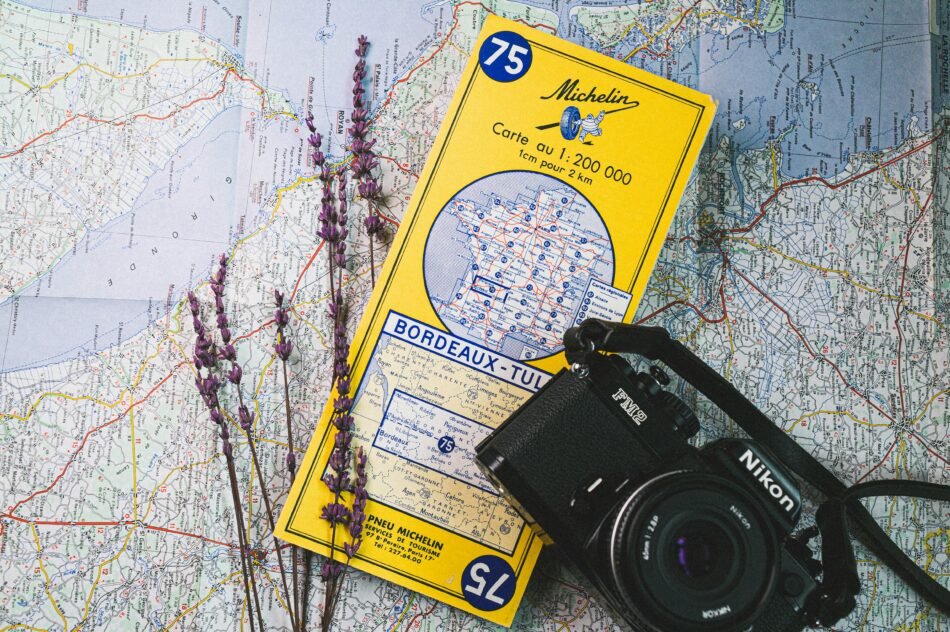
Looking to score some fantastic travel deals right now? The short answer is yes, you absolutely can! While the days of rock-bottom, last-minute steals for every destination might be a bit rarer than they once were, there are still plenty of opportunities to snag significant savings on flights, accommodations, and even entire packages. It’s all about knowing where and when to look, and being a little flexible. Think smart, not hard, and you’ll be well on your way to that dream trip without breaking the bank.
Booking at the right time is probably the single most impactful factor in getting a good deal. There’s a sweet spot for almost everything, and missing it can mean paying a premium.
Flights: The Golden Window
For domestic flights, generally, the sweet spot is 1 to 3 months before your departure date. Go too early, and airlines haven’t finalized their pricing strategies. Go too late, and they’re counting on business travelers or desperate last-minute bookers who are willing to pay more. For international flights, that window expands a bit to 2 to 8 months out. This gives airlines time to assess demand and adjust prices, and it gives you enough lead time to snatch up those initial lower fares.
- Avoid Peak Season Booking: This might seem obvious, but many still fall into the trap. Booking during major holidays (Christmas, New Year’s, Easter, Thanksgiving) or school breaks will almost always be more expensive. If you can, aim for shoulder seasons (spring and fall in many destinations) or even the off-season. You’ll not only save money but often encounter fewer crowds.
- Mid-Week Deals: Airlines often release new fare sales on Tuesdays or Wednesdays. Similarly, flying on Tuesdays, Wednesdays, or Saturdays can often be cheaper than flying on high-demand days like Fridays or Sundays. Be flexible with your travel days if savings are a priority.
- The 24-Hour Rule: Many airlines and online travel agencies (OTAs) offer a 24-hour cancellation window for free. This means you can often book a flight you think is a good deal and then continue searching for a better one, canceling the first if you find something more attractive within that timeframe. Always double-check the specific policy, as it can vary.
Accommodations: Planning Ahead (Mostly)
Hotels, resorts, and even vacation rentals often follow a similar pattern to flights, but with a bit more flexibility.
- Early Bird Catches the Worm: For popular destinations or specific, in-demand properties, booking 3-6 months in advance is often a good strategy, especially if you’re traveling during peak season. This secures your spot and often at a better rate than last-minute.
- Last-Minute Luxury: Counterintuitively, for some hotels, especially in business districts or urban areas with high turnover, last-minute deals can sometimes pop up. If they have unsold rooms, they might drop prices a day or two before to fill them. This is a riskier strategy as it relies on availability, but can pay off if you’re flexible and don’t have a must-stay property in mind.
- Mid-Week Stays: Just like flights, staying Sunday through Thursday can be significantly cheaper than Friday and Saturday nights, especially in leisure destinations. Business hotels might have better weekend rates as business travelers head home.
Smart Search Strategies: Digging for Gold
Simply going to one airline’s website or a single OTA won’t always yield the best results. You need to cast a wider net and use the right tools.
Flight Search Engines: Beyond the Obvious
While Google Flights is an excellent starting point, don’t stop there. Each search engine has its own quirks and strengths.
- Google Flights: Great for its calendar view, which shows prices across an entire month, making it easy to spot the cheapest days to fly. Its “Explore” feature is fantastic for discovering cheap destinations from your home airport if you’re open-minded.
- Skyscanner: Known for its “Everywhere” search, allowing you to see the cheapest flights to anywhere in the world from your departure airport. Also good for finding multi-city trips and open-jaw flights.
- Kayak: Offers a “Hack Trip” feature that can combine different one-way tickets on separate airlines to create a cheaper round-trip fare. Also good for price alerts.
- ITA Matrix Airfare Search: This is the underlying technology for Google Flights and many others, but using it directly gives you more granular control over your search parameters, though it has a steeper learning curve. It’s an excellent tool for advanced users looking for very specific routing or stopover options.
- Incognito Mode: Always search for flights in incognito or private browsing mode. Some websites use cookies to track your searches and might increase prices if they see you repeatedly looking at the same flight. It’s not a guaranteed money-saver, but it costs nothing to try.
Accommodation Platforms: Variety is Key
Don’t just stick to one platform for hotels; broaden your search to include vacation rentals and unique stays.
- Booking.com & Expedia: These are the giants for a reason. They have massive inventories and often offer bundles (flight+hotel) that can save money. Look for their “Genius” or “Rewards” programs for additional discounts.
- Airbnb & Vrbo: For longer stays, groups, or a more local experience, vacation rentals can often be cheaper and offer amenities like kitchens, which save on food costs. Always read reviews carefully and check host responsiveness.
- Hotel Specific Websites: Sometimes, booking directly with the hotel can yield better results, especially if you’re a loyalty program member. They might offer perks like free breakfast, upgraded rooms, or bonus points that OTAs don’t. It’s worth comparing the direct price against what you find on an OTA.
- Hostelworld: Don’t dismiss hostels, even if you’re past your backpacking days. Many now offer private rooms with en-suite bathrooms that are essentially budget hotel rooms, but with the added bonus of communal areas and activities.
- Google Hotels: Similar to Google Flights, this tool allows you to compare prices across various OTAs and the hotel’s direct site, often with a map view to help you choose locations.
Flexibility and Creativity: Your Best Friends

The more flexible you are, the better deals you’ll find. Being open to different destinations, dates, and even travel styles can unlock significant savings.
Destination Flexibility: Go Where the Deals Are
Instead of fixating on one specific destination, consider letting the deals guide you.
- “Everywhere” or “Explore” Searches: As mentioned with Skyscanner and Google Flights, use these features to see where you can fly cheapest from your home airport. You might discover a gem you hadn’t considered.
- Look for Emerging Destinations: Places that are not yet on everyone’s radar often have lower prices for flights and accommodations. Do some research on up-and-coming tourist spots.
- Consider a Layover City as a Destination: Sometimes a flight with a long layover can be significantly cheaper. If it’s a city you’d like to explore, you can turn that layover into a mini-trip, seeing two places for the price of one flight.
Date Flexibility: Embrace the Off-Peak
We touched on this, but it bears repeating: timing is everything.
- Shoulder Seasons: These are the periods just before or after the peak tourist season. You get good weather, fewer crowds, and lower prices. For example, late spring or early fall in Europe.
- Mid-Week Travel: As noted, flying and staying mid-week is often cheaper. If you have the flexibility with your job, take advantage of it.
- Red-Eye Flights: Unpopular flight times, like very early morning departures or late-night arrivals (red-eyes), are often cheaper. If you can sleep on a plane, this can be a great money-saver.
- Avoid Major Events: Check local calendars for festivals, conferences, or major sporting events. Prices for everything skyrocket during these times.
Travel Style Flexibility: Think Outside the Box
Your mode of transport and accommodation choices can have a huge impact.
- Budget Airlines (with caution): Airlines like Ryanair, EasyJet, Spirit, Allegiant, and Southwest (in the US) can offer incredibly cheap fares. However, be acutely aware of their baggage policies, seat selection fees, and other add-ons. What looks cheap initially can quickly add up if you’re not careful. Pack light!
- Public Transport: Once at your destination, rely on trains, buses, and local metro systems instead of taxis or ride-shares. They’re often efficient, cost-effective, and give you a more authentic feel for the place.
- House Swapping/Sitting: For longer trips, platforms like HomeExchange or TrustedHousesitters allow you to stay for free in exchange for looking after someone’s home or pets. This can drastically cut accommodation costs.
- Camping/Glamping: If you enjoy nature, these options can be much cheaper than hotels, especially in popular national parks or scenic areas.
Leveraging Tools and Programs: The Smart Traveler’s Toolkit

Beyond basic searching, there are specific tools and programs that can give you an edge.
Price Alerts and Notifications: Let the Deals Come to You
Don’t constantly check prices yourself. Set up alerts.
- Flight Price Alerts: Google Flights, Kayak, Skyscanner, and most major OTAs allow you to set up email alerts for specific routes. You’ll get notified when the price changes.
- Hotel Price Alerts: Many hotel booking sites offer similar alerts for specific properties or areas.
- Deal Websites/Newsletters: Sign up for newsletters from sites like Scott’s Cheap Flights (now Going), The Flight Deal, Secret Flying, or HolidayPirates. These services scour for “mistake fares” or significantly discounted flights and email them directly to subscribers. Act fast on these, as they often disappear quickly.
Loyalty Programs and Credit Cards: Earning While You Spend
These can significantly reduce the cash outlay for travel.
- Airline and Hotel Loyalty Programs: Join them! Even if you don’t fly or stay with one brand exclusively, accruing points over time can lead to free flights or nights. Elite status often comes with perks like free upgrades, lounge access, or waived fees.
- Travel Rewards Credit Cards: This is a big one. Many cards offer massive sign-up bonuses (e.g., 50,000+ points) which can be enough for a free international flight or several nights in a hotel. Look for cards with no annual fees in the first year, good earning rates on travel or everyday spending, and valuable redemption options. Always pay off your balance in full to avoid interest charges, which negate any travel savings.
- Companion Passes: Some airline credit cards offer companion passes (e.g., Southwest Companion Pass), allowing a friend or family member to fly with you for just the cost of taxes/fees. These can be incredibly valuable for couples or families.
Package Deals: Sometimes Cheaper
While booking independently often offers more flexibility, sometimes a package can be surprisingly cost-effective.
- Flight + Hotel Bundles: Many OTAs (Expedia, Priceline, Travelocity, etc.) offer discounts when you book your flight and hotel together. This is especially true for popular destinations or resorts.
- All-Inclusive Resorts: For certain types of vacations (e.g., beach vacations), an all-inclusive resort might seem expensive upfront but can save money in the long run by including all meals, drinks, and activities, preventing incremental spending.
- Cruise Deals: Cruises often include accommodation, food, and entertainment. Look for repositioning cruises (where a ship moves from one region to another, often across an ocean) for potentially massive discounts per day, though they might have fewer port stops.
Mindset for Savings: Your Personal Strategy
“`html
| Deal Name | Destination | Price | Discount |
|---|---|---|---|
| Summer Getaway | Caribbean | 1500 | 20% |
| City Escape | New York | 800 | 15% |
| Beach Retreat | Hawaii | 2000 | 25% |
“`
Ultimately, getting great travel deals is as much about your approach as it is about specific tactics.
Be Patient, But Be Ready to Act
Don’t rush into a booking, but when a good deal appears, be prepared to book it. The best prices often don’t last long. Have your passport information and credit card details ready.
Read the Fine Print
Especially with budget airlines or heavily discounted deals, understand what’s included and what’s not. Check baggage allowances, cancellation policies, resort fees, and any other potential hidden costs. A cheap flight isn’t a deal if you end up paying double for baggage.
Don’t Obsess Over the “Absolute Cheapest”
There’s a point of diminishing returns. You could spend endless hours chasing an extra $10 saving, but your time is valuable too. When you find a deal that feels good and fits your budget, go for it. The goal is to travel, not just to find the cheapest possible price.
By combining these strategies – booking smartly, searching widely, being flexible, using tools, and having the right mindset – you’re well-equipped to score some truly excellent travel deals right now. Happy travels!

