
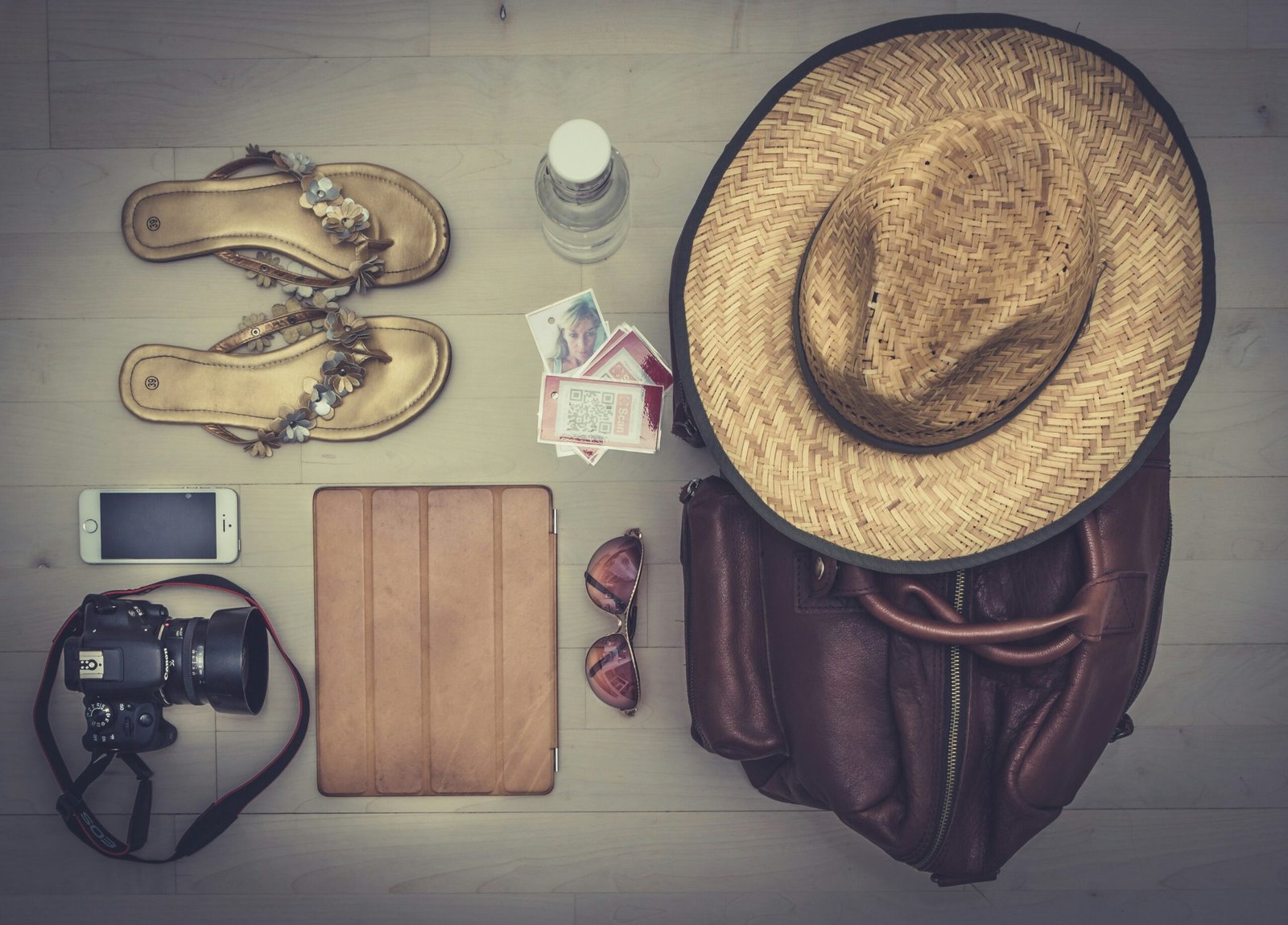
Packing can feel like a chore, but with a bit of planning, it doesn’t have to be a nightmare. The key to successful packing is to be strategic about what you bring and how you organize it. This guide will walk you through practical steps to make your next packing experience smoother, whether you’re heading for a weekend getaway or a longer adventure.
Before you even think about bags, the first step is to get real about what you actually wear. We all have those pieces that sit in the back of the closet, waiting for a “just in case” moment that never arrives.
Why Less is More
When packing, think about versatility. Can an item be dressed up or down? Does it pair with multiple other pieces you’re bringing? If not, it might be a candidate for staying home. Overpacking often leads to carrying a heavier bag and using only a fraction of what you brought. Embrace the idea that you can create many outfits from a few key items. This not only lightens your load but also simplifies your daily decisions while traveling.
The “Maybe” Pile Problem
Be ruthless with your “maybe” pile. If you’re unsure about an item, chances are you won’t wear it. A good rule of thumb is to ask yourself, “Have I worn this in the last three months?” If the answer is no, and it’s not a seasonal item relevant to your trip, then leave it behind. Another trick is to imagine you’re packing for half the time you’re actually traveling – it forces you to prioritize.
Laundry On the Go
Consider the possibility of doing laundry during your trip. Even hand-washing a few essentials can significantly reduce the amount of clothing you need to bring. Many accommodations offer laundry facilities, or you might find laundromats, especially in larger cities. Pack a small sachet of laundry detergent or a few detergent sheets if this is part of your plan. This simple consideration can free up valuable suitcase space and allow you to re-wear favorite items.
Smart Clothing Selection for Any Trip
Choosing the right clothes isn’t just about fashion; it’s about functionality and comfort. Think about your destination, activities, and the weather forecast.
Research Your Destination’s Climate
This might seem obvious, but a quick check of average temperatures and precipitation for your travel dates can save you from bringing unnecessary layers or being caught unprepared. Don’t just look at the high temperature; consider the lows, especially for evenings. Will there be a significant difference between day and night? This information will directly influence your jacket and shoe choices.
The Power of Layers
Layers are your best friend, especially when dealing with unpredictable weather or varying indoor/outdoor temperatures. A good layering system consists of a base layer (wicking fabric is great for active trips), a mid-layer for warmth (like a fleece or sweater), and an outer layer for protection from wind or rain. This allows you to adapt to changing conditions without needing a separate outfit for every scenario. Plus, layers often take up less space than one bulky item.
Mix-and-Match Outfits
Focus on bringing items that can be combined in multiple ways. Think neutral colors for bottoms and outer layers, allowing you to bring a few brightly colored tops or accessories to add variety. Before packing, lay out potential outfits. This visual check can quickly reveal if you have enough versatile pieces or if you’re bringing standalone items that won’t get much use. For example, three tops, two bottoms, and one outer layer can create several distinct looks.
Practical Footwear
Shoes are often the heaviest and bulkiest items you pack. Limit yourself to a maximum of three pairs: one comfortable walking pair, one slightly dressier but still comfortable option (if needed), and one pair for specific activities (e.g., hiking boots, sandals for the beach). Wear your bulkiest pair on the plane to save space in your luggage. Remember, blisters are no fun on vacation, so prioritize comfort and practicality.
Packing Strategies to Maximize Space

Once you know what you’re bringing, it’s time to figure out how to fit it all. There are a few popular methods, and the best one often depends on your luggage type and personal preference.
Rolling vs. Folding
The age-old debate! Rolling clothes tightly can save space and reduce wrinkles for many items, especially t-shirts, jeans, and pajamas. It creates compact, cylindrical bundles that fit well into crevices. Folding, on the other hand, is better for more structured items like blazers or formal shirts, as it helps maintain their shape. A hybrid approach often works best: roll softer items and fold stiffer ones.
Packing Cubes: Your Organization Allies
Packing cubes are game-changers. They allow you to compartmentalize your belongings, making it easier to find things without rummaging through your entire bag. You can dedicate cubes to specific categories (e.g., shirts, underwear, toiletries) or by outfit. This not only helps with organization but also compresses clothes slightly, freeing up valuable space. When you arrive at your destination, you can simply transfer the cubes directly into drawers, keeping your suitcase tidy.
The Empty Space Principle
Don’t let any space go to waste. Stuff socks, underwear, or small accessories into your shoes. Use the inside of hats for small, delicate items. Fill gaps around folded or rolled clothes with softer items. Every little bit of space you utilize contributes to a more efficient pack. This is where rolling smaller items really shines, as they can be tucked into almost any available void.
The “Heavy at the Bottom” Rule
For wheeled luggage, place heavier items (shoes, toiletry bags) at the bottom, near the wheels. This helps distribute weight evenly and prevents your suitcase from becoming top-heavy and tipping over. For backpacks, keep heavier items closer to your back to maintain balance and reduce strain on your shoulders. This small adjustment can make a big difference in how comfortable your bag feels to carry.
The Essentials: What You Can’t Afford to Forget

Beyond clothes, there are critical items that deserve a special spot in your packing plan. These are the things that, if forgotten, can genuinely disrupt your trip.
Medications and Prescriptions
This is non-negotiable. Always pack any prescription medications in your carry-on bag, along with a copy of your prescription or a letter from your doctor, especially if traveling internationally. Keep them in their original containers to avoid issues with security. Also, consider a small supply of over-the-counter essentials like pain relievers, allergy medicine, band-aids, and any personal remedies you might need. Don’t rely on being able to purchase these easily at your destination, especially if you have specific brands or requirements.
Important Documents
Passport, visas, driver’s license, travel insurance details, flight and accommodation confirmations, and emergency contact numbers – these are your lifeline. Keep physical copies and digital backups (e.g., in cloud storage, emailed to yourself, or on a secure app). Your carry-on is the safest place for these. Consider a document organizer or travel wallet to keep everything in one secure place that’s easily accessible.
Essential Toiletries (Travel Size!)
While you can often buy toiletries at your destination, having travel-sized versions of your absolute must-haves ensures you’re set for at least the first day or two. This is particularly important for specific brands or sensitive skin products. Remember TSA liquid rules for carry-on bags (3-1-1 rule: containers must be 3.4 ounces/100 milliliters or less, fit in one quart-sized bag, one bag per passenger). For checked luggage, you have more leeway, but still consider decanting larger bottles to save space and weight. Solid toiletries like shampoo bars or deodorant sticks are excellent space-savers and avoid liquid restrictions.
Tech and Chargers
In our digital age, this is huge. Phone, laptop, tablet, e-reader, camera – whatever tech you’re bringing, make sure you have all the corresponding chargers and any necessary adapters for international travel. A portable power bank can be a lifesaver for long travel days or when outlets are scarce. Keep all these in an easily accessible tech pouch in your carry-on. Don’t forget headphones for entertainment or calls.
Carry-On Considerations and Security
| Tip | Description |
|---|---|
| Roll your clothes | Rolling clothes instead of folding can save space and reduce wrinkles. |
| Use packing cubes | Organize and compress your clothes with packing cubes to maximize space. |
| Pack essentials in your carry-on | Ensure you have important items like medication and a change of clothes in your carry-on in case your checked luggage is lost. |
| Use travel-size containers | Transfer toiletries into travel-size containers to save space and comply with airline regulations. |
| Utilize empty space | Fill empty spaces in your luggage, such as shoes, with small items to maximize space. |
Your carry-on bag is your strategic advantage. It holds your most important items and provides a safety net if your checked luggage goes astray.
The “If My Bag Gets Lost” Kit
This is crucial. In your carry-on, pack a change of clothes (underwear, socks, top, bottom), essential toiletries, any medications, important documents, and anything valuable or irreplaceable. This way, if your checked bag is delayed or lost, you won’t be completely stranded. It’s a small precaution that offers immense peace of mind.
Navigating Security Checkpoints
Knowing the rules beforehand can save you stress and time. Liquids, aerosols, gels (LAGs) must adhere to the 3-1-1 rule. Laptops and other large electronics usually need to be removed from your bag for screening. Pack these items in an easily accessible part of your carry-on. Slip-on shoes can also speed up the process. A clear toiletry bag for your LAGs is also a smart move, making it quick to present to security.
Personal Item Power
Don’t underestimate the power of your personal item (the bag that fits under the seat in front of you). This is where you can keep items you’ll want frequent access to during your flight: a book, snacks, headphones, charger, eye mask, neck pillow, and your “if my bag gets lost” essentials. Organizing this bag well means less fumbling around during the journey.
By taking a thoughtful approach to packing, you can avoid common travel frustrations and ensure you have what you need without feeling overloaded. Happy travels!