Starting Your Search: Where to Look First
Finding the perfect hotel in the Tuscan countryside isn’t as straightforward as booking in a major city, but with a bit of planning, you can absolutely find that idyllic spot. The key is to start early, be flexible with your exact location, and understand what kind of experience you’re truly seeking. Forget chain hotels; you’re looking for agriturismos, boutique inns, and charming guesthouses. This guide will walk you through the practical steps to unearth those hidden gems.
Understanding the “Countryside” Concept
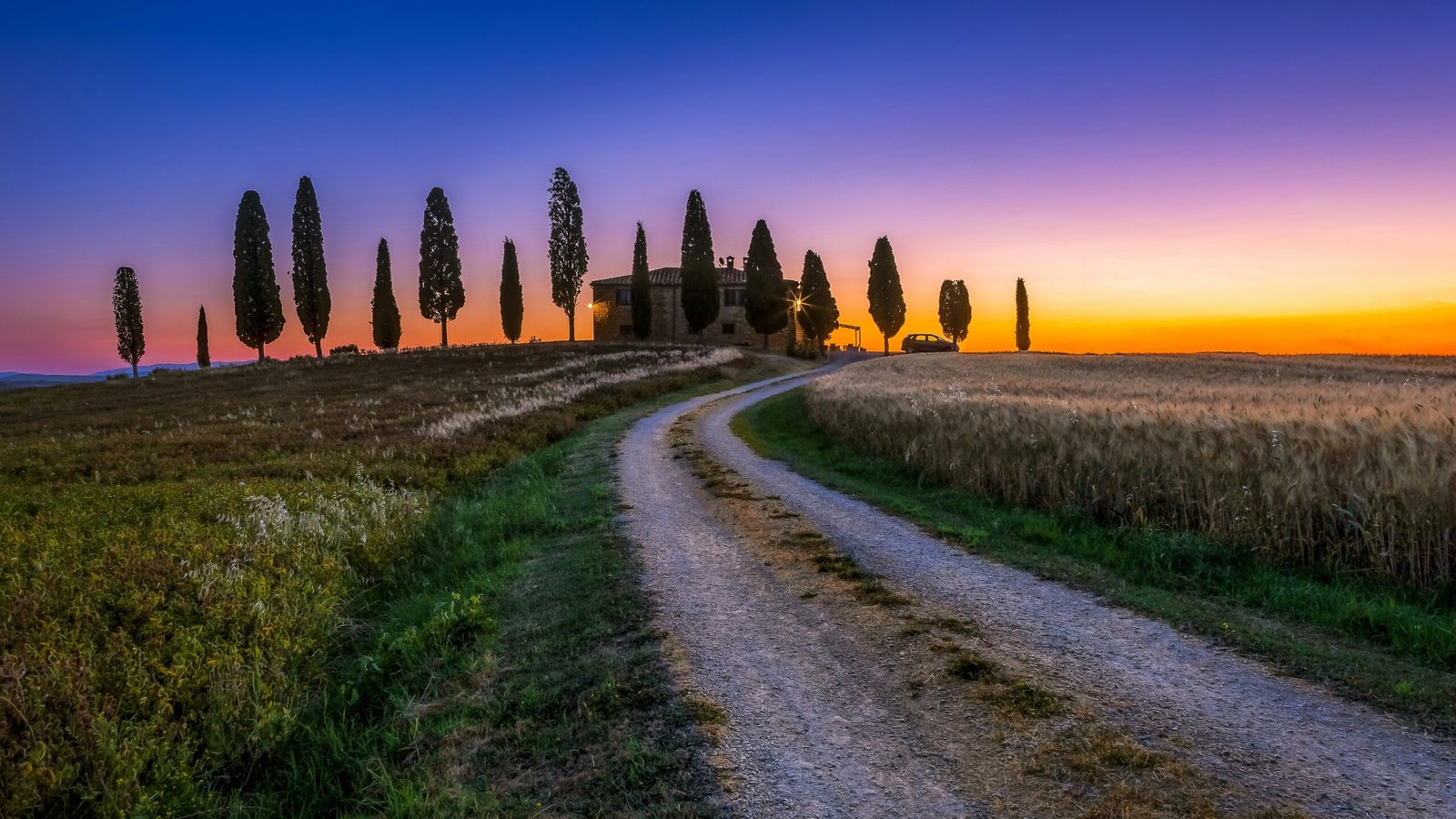
Before diving into specific booking sites, it’s crucial to grasp what “Tuscan countryside” really means. It’s not a single, monolithic area. It encompasses vast stretches of rolling hills, vineyards, olive groves, and small medieval towns. This means your hotel could be:
- Deeply rural: Requiring a car for absolutely everything, offering profound peace and quiet, and potentially limited dining options beyond the hotel.
- Near a small town: A good balance, allowing you to walk into a village for a coffee or dinner, but still feeling very much “in the country.”
- On the outskirts of a larger town: Offering easier access to amenities and public transport, but potentially less of that secluded, rustic feel.
Your preference here will significantly impact your search strategy. If you dream of absolute solitude, focus on more remote options. If you want a taste of local life without driving everywhere, target places close to towns like Montepulciano, Pienza, San Gimignano, or Greve in Chianti.
When to Book Your Tuscan Escape
Generally, for the best selection and prices, aim to book your Tuscan countryside accommodation at least 6-9 months in advance, especially if you’re traveling during peak season (May-June and September-October). For popular agriturismos or smaller, highly-rated spots, availability can disappear even sooner.
- Peak Season (May-June, September-October): These months offer fantastic weather and beautiful scenery, but also higher prices and more competition for rooms. Booking far ahead is essential.
- Shoulder Season (April, July-August, November): April can be lovely, though sometimes rainy. July and August are hot, but you might find better deals and fewer crowds if you can handle the heat. November sees cooler temperatures and fewer tourists. Booking 4-6 months out is often sufficient here.
- Off-Season (December-March): While many agriturismos close for part of this period, some remain open, offering very attractive rates and a quiet, authentic experience. Booking 2-3 months in advance is usually fine.
Last-minute bookings are rarely advisable for unique countryside stays. You’ll likely end up with leftover options that might not meet your expectations for location or charm.
When planning your trip to the enchanting Tuscany countryside, it’s essential to find the perfect hotel that suits your needs and preferences. For additional insights on travel tips that can enhance your experience, you might find this article helpful: Hidden Travel Tips. It offers valuable advice on navigating the region and discovering hidden gems that will make your stay even more memorable.
Key Websites and Platforms for Booking

Once you have a general idea of your desired location and booking window, it’s time to hit the internet. Don’t rely on just one site; cross-referencing is key to finding the best options and prices.
Specialized Agriturismo Websites
These are often your best bet for finding authentic farm stays, which are a quintessential Tuscan experience. Agriturismos are working farms that also offer accommodation, often with home-cooked meals using their own produce.
- Agriturismo.it: This is arguably the most comprehensive and user-friendly site dedicated to agriturismos across Italy. You can filter by region, services (pool, restaurant, cooking classes), and even type of farm (wine, olive oil, animals). The descriptions are usually quite detailed, and many properties have good photo galleries.
- Agriturismoitalia.gov.it: This is the official Italian government portal for agriturismos. While perhaps less slick than Agriturismo.it, it offers a verifiable list of legitimate agriturismos. It can be a bit clunky to navigate, but it’s a good cross-reference tool.
- Rurality.com: Another solid option for agriturismos and country houses. It has a good search function and often features properties with character.
When using these sites, pay close attention to the reviews and the “services” section. Not all agriturismos are created equal; some are luxurious, others are very rustic. Make sure their offerings align with your expectations.
Major Online Travel Agencies (OTAs)
While OTAs are often associated with larger, more generic hotels, many smaller, independent countryside properties also list themselves here, especially if they cater to international visitors.
- Booking.com: This is probably your strongest OTA option. It has an extensive filter system that allows you to narrow down by property type (farm stay, guesthouse, B&B), location, amenities (pool is crucial in Tuscany), and guest rating. Crucially, it has a vast database of user reviews, which are invaluable.
- Expedia.com / Hotels.com (often the same inventory): Similar to Booking.com, these sites offer a wide selection and filters. Compare prices, as sometimes one might have a slightly better deal or a different set of available rooms.
- Airbnb/VRBO: While primarily for vacation rentals, many smaller guesthouses and even some agriturismos list individual rooms or small apartments on these platforms. You might find unique, locally-managed properties here. Be aware of cleaning fees and service charges, which can add up.
The benefit of OTAs is the sheer volume of options and the ease of comparing prices and amenities side-by-side. The downside is that they sometimes lack the deep focus on authentic agriturismo experiences that the specialized sites offer.
Direct Booking and Google Maps
Once you’ve identified a few promising candidates on the above platforms, always do a quick search for their official website.
- Official Hotel Websites: Many independent hotels and agriturismos offer better rates if you book directly through their own website. They save on OTA commissions, and sometimes pass those savings on to you. You might also find special packages or added perks (like a welcome drink or free wine tasting) not available elsewhere.
- Google Maps: This is an indispensable tool. Once you have a shortlist of towns or specific properties, plug them into Google Maps. Zoom in to see the exact location, check for nearby roads, restaurants, or points of interest. Use Street View if available to get a feel for the immediate surroundings. You can also search “hotels near [town name]” directly within Google Maps, and it will often pull up smaller, independently owned places that might not show up prominently on larger OTAs.
Direct booking also gives you a direct line of communication with the property owners, which can be invaluable for special requests or clarifying details.
What to Look for in a Tuscan Countryside Hotel

Choosing the right place goes beyond just availability and price. The “vibe” and practicalities are incredibly important for a successful Tuscan experience.
Location, Location, Location (and a Car)
We’ve touched on this, but it bears repeating: your chosen location will dictate much of your experience.
- Central Tuscany (Chianti, Val d’Orcia): These are the iconic rolling hills. Chianti is famous for wine, charming villages like Greve, Panzano, and Castellina. Val d’Orcia (Pienza, Montepulciano, Montalcino) offers those classic postcard views and renowned wines. Both require a car for exploration.
- Northern Tuscany (near Florence, Siena): If you plan many day trips into these larger cities, consider staying slightly closer, but still outside the city limits for that countryside feel.
- Southern Tuscany (Maremma): Less touristy, wilder landscapes, and closer to the coast. A good option if you want to combine country and beach.
A Car is Almost Always Essential: Unless you are staying in a village and plan to only walk or use limited local buses, assume you will need a rental car. Public transport in the deep countryside is scarce and inconvenient for exploring. Ensure your chosen accommodation has adequate, free parking.
Essential Amenities for Comfort
While you’re probably not looking for a business center, certain amenities are crucial for a comfortable stay in the Tuscan countryside.
- Air Conditioning: Especially vital if traveling in July or August. Many older, stone buildings stay naturally cool, but modern AC is a blessing on hot nights. Always double-check if it’s specifically mentioned.
- Pool: A pool is a major draw during warmer months, offering a refreshing respite after a day of sightseeing. Many agriturismos have beautiful pools with panoramic views.
- Wi-Fi: While you might want to disconnect, reliable internet is usually necessary for planning, navigation, and staying in touch. Confirm its availability and whether it’s free.
- Restaurant/Dining Options: If you’re staying in a remote location, an on-site restaurant or the option for dinner (often referred to as “cena” at agriturismos) can be a lifesaver. Some agriturismos offer half-board options (breakfast and dinner included) which can be excellent value.
- Kitchenette: If you prefer to self-cater some meals, an apartment-style room with a small kitchen is a fantastic option. This is common in agriturismos.
- Laundry Facilities: Especially for longer stays, access to laundry can be very convenient.
Reading Reviews and Understanding Ratings
Don’t just look at the star rating; dive into the actual comments.
- Look for patterns: If multiple reviews mention a specific issue (e.g., poor Wi-Fi, difficult access road, noisy guests), take note.
- Read recent reviews: Things can change. A review from three years ago might not reflect the current situation.
- Pay attention to responses from management: How the property owners respond to criticism can tell you a lot about their customer service.
- Filter by language: If you speak Italian, reading reviews in the local language might offer different insights.
Look for comments about the host’s hospitality, the quality of the breakfast, the cleanliness of the rooms, and the beauty of the surroundings. These subjective elements are often what make a countryside stay truly special.
Types of Accommodation: Beyond Just “Hotel”
Tuscany’s countryside offers a rich variety of lodging experiences, each with its own charm. Understanding these categories will help you narrow your search to something that truly fits your travel style.
Agriturismos: The Quintessential Tuscan Experience
As mentioned, agriturismos are working farms that also host guests. This is often the most authentic way to experience rural Tuscany.
- Pros: Authentic local experience, often includes farm-to-table meals (sometimes with cooking classes), beautiful rural settings, opportunity to interact with local families, great for families with kids (animals, space to run), often have pools.
- Cons: Can be very remote, requires a car, often rustic (though some are quite luxurious), potentially limited amenities compared to a full-service hotel, usually no 24/7 reception.
- What to Expect: Expect comfortable, sometimes simple, rooms or apartments within converted farmhouses. Breakfast is typically included, and many offer dinner (cena), which is often a highlight – a set menu of local dishes prepared with ingredients from the farm.
Boutique Hotels and Country Resorts
These are typically more polished and offer a higher level of service and amenities than a basic agriturismo, while still being located in a beautiful countryside setting.
- Pros: Higher comfort level, often more luxurious amenities (spas, fine dining restaurants, concierge services), beautifully designed interiors, professional staff, often located near towns for easier access.
- Cons: Higher price point, can feel less “authentic” than a family-run agriturismo, might attract a different kind of clientele.
- What to Expect: Elegant rooms, often with designer touches. Immaculate grounds, fine dining options, and a more structured service model. These are great for those who want luxury amidst the natural beauty.
Bed & Breakfasts (B&Bs) and Guesthouses
These are usually smaller, family-run establishments offering rooms within a private home or a converted historical building.
- Pros: Intimate and personal service, often located within charming villages, good opportunity to interact with local hosts, typically good value.
- Cons: Limited amenities (e.g., no pool, no full-service restaurant), sometimes shared bathrooms (less common now but worth checking), less privacy than a larger hotel.
- What to Expect: A warm welcome from the owners, a home-cooked breakfast, and personalized recommendations for local activities and dining. They offer a more “living like a local” feel.
Villas and Vacation Rentals
If you’re traveling with a larger group or prefer complete privacy and self-sufficiency, renting an entire villa or a dedicated apartment is a fantastic option.
- Pros: Complete privacy, space for larger groups or families, option to cook your own meals, often come with private pools and stunning views.
- Cons: Often requires a longer minimum stay (e.g., a week), can be more expensive overall, no daily housekeeping or hotel services, requires more self-planning.
- What to Expect: A fully equipped home, often with multiple bedrooms, a kitchen, living areas, and outdoor space. This is a great choice if you want to create your own schedule and truly live like a local for an extended period. Look on sites like Airbnb, VRBO, or specialized villa rental agencies.
When planning your stay in the picturesque Tuscany countryside, it’s essential to consider various accommodation options that suit your preferences and budget. For a comprehensive guide on the best hotels and resorts available in the region, you can explore this informative article. It offers insights into unique stays that enhance your experience of Tuscany’s stunning landscapes and rich culture. To learn more about these exceptional places, check out the article on best hotels and resorts.
Practical Tips for a Smooth Stay
Once you’ve booked your ideal spot, there are a few more practical considerations to ensure your Tuscan countryside experience is as seamless and enjoyable as possible.
Communication with Your Host
Especially with smaller, independent properties, direct communication with your host or the property owner is invaluable.
- Before Arrival: Confirm your arrival time, especially if it’s outside standard check-in hours. Inquire about specific directions if the property is hard to find (GPS coordinates are often helpful for rural spots). Ask about dinner options if you plan to eat on-site your first night.
- During Your Stay: Don’t hesitate to ask for recommendations on local restaurants, wineries, or hidden gems. Most hosts are passionate about their region and happy to share their knowledge. If you have any issues with your room or amenities, communicate politely and directly.
Many hosts in tourist areas will speak at least some English, but learning a few basic Italian phrases (“buongiorno,” “grazie,” “per favore”) will always be appreciated.
Navigating the Countryside
Getting around Tuscany’s hills is part of the adventure, but it requires some preparation.
- GPS and Offline Maps: While your phone’s GPS is generally reliable, cell signal can be spotty in truly rural areas. Download offline maps for Tuscany on Google Maps or another app before you go. This ensures you can navigate even without an internet connection.
- Road Quality: Expect winding, narrow roads. Some agriturismos are accessed via unpaved “strade bianche” (white roads). These are usually manageable in a regular car, but drive slowly and carefully. Don’t be surprised if your GPS takes you down some interesting routes!
- Parking: Always confirm parking arrangements. Most countryside properties offer free on-site parking, but it’s good to know exactly where it is. In towns, parking can be tricky; look for “Parcheggio” signs, and be aware of ZTL (Limited Traffic Zone) areas which can result in fines if you enter without a permit.
Dining Experiences in the Countryside
One of the highlights of a Tuscan countryside stay is the food.
- Agriturismo Dinners (Cena): If your agriturismo offers dinner, take it! These are often fixed menus featuring fresh, seasonal, local ingredients, paired with local wines. It’s an immersive and delicious experience. Book in advance if possible.
- Local Trattorias and Osterias: Seek out small, family-run restaurants in nearby towns. Ask your host for recommendations – they’ll know the best spots. These places often offer incredible value and authentic Tuscan cuisine.
- Booking Tables: Especially during peak season or for popular restaurants, it’s wise to book a table for dinner, even in smaller towns.
- Lunch: Lunch is often a lighter affair, perhaps a panino from a local deli, or a simple pasta dish. Many restaurants close between lunch and dinner, so plan accordingly.
Being Flexible and Embracing the Pace
Finally, remember that the Tuscan countryside operates at a different pace than a bustling city.
- “Dolce Vita”: Embrace the slower rhythm. Shops might close in the afternoon for a siesta. Restaurants have specific opening hours. Things might not always happen as quickly as you expect.
- Unexpected Charm: Sometimes the most memorable experiences are the unplanned ones – a spontaneous conversation with a local, discovering a hidden path, or simply sitting on your terrace watching the sunset.
- Enjoy the Views: You’re in one of the most beautiful landscapes in the world. Take time to simply absorb it, without a packed itinerary.
By keeping these practical points in mind, you’ll be well-prepared to not just find, but truly enjoy, your perfect hotel in the Tuscan countryside. Happy planning!
FAQs
1. Can I find luxury hotels in the Tuscany countryside?
Yes, there are several luxury hotels in the Tuscany countryside that offer top-notch amenities, stunning views, and exceptional service. Some options include boutique hotels, historic villas, and upscale resorts.
2. Are there budget-friendly accommodation options in the Tuscany countryside?
Absolutely, there are budget-friendly accommodation options in the Tuscany countryside such as agriturismos, guesthouses, and bed and breakfasts. These options provide a more affordable stay while still allowing you to experience the beauty of the region.
3. How can I find hotels in the Tuscany countryside with vineyard views?
To find hotels in the Tuscany countryside with vineyard views, you can search for accommodations located on or near vineyards. Many hotels offer rooms or suites with balconies or terraces overlooking the picturesque vineyards, providing a truly authentic Tuscan experience.
4. What amenities can I expect at hotels in the Tuscany countryside?
Hotels in the Tuscany countryside typically offer amenities such as swimming pools, spa facilities, on-site restaurants serving local cuisine, wine tastings, cooking classes, and guided tours of the surrounding area. Some hotels may also provide bike rentals or horseback riding excursions.
5. Is it necessary to rent a car when staying at a hotel in the Tuscany countryside?
While having a car can provide more flexibility to explore the Tuscany countryside, it is not always necessary. Some hotels offer shuttle services to nearby towns or attractions, and you can also use public transportation or book guided tours to explore the region without a car.