
When I first stepped off the plane in Accra, the humid air, thick with the scent of exhaust fumes and something vaguely floral, hit me like a warm embrace. Ghana. The name itself had always conjured images of vibrant markets, rich history, and a warmth that extended beyond the equatorial sun. As a first-time visitor, I was a bundle of eager anticipation and a healthy dose of trepidation, armed with a guidebook and a vague understanding of what awaited me. My journey was a revelation, a tapestry woven with unforgettable experiences, and I’m here to share what I discovered, hoping to guide you through your own inaugural Ghanaian adventure.
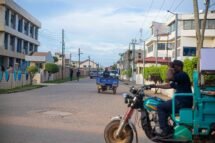
Accra is where most journeys begin, and it’s a city that demands to be explored with all your senses. It’s a bustling metropolis, a fascinating blend of old and new, where colonial architecture stands stoically beside gleaming modern skyscrapers. I found myself constantly captivated by the sheer energy of the place, the cacophony of car horns, the calls of street vendors, and the infectious laughter that seemed to emanate from every corner.
Dive into the Bustle of Makola Market
My first true immersion into Ghanaian life happened at Makola Market. Forget your sanitized tourist traps; this is the real deal. It’s a sprawling labyrinth of stalls, a vibrant explosion of colors, sounds, and smells. I remember feeling a little overwhelmed at first, the sheer volume of people and goods almost overwhelming. But then, the warmth of the vendors, their smiles as they beckoned me to look, began to break down my initial reserve. I saw mountains of fresh produce – pyramids of mangoes, impossibly red tomatoes, and exotic fruits I’d never even heard of. There were stalls overflowing with fabrics in every conceivable pattern, clothing neatly folded, and crafts ranging from intricate beadwork to carved wooden figures. I spent hours just wandering, bargaining (mostly unsuccessfully, but with good humor), and observing the daily rhythm of Ghanaian commerce. Don’t be afraid to engage; a friendly “Akwaaba!” (Welcome!) goes a long way. I even found myself learning a few basic Twi phrases, much to the delight of the local traders. The experience is more than just shopping; it’s a cultural education.
Uncover History at the National Museum of Ghana
To truly understand Ghana, you must delve into its past. The National Museum of Ghana, though undergoing renovations during my visit, still offered a poignant glimpse into the country’s rich heritage. I particularly found the exhibits on traditional Ghanaian life and the artifacts from various ethnic groups fascinating. Understanding the history of the slave trade, its devastating impact, and Ghana’s subsequent journey to independence is crucial for appreciating the nation’s present. I spent a good chunk of my afternoon here, reading the descriptions, looking at the photographs, and trying to absorb the weight of centuries. It’s a sobering but essential part of any visit.
Reflect at Independence Square and Kwame Nkrumah Mausoleum
Standing in Independence Square, a vast open space with the iconic Independence Arch, I felt a sense of profound respect for the struggle for freedom. It’s a place where Ghanaians gather to celebrate national holidays and commemorate important events. Adjacent to the square is the Kwame Nkrumah Mausoleum, a tribute to Ghana’s first president and a leading figure in the Pan-African movement. The architecture is imposing, and the museum inside provides a comprehensive overview of Nkrumah’s life and his significant contributions to Ghana and Africa. I sat by the mausoleum for a while, contemplating the legacy of such a pivotal figure.
Explore Jamestown’s Vibrant Streets
Jamestown, the historic fishing district of Accra, is a photographer’s dream and a cultural hotspot. As I navigated its narrow, winding streets, I encountered vibrant street art, weathered colonial buildings, and the bustling fishing harbor. The air here is thick with the smell of the sea and the aroma of grilled fish. I watched the fishermen bringing in their catch, their nets heavy with the bounty of the ocean. The local boys playing football in the dusty streets, their laughter echoing, added to the lively atmosphere. I also visited the Jamestown Lighthouse, offering panoramic views of the coast and the city. It’s a place that feels alive, a testament to the resilience and spirit of its people.
Enjoy the Nightlife and Culinary Delights
Accra’s nightlife is as diverse as its people. From relaxed rooftop bars offering stunning city views to vibrant clubs pulsating with Afrobeats, there’s something for everyone. I enjoyed sampling local dishes at various restaurants and street food stalls. The variety of flavors, from spicy jollof rice to hearty fufu, was incredible. Don’t shy away from trying street food; it’s often the most authentic and delicious. I specifically remember a roadside vendor selling grilled plantains that were out of this world.
For first-time visitors to Ghana, exploring the rich history and vibrant culture is essential. One must-visit location is the Cape Coast Castle, a UNESCO World Heritage site that offers a profound insight into the country’s past. To enhance your travel experience, you can check out this related article on things to do in Ghana near Cape Coast Castle, which provides valuable information on nearby attractions and activities. For more details, visit this link.
Journey into Ghana’s Deep History: The Cape Coast Region
Venturing beyond Accra, the Cape Coast region beckoned with its poignant historical sites and beautiful coastline. This area is deeply intertwined with Ghana’s past, particularly the transatlantic slave trade, and visiting its historical castles is a profoundly moving experience.
Confronting the Past at Cape Coast Castle
No visit to Ghana is complete without a visit to Cape Coast Castle. This UNESCO World Heritage site stands as a stark reminder of the brutal realities of the slave trade. Walking through its dungeons, the air thick with an almost palpable sense of despair, was an emotionally draining experience. I stood in the “Point of No Return,” the very doorway through which enslaved Africans were forced onto ships bound for a life of unimaginable suffering. The stories shared by our guide, a descendant of enslaved people, were heartbreakingly powerful. It’s a place that demands reflection, a critical understanding of history, and a commitment to never forgetting. I left the castle with a heavy heart, but also with a deeper appreciation for the resilience of the human spirit.
Exploring Elmina Castle’s Echoes of History
Just a short distance from Cape Coast Castle lies Elmina Castle, another UNESCO World Heritage site with a similarly somber history. Built by the Portuguese in the 15th century, it was later occupied by the Dutch and the British. The architecture is impressive, with its imposing fortifications and sprawling courtyards. As I explored its various rooms and chambers, I imagined the lives of those who were held captive here, the cries that must have echoed through its walls. The views from the ramparts, overlooking the bustling fishing harbor of Elmina, offered a stark contrast between the historical tragedy and the vibrant present.
Relax on the Beaches of the Cape Coast Region
While the history here is undoubtedly heavy, the Cape Coast region also offers moments of tranquility. The beaches, though not as pristine as some tropical paradises, possess a raw, natural beauty. I enjoyed a quiet afternoon at Kakum Beach, watching the waves crash against the shore and the local fishermen at work. The pace of life here is slower, allowing for reflection and a chance to absorb the atmosphere.
Discover the Natural Wonders of Kakum National Park

For a refreshing escape from the historical sites, Kakum National Park offers a different kind of immersion – into Ghana’s lush rainforest. It’s a place where nature truly takes center stage, and the experience of walking among the treetops is unforgettable.
Conquer the Canopy Walkway
The star attraction of Kakum National Park is undoubtedly the Canopy Walkway. This suspended bridge system takes you high above the rainforest floor, offering a unique perspective on the diverse flora and fauna. Walking along the swaying bridges, with the dense jungle spread out below me, was exhilarating. I spotted various bird species, and our guide pointed out different medicinal plants and the towering trees. It’s a thrilling adventure, but also a gentle reminder of the importance of conservation. I felt a profound sense of peace surrounded by the vibrant greenery.
Hike Through the Rainforest Trails
Beyond the canopy walk, Kakum National Park offers several hiking trails that allow for a closer exploration of the rainforest. I opted for a guided hike, which was invaluable for identifying plants and understanding the ecosystem. The air was cool and damp, filled with the sounds of insects and the calls of unseen creatures. It’s a sensory experience, a chance to connect with the natural world in a profound way.
Embrace the Culture and Traditions of Kumasi

Kumasi, the capital of the Ashanti Region, is the heartland of the Ashanti people, renowned for their rich history, vibrant traditions, and intricate craftsmanship. It’s a city that exudes a sense of proud heritage.
Witness the Splendor of the Manhyia Palace Museum
The Manhyia Palace Museum, the former residence of the Ashanti kings, is an absolute must-visit. Stepping inside, I felt transported back in time. The palace is filled with artifacts, photographs, and regalia that tell the story of the powerful Ashanti Empire. I learned about the history of the Golden Stool, a symbol of Ashanti unity and power, and the intricate social structure of the kingdom. The exhibits are meticulously curated, and the guides are knowledgeable and passionate. It’s a fascinating glimpse into a once-mighty empire.
Explore the Vibrant Kejetia Market
Kejetia Market in Kumasi is often described as one of the largest open-air markets in West Africa, and it lives up to its reputation. It’s a sensory overload in the best possible way. The sheer scale of the market is staggering, with endless rows of stalls selling everything from textiles and traditional crafts to food and household goods. I found myself drawn to the vibrant Kente cloth, woven in intricate patterns and rich colors. Bargaining here is an art form, and I enjoyed the playful interactions with the vendors. This is where you truly feel the pulse of Kumasi.
Learn About Ashanti Crafts
The Ashanti people are renowned for their craftsmanship, and Kumasi is the place to witness this firsthand. I visited various workshops where artisans practiced traditional crafts such as Kente weaving, Adinkra cloth stamping, and wood carving. Seeing the dedication and skill involved in creating these beautiful pieces was inspiring. I even tried my hand at stamping an Adinkra symbol, though my results were far less impressive than the master artisans!
For first-time visitors to Ghana, exploring the vibrant culture and stunning landscapes can be an unforgettable experience. To enhance your travel planning, you might find it helpful to read about common tourist mistakes that can impact your journey. For instance, understanding what to avoid in a bustling city like London can provide valuable insights for navigating new environments. Check out this informative article on tourist mistakes that can help ensure your trip to Ghana is as enjoyable as possible.
Experience the Hospitality and Warmth of the Ghanaian People
Beyond the historical sites and vibrant cities, what truly made my trip to Ghana unforgettable was the people. Their warmth, hospitality, and genuine kindness left an indelible mark on my heart.
The Generosity of Strangers
Everywhere I went, I was met with smiles and greetings. Whether I was asking for directions, trying to navigate a market, or simply sitting and observing, Ghanaians were eager to engage. I had countless spontaneous conversations, learned about their lives, and shared stories. The hospitality extended to me was truly humbling. I was invited for meals, offered assistance without hesitation, and treated like a valued guest.
The Vibrant Music and Dance Scene
Ghana is alive with music and dance. From the infectious rhythms of Highlife and Afrobeats to the traditional drumming and dancing of various ethnic groups, music is an integral part of Ghanaian culture. I had the opportunity to witness several performances, and the energy and joy of the dancers were contagious. If you get the chance, don’t hesitate to join in; it’s a wonderful way to connect with the local spirit.
The Delicious Flavors of Ghanaian Cuisine
As I mentioned before, the food in Ghana is a culinary adventure. From hearty stews and fufu to grilled meats and fresh seafood, the flavors are rich and diverse. Don’t be afraid to step outside your comfort zone and try new dishes. Each region offers its own specialties, so be sure to explore the local delicacies. The street food scene is particularly vibrant and delicious.
My first journey to Ghana was more than just a trip; it was an awakening. It was a journey through history, a vibrant immersion in culture, and a profound connection with the most welcoming people. If you’re considering a trip to Ghana, I urge you to embrace the adventure, open your heart to the experiences, and prepare to be captivated by the magic of this incredible West African nation. Akwaaba!
FAQs
What are some must-visit attractions in Ghana for first-time visitors?
Some must-visit attractions in Ghana for first-time visitors include Cape Coast Castle, Kakum National Park, Mole National Park, and the bustling markets in Accra.
What cultural experiences can first-time visitors enjoy in Ghana?
First-time visitors to Ghana can enjoy cultural experiences such as attending traditional festivals, exploring local markets, trying Ghanaian cuisine, and visiting historical sites related to the transatlantic slave trade.
Is it safe for first-time visitors to travel to Ghana?
Ghana is generally considered a safe destination for travelers, including first-time visitors. However, it is always important to take standard safety precautions such as being aware of your surroundings and avoiding risky areas, especially at night.
What is the best time of year to visit Ghana for first-time visitors?
The best time to visit Ghana for first-time visitors is during the dry season, which typically runs from November to March. This period offers pleasant weather for exploring the country’s attractions and participating in outdoor activities.
What are some recommended activities for first-time visitors in Ghana?
Recommended activities for first-time visitors in Ghana include visiting the Ashanti Region to learn about the rich history of the Ashanti Kingdom, taking a canopy walk in Kakum National Park, exploring the vibrant nightlife in Accra, and relaxing on the beautiful beaches along the coast.