Morocco. The word itself conjures images of spice-laden souks, vibrant colors, and the whisper of desert winds. For years, it sat high on my travel wish list, a mosaic of sensory delights I was eager to piece together. And when I finally made it there, I discovered that while many of Morocco’s treasures are accessible through wandering and soaking in the atmosphere, there are certain experiences that truly elevate a trip, turning a good vacation into an unforgettable adventure. These are the moments that imprint themselves on your memory, the ones that make you feel like you’ve truly tasted Morocco. I’m talking about the experiences that, for me, were absolutely worth every dirham.
My exploration of Morocco began, as it does for many, with its storied Imperial Cities. These weren’t just places to see; they were living museums, each with its own distinct personality, whispering tales of sultans, dynasties, and intricate craftsmanship. While simply strolling through the medinas is a delight, investing in guided tours and unique cultural encounters within these historical hubs unlocked layers of understanding and appreciation I wouldn’t have otherwise grasped.
A Deep Dive into Marrakech’s Labyrinthine Medina with a Local Guide
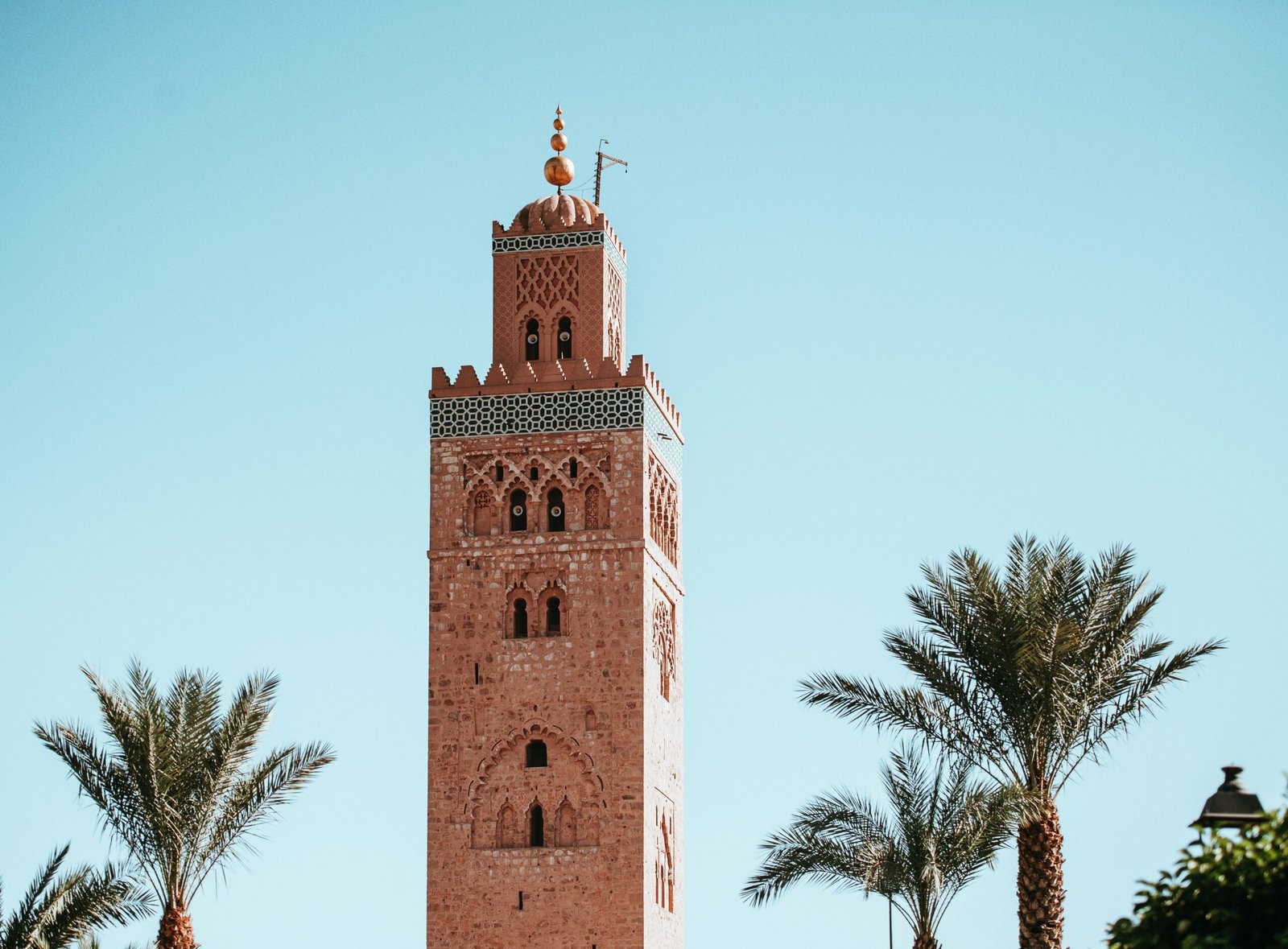
Marrakech. The Red City. It’s a whirlwind of sights, sounds, and smells, and I quickly realized that navigating its sprawling medina without a guide would have been an exercise in delightful chaos, but ultimately, a missed opportunity for true insight. I booked a full-day guided tour, and it was one of the best decisions I made. My guide, a man named Karim whose family had lived in the medina for generations, was a treasure trove of knowledge. He didn’t just point out landmarks; he wove narratives, sharing anecdotes about the merchants, the artisans, and the daily rhythms of life that have pulsed through these ancient streets for centuries.
Unraveling the Secrets of the Bahia Palace and Saadian Tombs
Our first stop was the Bahia Palace, a breathtaking testament to 19th-century Moroccan architecture. Walking through its opulent courtyards, admiring the intricate zellige tilework, the carved stucco, and the painted cedarwood ceilings, felt like stepping into a sultan’s dream. Karim explained the symbolism behind the designs, the history of the vizier who commissioned it, and the lives of the women who once resided within its walls. It was far more than just looking at pretty decorations; it was understanding the artistry and the social structure it represented. Similarly, the Saadian Tombs, hidden away for centuries and rediscovered in the early 20th century, were a revelation. The delicate marble mausoleums, adorned with exquisite carvings, spoke of a forgotten dynasty’s grandeur. Without Karim’s explanations about the historical context and the architectural significance, these would have been beautiful ruins; with him, they became stories brought back to life.
Navigating the Djemaa el-Fna: More Than Just a Tourist Hotspot
The Djemaa el-Fna, Marrakech’s iconic main square, is an experience in itself, especially as dusk descends and it transforms into a vibrant open-air spectacle. While it’s easy to be overwhelmed by the snake charmers, storytellers, and food stalls, a guided tour helped me to engage with it on a deeper level. Karim showed me the best spots to observe without feeling hassled, explained the cultural significance of the various performers, and even helped me haggle for a few small souvenirs with a confidence I wouldn’t have possessed alone. He also steered me towards some of the more authentic food stalls, explaining the dishes and the local ingredients. This wasn’t just about finding good food; it was about understanding the culinary heritage.
Exploring Fes: A Living Medieval City
Fes, my next Imperial City, felt even more like stepping back in time. Its medina, Fes el-Bali, is a UNESCO World Heritage site and the largest car-free urban area in the world. I opted for a guided walking tour here as well, and again, it proved invaluable. The maze-like streets, the sheer scale of the medina, and the overwhelming number of artisan workshops meant that going it alone would have been exhausting and confusing.
Delving into the Al-Qarawiyyin University and the Tanneries
My guide in Fes, a knowledgeable woman named Fatima, led me through the labyrinthine alleys, her voice a steady presence amidst the bustling activity. She took me to the Al-Qarawiyyin University, one of the oldest universities in the world, explaining its history and significance in Islamic scholarship. While we couldn’t enter all parts of the complex as non-Muslims, seeing its grand courtyards and the beautiful architecture from designated vantage points was awe-inspiring. The most famous, and perhaps most olfactory, experience was visiting the Chouara Tannery. Standing on a balcony overlooking the vats of colorful dyes where men have worked for centuries, was an unforgettable sensory experience. Fatima explained the traditional process, the natural dyes used, and the importance of this craft to Fes. Yes, the smell is intense, but understanding the ancient methods behind the beautiful leather goods that fill the souks made it a worthwhile, if pungent, encounter.
Discovering the Intricacies of Moroccan Crafts: Pottery, Metalwork, and More
Fatima also made sure to introduce me to the master artisans of Fes. I visited workshops where potters meticulously shaped clay into intricate tagine pots and decorative tiles, saw metalworkers hammer out delicate lanterns and trays, and learned about the weaving techniques used to create vibrant carpets. I bought a few pieces directly from the artisans, and the conversations I had with them about their craft, their families, and their traditions were as valuable as the objects themselves. This was more than just shopping; it was a direct connection to the living heritage of Fes.
If you’re planning a trip to Morocco and looking for unique experiences, you might also be interested in exploring luxurious accommodations to enhance your stay. For a delightful blend of culture and comfort, check out this article on the top hotels near the Eiffel Tower, which offers insights into some of the best places to stay while visiting Paris. You can find more information in the article here: Top 15 Hotels Near Eiffel Tower: Your Ultimate Parisian Stay.
A Desert Odyssey: Sleeping Under the Stars in the Sahara
No trip to Morocco would be complete without venturing into the vast expanse of the Sahara Desert. This was an experience I had dreamed of for years, and the reality far exceeded my expectations. While there are certainly ways to see the desert on a budget, I chose to invest in a more immersive and comfortable experience, and I’m so glad I did.
Embarking on a Camel Trek into the Erg Chebbi Dunes
My desert adventure began with a camel trek. I’d seen pictures, but nothing prepared me for the feeling of being perched atop a gentle giant, swaying rhythmically as we ventured deeper into the towering Erg Chebbi dunes. The sheer scale of the landscape, the shifting sands that painted a mesmerizing canvas, and the profound silence broken only by the soft padding of camel hooves were utterly captivating. It was a moment of pure, unadulterated peace and wonder.
Witnessing a Saharan Sunset and Sunrise: A Spectacle of Light and Color
The highlight of my desert journey was undoubtedly witnessing the sunset and sunrise over the dunes. As the sun dipped below the horizon, it painted the sky in hues of orange, pink, and purple, casting long shadows across the sand and transforming the landscape into a fiery spectacle. The silence was profound, and the beauty was overwhelming. The next morning, I was up before dawn to catch the sunrise, a equally breathtaking display of light and color as the desert slowly awoke. These were moments that truly made me feel insignificant in the grand scheme of things, yet deeply connected to the natural world.
Experiencing Berber Hospitality in a Desert Camp
I chose to stay in a “luxury” desert camp, and the comfort and hospitality I received were exceptional. After our camel trek, we were welcomed with traditional Berber tea, a sweet and refreshing ritual. My tent was surprisingly comfortable, equipped with a proper bed and en-suite bathroom. The evening was filled with delicious traditional Moroccan food, followed by a campfire under the impossibly starry sky. Listening to Berber music, sharing stories with fellow travelers and our hosts, and simply gazing at the Milky Way stretching across the inky blackness was an experience I will never forget. This wasn’t just a place to sleep; it was a cultural immersion, a chance to connect with the nomadic spirit of the desert. The ability to truly disconnect from the world and be present in such a magical environment was priceless.
Indulging in Moroccan Cuisine: A Culinary Journey for the Senses

Moroccan food is a feast for the senses, a vibrant tapestry of flavors, aromas, and textures. While I enjoyed many delicious meals in casual settings, I also made a conscious effort to invest in culinary experiences that went beyond the everyday. These were the moments where I learned, tasted, and truly savored the essence of Moroccan gastronomy.
A Hands-On Moroccan Cooking Class in Marrakech
One of the most rewarding experiences I had was participating in a Moroccan cooking class in Marrakech. I’ve always enjoyed cooking, and the opportunity to learn the secrets behind classic dishes like tagine and couscous from a local chef was irresistible. We spent the morning at a local market, selecting fresh ingredients, learning about the different spices, and understanding the nuances of Moroccan produce. Then, in a beautiful riad kitchen, we worked together to prepare a multi-course meal. My chef was patient and passionate, sharing tips and tricks that I’ve since incorporated into my own cooking. The satisfaction of then enjoying the delicious meal we had prepared ourselves, paired with local wine, was immense. It wasn’t just about learning recipes; it was about understanding the soul of Moroccan cuisine.
Mastering the Art of Tagine and Couscous
The focus of the class was on creating authentic tagine and couscous. We learned about the different cuts of meat, the perfect blend of spices, and the slow cooking methods that make tagine so incredibly flavorful. We also discovered the art of fluffing couscous to perfection. Learning these fundamental techniques gave me a newfound appreciation for the dishes I’d been enjoying throughout my trip and the skills to recreate them at home.
A Gourmet Dinner Experience in a Traditional Riad
Beyond the cooking class, I sought out more refined dining experiences. In Marrakech and later in Essaouira, I treated myself to dinners at highly-rated restaurants located within stunning riads. These weren’t just about the food, although the food was consistently exceptional – think perfectly spiced lamb, delicate seafood, and exquisite pastries. They were about the entire atmosphere: the gentle murmur of a fountain in a courtyard bathed in moonlight, the soft glow of lanterns, and the impeccable service. These meals felt like an occasion, a celebration of Moroccan culture and culinary artistry, and were worth every penny for the ambiance and the unforgettable flavors.
Discovering the Coastal Charm of Essaouira: Wind, Art, and Sea Breezes

Leaving the bustling inland cities for the coast was a welcome change of pace. Essaouira, with its windswept ramparts, vibrant blue fishing boats, and artistic soul, offered a different, yet equally captivating, Moroccan experience. While you can certainly wander and enjoy its charm, certain activities here were essential for truly appreciating its unique character.
Exploring the Historic Medina and the Ramparts
Essaouira’s medina is a UNESCO World Heritage site, smaller and more manageable than those of Marrakech or Fes, and with a distinct maritime feel. I enjoyed wandering its white-washed streets, browsing the many art galleries and handicraft shops, and soaking in the laid-back atmosphere. The highlight, however, was walking along the Skala de la Ville, the impressive sea ramparts that date back to the 18th century. The panoramic views of the Atlantic Ocean, the crashing waves, and the bustling fishing port were simply stunning.
Engaging with Local Artisans and Art Galleries
Essaouira is renowned for its thriving art scene, particularly its vibrant paintings and intricate woodwork, often made from thuya wood. I spent a considerable amount of time exploring the numerous galleries, chatting with artists about their work, and admiring their creativity. I even purchased a piece of art that now serves as a beautiful reminder of Essaouira’s artistic spirit. This was more than just souvenir shopping; it was about connecting with the creative pulse of the city and supporting local talent.
A Seafood Feast Directly from the Port
Given its location, a fresh seafood experience in Essaouira is a must. I loved watching the fishermen bring in their catch at the bustling port, the air filled with the cries of seagulls and the salty tang of the sea. I chose to have a seafood lunch at one of the many informal grills right by the port. You select your fresh fish or shellfish, and they grill it for you on the spot. The simplicity and freshness of the ingredients, combined with the lively atmosphere of the port, made for an incredibly satisfying and authentic meal. This was street food elevated by its freshness and location.
If you’re planning a trip to Morocco and looking for unique experiences, you might find it helpful to explore some premium accommodations that can enhance your stay. A related article on finding the best hotel deals can provide insights into where to stay while enjoying the rich culture and stunning landscapes of Morocco. For more information, check out this resource that offers great options for travelers seeking comfort and luxury during their adventures.
Experiencing Hammam Culture: A Ritual of Relaxation and Rejuvenation
No trip to Morocco would feel complete without experiencing a traditional hammam. This centuries-old ritual of cleansing and rejuvenation is an integral part of Moroccan culture, and I knew I wanted to indulge in it fully. While local hammams are more basic and frequented by locals, I opted for a more upscale spa experience, and it was incredibly worth it.
A Luxurious Hammam and Massage in Marrakech
I booked a hammam and massage package at a highly-regarded spa in Marrakech. The experience began with being gently scrubbed down with savon noir (black soap) and kissa (a rough exfoliating glove), followed by a rinsing with hot water. This was followed by a therapeutic massage using fragrant argan oil. The feeling of being utterly cleansed and deeply relaxed was profound. It wasn’t just about physical cleanliness; it was a deeply therapeutic and calming ritual that left me feeling completely rejuvenated. The pampering and the sense of well-being were well worth the investment.
Understanding the Cultural Significance of the Hammam
My spa experience also included an explanation of the hammam’s cultural significance. It’s more than just a bath; it’s a social gathering place, a space for women to connect and unwind. Understanding this context added another layer to my appreciation of the ritual. It’s a tradition deeply rooted in Moroccan life, and experiencing it firsthand felt like a true immersion into local customs.
Morocco is a country that generously offers its beauty and its culture to all who visit. However, for me, investing in these specific experiences – the guided explorations, the desert immersion, the culinary adventures, and the cultural rituals – transformed my trip from a sightseeing tour into a profound journey of discovery. These were the moments that truly made me feel connected to the heart and soul of this incredible country, and they are etched in my memory as the experiences most worth paying for.
FAQs
What are some popular experiences to pay for in Morocco?
Some popular experiences worth paying for in Morocco include camel rides in the Sahara Desert, exploring the vibrant markets in Marrakech, and visiting the historic city of Fes.
Is it worth paying for a guided tour in Morocco?
Yes, paying for a guided tour in Morocco can be worth it as it provides valuable insights into the country’s culture, history, and local customs. Guides can also help navigate the bustling streets and markets.
Are there any unique dining experiences worth paying for in Morocco?
Yes, there are unique dining experiences in Morocco worth paying for, such as enjoying a traditional Moroccan meal in a riad, dining under the stars in the desert, or trying a cooking class to learn how to make authentic Moroccan dishes.
What are some adventure activities worth paying for in Morocco?
Some adventure activities worth paying for in Morocco include hiking in the Atlas Mountains, hot air balloon rides over Marrakech, and quad biking in the desert. These experiences offer a thrilling way to explore the diverse landscapes of Morocco.
Are there any cultural performances or workshops worth paying for in Morocco?
Yes, there are cultural performances and workshops in Morocco worth paying for, such as attending a traditional Gnawa music concert, watching a belly dancing show, or participating in a pottery or carpet weaving workshop to learn about local crafts and traditions.